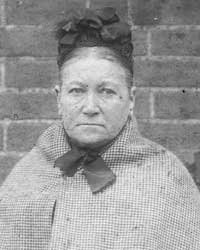

On a sweltering morning in August 1892, the violent hatchet slaughter of wealthy textile and real estate investor Andrew Borden and his wife Abby inside their Fall River, Massachusetts home ignited the most sensational courtroom spectacle of the Victorian era. The Lizzie Borden Fall River axe murders entered global folklore through popular rhyme and cultural obsession. Yet beneath the myth lies a complex forensic case study in late-19th-century crime scene preservation, early gastric digestive forensics, circumstantial evidence interpretation, and the social biases of Victorian jurisprudence.
Executive Case Factsheet
- Victim(s): Andrew Jackson Borden (69, wealthy banker) and Abby Durfee Borden (64, stepmother)
- Date of Incident: August 4, 1892
- Primary Crime Scene / Location: Borden Residence, 92 Second Street, Fall River, Bristol County, Massachusetts
- Lead Investigating Jurisdictions: Fall River Police Department, Bristol County District Attorney Hosea M. Knowlton
- Key Forensic Evidence: Forensic stomach content digestion analysis (establishing Abby died 1.5 hours before Andrew), handleless hatchet head found in basement ashes, burned blue dress in kitchen stove, prussic acid pharmacy inquiries
- Suspect(s) / Perpetrator(s): Lizzie Andrew Borden (daughter and stepdaughter)
- Legal Outcome & Status: Acquitted of all charges by a Bristol County jury in June 1893; officially unsolved double homicide
The Bloodbath on Second Street: August 4, 1892
At approximately 11:10 a.m. on Thursday, August 4, 1892, thirty-two-year-old Sunday school teacher Lizzie Borden called out in distress to the family’s Irish domestic maid, Bridget Sullivan: ‘Maggie, come down quick! Father’s dead! Somebody came in and killed him!’ Sullivan rushed downstairs to find seventy-year-old Andrew Borden lying on the sitting room sofa, his face mutilated beyond recognition by multiple heavy hatchet blows delivered as he rested.
Neighbors and Fall River police officers arrived within minutes. While searchers attended to Andrew, neighbor Adelaide Churchill and maid Bridget Sullivan went upstairs to check on sixty-four-year-old Abby Borden. In the second-floor guest bedroom, they discovered Abby lying face down in a pool of congealed, darkened blood between the bed and dressing table, her cranium crushed by nineteen hatchet strikes.
Fall River City Marshal Rufus Hilliard and local medical examiner Dr. William Dolan noted that the home had been locked from the inside with spring bolts and deadbolts, with no sign of forced entry or ransacked valuables. Large sums of cash and gold jewelry remained untouched in the master bedroom, eliminating robbery as a credible motive.
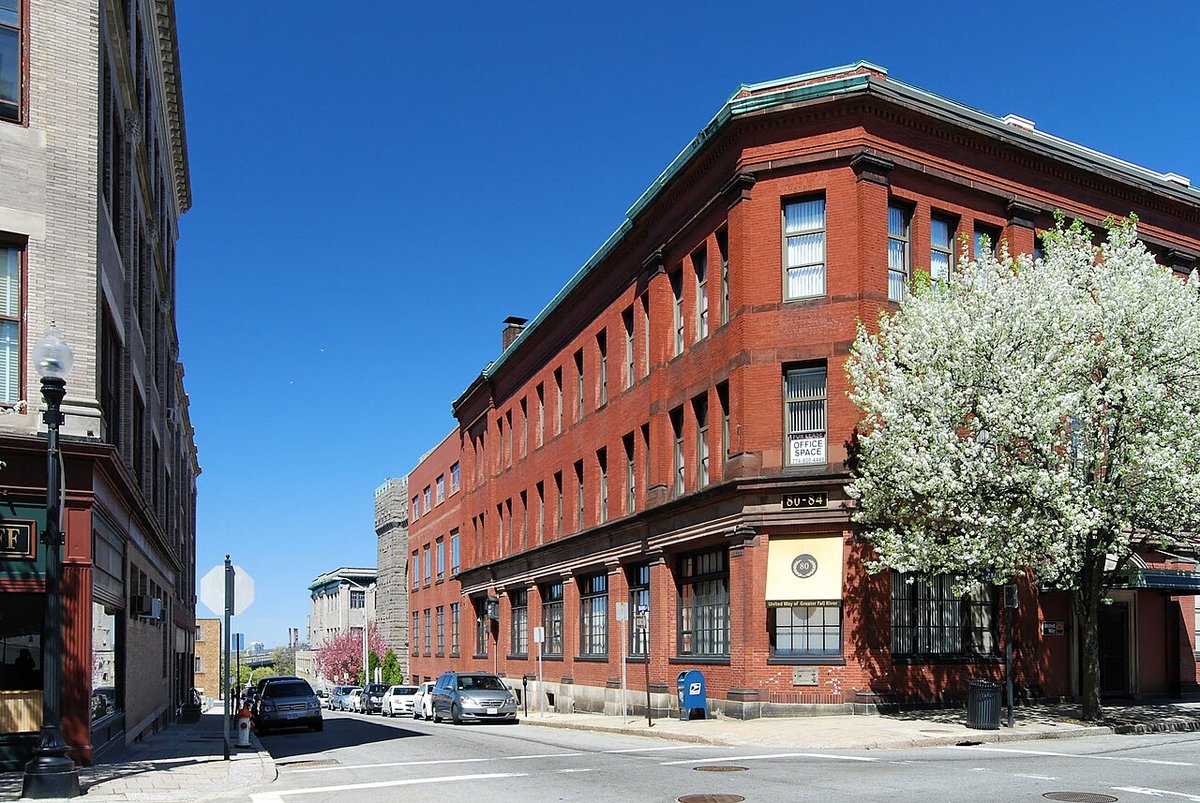
Forensic Autopsies and Gastric Digestion Science
Dr. William Dolan conducted forensic autopsies directly on the dining room table of the Borden residence. Using anatomical measurements, Dr. Dolan documented that Abby Borden sustained nineteen crushing blows to the rear of her skull, while Andrew Borden suffered eleven strikes that split his nose, crushed his left eye socket, and severed his jugular vein.
Dr. Dolan performed an early, pioneering analysis of gastric stomach contents. Autopsy examination revealed that Abby Borden’s stomach contained partially digested mutton and bread in an advanced state of breakdown, whereas Andrew Borden’s stomach contents were virtually undigested, having eaten breakfast hours later. From this physiological evidence, Dr. Dolan established that Abby had been murdered approximately ninety minutes before Andrew.
This ninety-minute time differential was disastrous for Lizzie Borden’s defense. Lizzie claimed she was inside the house ironing handkerchiefs and searching for lead sinkers in the barn loft during the entire morning. The state argued it was physically impossible for an external intruder to murder Abby upstairs at 9:30 a.m., remain hidden in the small house for an hour and a half, execute Andrew downstairs at 11:00 a.m., and escape without being seen by Lizzie or the maid.

The Handleless Hatchet, Burned Dress, and Prussic Acid
In the basement furnace room, police criminalists discovered a hatchet head whose wooden handle had been recently snapped off near the eyelet and coated in gray wood ashes to simulate age. Forensic chemical testing by Harvard chemistry professor Dr. Edward Wood revealed no traces of blood on the blade, though modern experts note that washing and ash coating would have eradicated 1892 hemoglobin reagents.
Crucially, three days after the murders, family friend Alice Russell witnessed Lizzie tearing apart a blue Bedford cord dress in the kitchen and burning it inside the wood stove. When questioned by Russell, Lizzie claimed the dress was soiled with brown paint. The prosecution maintained the dress was the blood-spattered garment worn during the killings.
Furthermore, local pharmacist Eli Bence testified at the coroner’s inquest that on August 3—the day before the murders—Lizzie Borden entered his drugstore on South Main Street attempting to purchase ten cents worth of prussic acid (hydrogen cyanide), claiming she needed it to clean a sealskin cloak. Bence refused the sale because she lacked a physician’s prescription.
The Inquest Inconsistencies and the 1893 Bristol County Trial
During the closed judicial inquest held by Judge Josiah Blaisdell, Lizzie provided evasive, contradictory testimony regarding her movements, clothing, and the whereabouts of her father. On August 11, 1892, Lizzie was arrested and indicted by a Bristol County grand jury on three counts of murder.
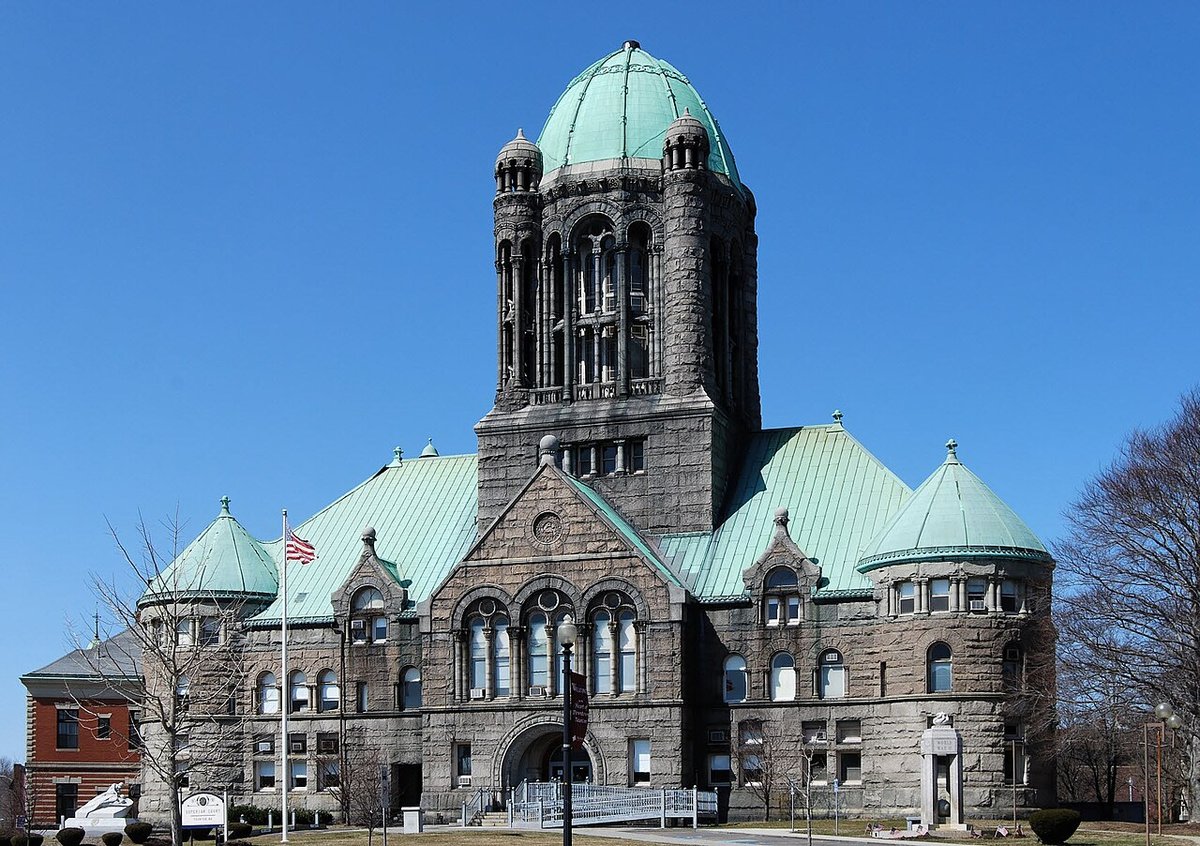
The trial commenced in June 1893 at the Bristol County Superior Court in New Bedford before a panel of three judges: Chief Justice Albert Mason, Justice Caleb Blodgett, and Justice Justin Dewey. Lead prosecutor Hosea M. Knowlton and former Massachusetts Governor George D. Robinson (representing Lizzie) waged a fierce legal battle.
In two decisive pre-trial rulings that crippled the state’s case, the three-judge panel excluded Lizzie’s contradictory inquest testimony on the grounds that she had been interrogated while effectively under custody without counsel, and excluded pharmacist Eli Bence’s testimony regarding prussic acid as irrelevant and prejudicial. Robinson emphasized Lizzie’s pristine social standing as a devoted Christian daughter, arguing to the all-male Victorian jury that a respectable woman of wealth could not possess the physical strength and moral depravity to hack her parents to death.
The Acquittal, Maplecroft & Enduring Criminological Legacy
On June 20, 1893, after only sixty-six minutes of deliberation, the jury returned a verdict of Not Guilty on all counts, prompting jubilant cheers from Victorian spectators in the courtroom.
Following her acquittal, Lizzie and her sister Emma inherited Andrew Borden’s substantial $300,000 estate (equivalent to nearly $10 million today), purchasing a luxurious Victorian mansion named ‘Maplecroft’ in Fall River’s elite neighborhood. Ostracized by Fall River high society, Lizzie lived a quiet, secluded life until her death from pneumonia in June 1927 at age sixty-six.
The Lizzie Borden case remains an immortal landmark in historical true crime. The original house at 92 Second Street is preserved today as an operational bed and breakfast and museum, while legal scholars study the 1893 trial as the quintessential historical demonstration of how gender stereotypes and Victorian social class biases influenced judicial evidentiary rulings and jury decision-making.
Modern forensic pathologists who have re-examined the 1892 autopsy reports and skull photographs point to critical physical anomalies that were overlooked during the original Victorian inquest. The angle and force of the nineteen blows inflicted upon Abby Borden indicate a right-handed assailant striking from behind with tremendous downward momentum, whereas Andrew Borden was struck eleven times while sleeping on a sofa. The absence of defensive wounds on either victim strongly suggests an element of complete surprise and emotional intimacy with the killer. The failure of 19th-century investigators to perform blood spatter reconstruction or chemical reagent testing on Lizzie’s garments ensured that the case remains America’s most enduring unsolved historical mystery.
Chronological Case Timeline
| Date / Milestone | Investigative Development | Forensic / Evidentiary Significance |
|---|---|---|
| August 4, 1892 (09:30) | Abby Borden murdered in guest room | Gastric digestion establishes time of death 90 minutes before Andrew |
| August 4, 1892 (11:10) | Andrew Borden discovered bludgeoned | Lizzie raises alarm; police secure locked house |
| August 7, 1892 | Lizzie burns blue dress in kitchen stove | Witness Alice Russell sees destruction of potential blood evidence |
| August 11, 1892 | Lizzie arrested following inquest | Inquest statements show contradictions; grand jury indicts |
| June 5, 1893 | Trial begins in New Bedford, MA | Judges exclude inquest testimony and prussic acid pharmacist witness |
| June 20, 1893 | Jury acquits Lizzie Borden in 66 minutes | Delivers Not Guilty verdict; Lizzie inherits estate and buys Maplecroft |
Frequently Asked Questions: Forensic & Legal Review
What forensic evidence proved Abby Borden died before Andrew Borden?
Dr. William Dolan analyzed the stomach contents during autopsies. Abby’s stomach contained fully digested food, while Andrew’s stomach contained fresh, undigested breakfast, proving Abby was murdered approximately ninety minutes before Andrew.
Why was Lizzie Borden acquitted in 1893?
The three-judge panel excluded key prosecution evidence—including Lizzie’s contradictory inquest testimony and her attempt to purchase prussic acid. Defense attorney George Robinson capitalized on Victorian gender biases, convincing the all-male jury that a respectable churchgoing woman was incapable of such brutality.
What was the ‘handleless hatchet’ found in the basement?
Fall River police recovered a hatchet head in the basement with its wooden handle freshly broken off and covered in ashes to simulate age. Prosecutors argued Lizzie broke the bloody handle and burned it in the kitchen stove to destroy blood evidence.
What happened to Lizzie Borden after the trial?
Lizzie inherited her father’s multi-million-dollar estate, purchased a grand mansion named Maplecroft in Fall River, changed her name to Lizbeth Borden, and lived a reclusive life until her death in 1927 at age sixty-six.