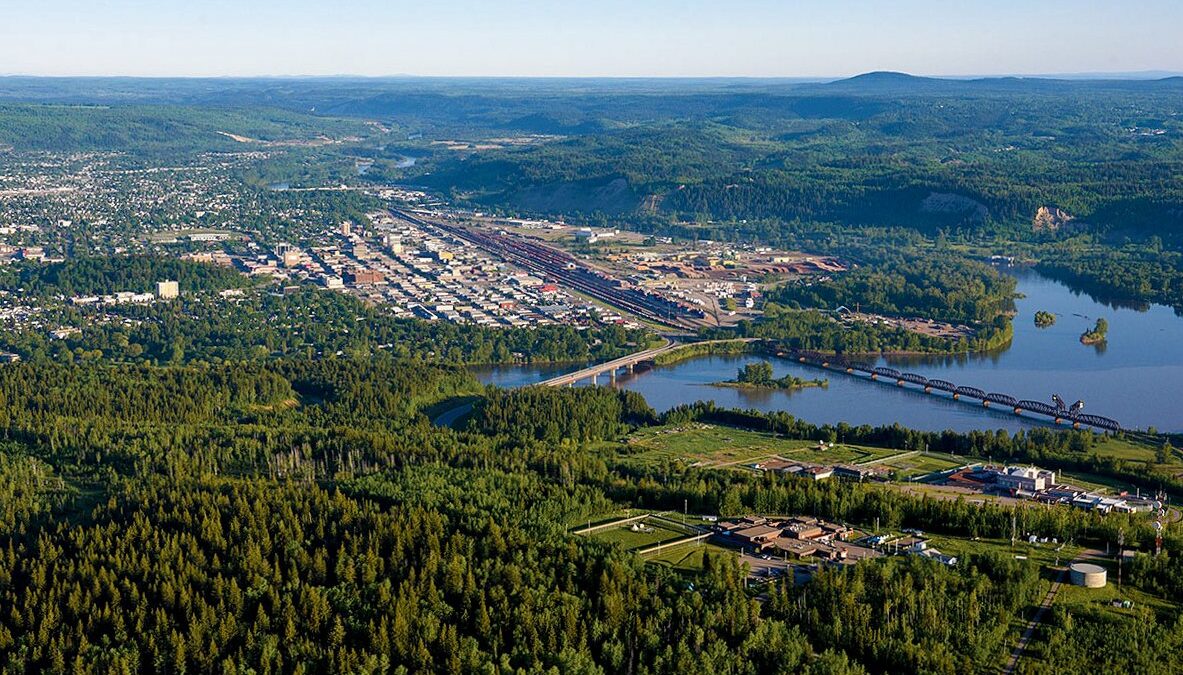
Stretching 725 kilometers across the rugged northern interior of British Columbia between Prince George and Prince Rupert, Yellowhead Highway 16 represents one of the most tragic and haunting geographical corridors of violence in the world. Known globally as the Highway of Tears British Columbia investigation, this desolate highway through dense boreal forest and isolated First Nations communities has seen dozens of young women—disproportionately Indigenous—vanish without a trace or be found murdered over five decades. The crisis prompted the formation of the RCMP’s Project E-PANA task force, landmark genomic DNA breakthroughs, and a national inquiry into systemic justice failures.
Executive Case Factsheet
- Victim(s): Official RCMP Project E-PANA criteria includes 18 victims (13 missing, 5 murdered); Indigenous community organizations estimate over 40+ missing and murdered women and girls
- Date of Incident: 1969 – Present (concentrated surge 1989–2011)
- Primary Crime Scene / Location: Yellowhead Highway 16 corridor (725 km between Prince George and Prince Rupert), British Columbia, Canada
- Lead Investigating Jurisdictions: Royal Canadian Mounted Police (RCMP), E-Division Major Crime Section, British Columbia Coroners Service
- Key Forensic Evidence: Forensic DNA linkage in Colleen MacMillen case (linked to Oregon convict Bobby Jack Fowler in 2012), cellular GPS triangulation in Madison Scott case, vehicle tire impressions, serial killer cross-matching (Cody Legebokoff, Garry Taylor Handlen)
- Suspect(s) / Perpetrator(s): Multiple opportunistic predators and serial killers (Bobby Jack Fowler, Cody Legebokoff, Garry Taylor Handlen, Brian Peter Arp); dozens of cases unsolved
- Legal Outcome & Status: Ongoing multi-jurisdictional cold case homicide and missing person investigation
The Geography of Vulnerability and Early Disappearances
The 725-kilometer stretch of Highway 16 winds through remote, mountainous terrain connecting small, economically marginalized communities including Burns Lake, Houston, Smithers, Terrace, and Prince Rupert. For decades, the corridor suffered from a severe absence of reliable public transit, forcing young women, students, and low-income residents to rely on hitchhiking as their sole means of transportation to access schools, medical appointments, and employment.
The tragic pattern began as early as October 1969, when twenty-six-year-old Gloria Moody vanished after leaving a bar in Williams Lake; her body was discovered the following day in a wooded clearing. In August 1974, sixteen-year-old Colleen MacMillen vanished while hitchhiking from Lac La Hache to visit a friend; her remains were discovered a month later along a logging road off Highway 97.
Over the 1980s and 1990s, the disappearances escalated dramatically across the northern interior. Victims included Alberta Williams (1989), Delphine Nikal (1990), Ramona Wilson (1994), Roxanne Thiara (1994), and Lana Derrick (1995). Despite recurring similarities in victim demographics, temporal patterns, and body recovery locations in remote logging roads, initial RCMP investigations treated each case as an isolated local occurrence, lacking centralized computerized tracking.
Advocacy groups and Indigenous family organizations highlighted the profound systemic disparity in investigative urgency and media coverage between Indigenous victims and Caucasian victims, such as Nicole Hoar, a twenty-five-year-old tree planter from Ontario who vanished while hitchhiking along Highway 16 in June 2002. Hoar’s disappearance triggered an unprecedented multi-million-dollar search operation involving hundreds of tactical officers and search helicopters, galvanizing Indigenous communities to demand equal investigative resources for all missing women.
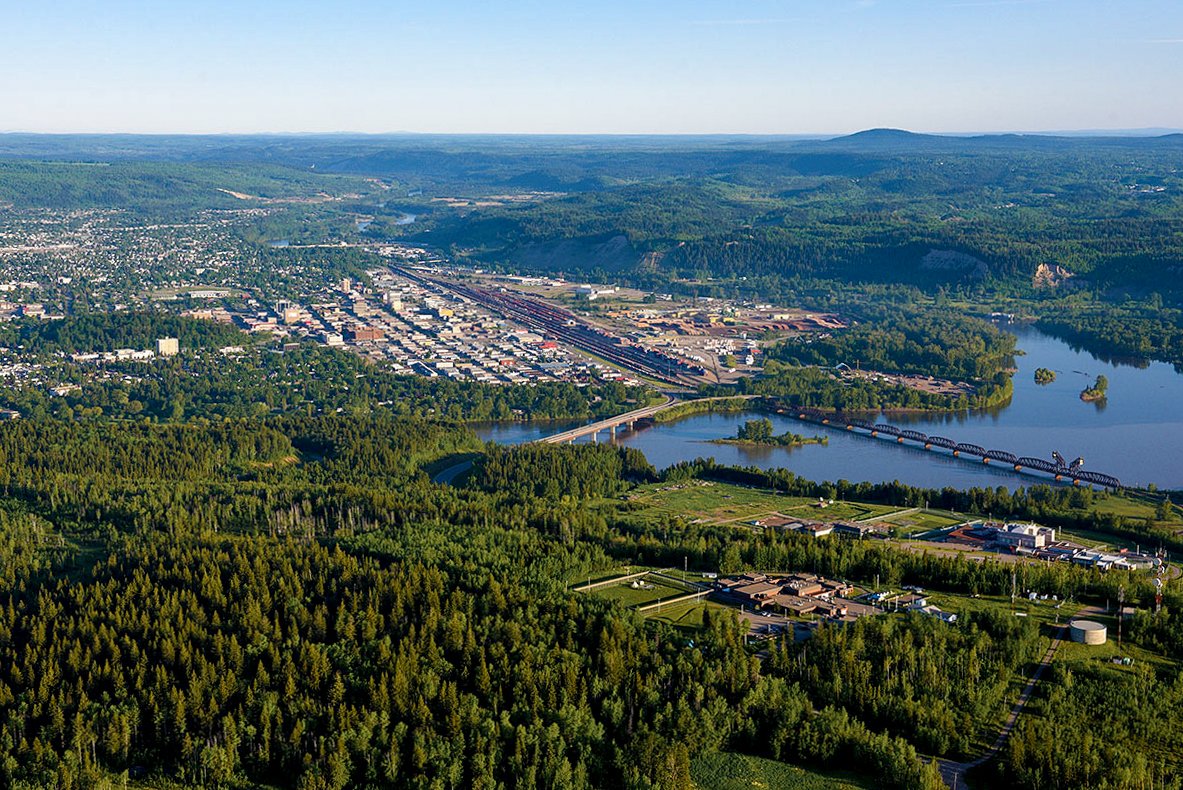
The 2005 Formation of RCMP Project E-PANA
In late 2005, following sustained advocacy by Indigenous leaders and the Carrier Sekani Tribal Council, the Royal Canadian Mounted Police (RCMP) established Project E-PANA—a centralized major crime task force headquartered in Surrey and Prince George dedicated specifically to investigating the unsolved homicides and disappearances along Highways 16, 97, and 5.
Project E-PANA established strict geographic and behavioral criteria for inclusion in its primary case matrix: victims had to be female, engaged in hitchhiking or high-risk transit activity, last seen within one mile of designated highway corridors, and have vanished between 1969 and 2006. The official E-PANA list grew to eighteen specific files (fourteen homicides and four active missing person cases), although Indigenous community organizations documented over forty cases.
E-PANA investigators digitized hundreds of thousands of historical police log books, cross-referenced transient truck driver logs, executed ground-penetrating radar sweeps of historic gravel pits, and uploaded physical evidence to international forensic DNA databases.
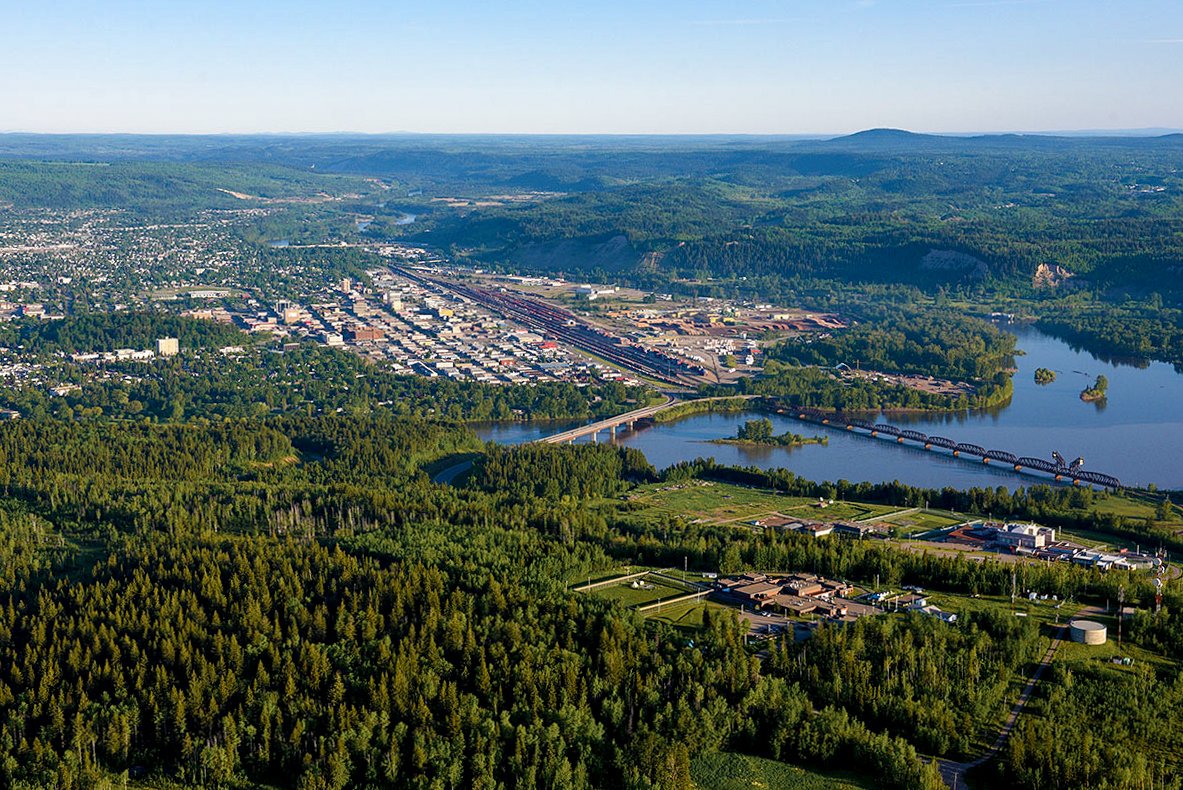
Forensic DNA Breakthroughs: Bobby Jack Fowler and Colleen MacMillen
In 2012, Project E-PANA achieved a historic forensic milestone through advanced STR DNA technology. In 1974, investigators had preserved minute biological DNA traces from Colleen MacMillen’s clothing. In 2012, RCMP forensic scientists at the National DNA Data Bank sent the samples to specialized genetic labs in the United States, utilizing enhanced extraction techniques for degraded samples.
The resulting DNA profile yielded an exact international match in the FBI’s CODIS database to Bobby Jack Fowler, a violent American career criminal and transient construction worker who had died of cancer in an Oregon prison in 2006 while serving a sentence for attempted rape and kidnapping. Fowler had worked for a Prince George roofing company in 1974, exactly matching the geographic and temporal timeline of MacMillen’s murder.
Investigators also strongly suspected Fowler in the 1973 murders of nineteen-year-olds Gale Weys and Pamela Darlington, who were found murdered along Highway 5 after hitchhiking in Clearwater and Kamloops, marking the first definitive proof that roving transnational serial predators utilized the remote highway system as an anonymous hunting ground.
The Apprehension of Cody Legebokoff and Madison Scott Recovery
The multi-predator reality of the Highway 16 corridor was further underscored in November 2010 when an RCMP patrol officer conducted a routine midnight traffic stop on Highway 27 near Fort St. James. Twenty-year-old Cody Legebokoff was pulled over for speeding in a Ford truck. Officers observed fresh blood on his clothing and a pool of blood in his vehicle, subsequently discovering the body of fifteen-year-old Loren Leslie in a nearby logging road.
Comprehensive forensic investigation by the North District Major Crime Unit linked Legebokoff through DNA, ballistics, and vehicle telematics to the brutal murders of three additional women in Prince George: Jill Stuchenko, Natasha Montgomery, and Cynthia Maas. In September 2014, Legebokoff was convicted of four counts of first-degree murder, becoming one of Canada’s youngest convicted serial killers.
In May 2023, another prominent Highway 16 mystery saw significant closure when the remains of twenty-year-old Madison ‘Maddy’ Scott, who vanished from an outdoor party at Hogsback Lake near Vanderhoof in May 2011, were identified on a rural property in Vanderhoof, twelve years after her disappearance, re-energizing active homicide investigations in the central interior.
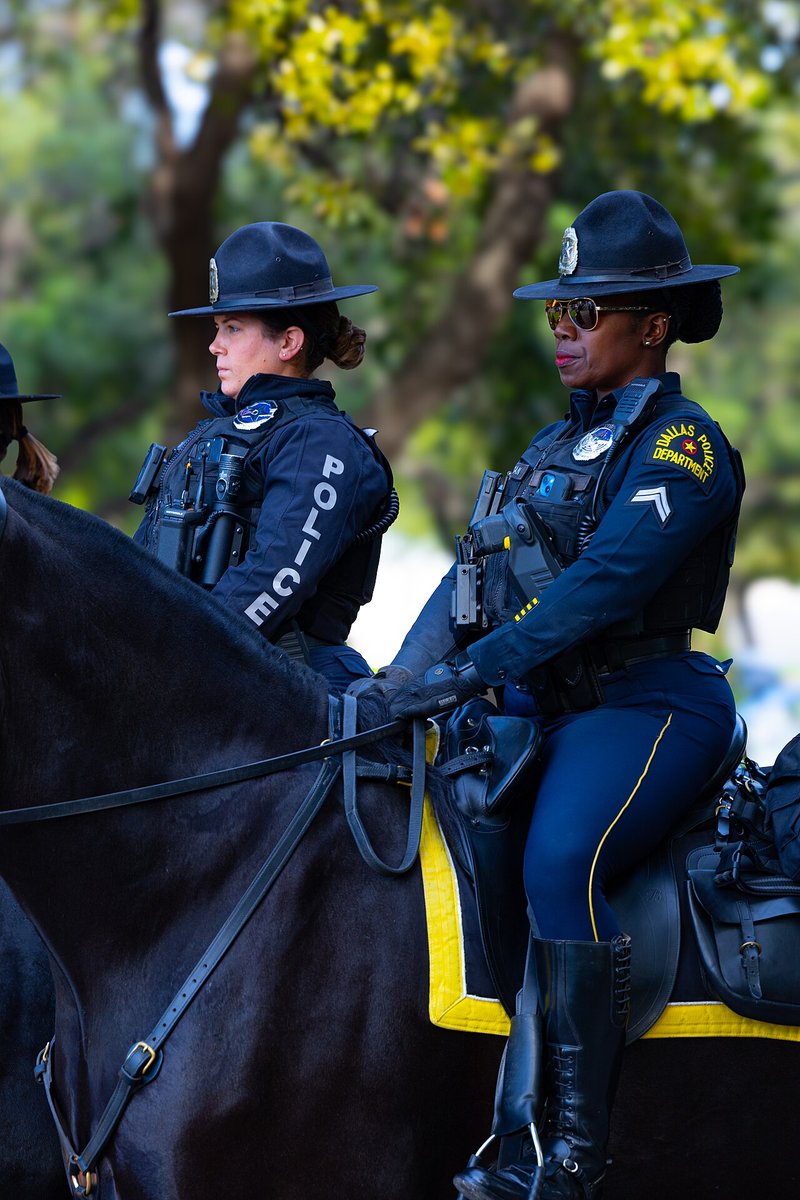
The MMIWG National Inquiry, Public Transit & Structural Reforms
The decades-long tragedy along Highway 16 served as a primary catalyst for the landmark National Inquiry into Missing and Murdered Indigenous Women and Girls (MMIWG), which delivered its 1,200-page final report in June 2019, characterizing the widespread disappearances across Canada as a systemic human rights crisis rooted in colonial policies, socioeconomic marginalization, and institutional policing neglect.
Direct policy interventions resulting from Highway of Tears advocacy include the 2017 launch of the BC Northern Public Bus Service (BC Bus North), providing safe, subsidized inter-city public transportation connecting Prince George, Prince Rupert, and remote First Nations reserves along Highway 16 to eliminate the dangerous necessity of hitchhiking.
The Highway of Tears remains an enduring, solemn priority for Canadian major crime investigators and forensic scientists, driving ongoing innovations in familial genetic genealogy, expanded digital missing persons response networks, and dedicated Indigenous community liaison policing units across British Columbia.
Chronological Case Timeline
| Date / Milestone | Investigative Development | Forensic / Evidentiary Significance |
|---|---|---|
| October 1969 | Gloria Moody found murdered | Earliest officially documented homicide along the Highway 16 corridor |
| August 1974 | Colleen MacMillen vanishes near Lac La Hache | Clothing preserved; leads to historic DNA match 38 years later |
| Autumn 2005 | RCMP establishes Project E-PANA Task Force | Centralizes 18 official highway homicide and missing person files |
| November 2010 | Cody Legebokoff arrested on Highway 27 | Routine traffic stop leads to conviction of 4 counts of serial murder |
| September 2012 | RCMP matches Bobby Jack Fowler DNA to MacMillen | First definitive DNA link to American serial predator on Highway 16 |
| June 2019 | MMIWG National Inquiry delivers Final Report | Calls for sweeping structural reforms in Indigenous safety and transit |
| May 2023 | Madison Scott remains identified in Vanderhoof | Forensic recovery after 12 years reopens active homicide probe |
Frequently Asked Questions: Forensic & Legal Review
What is the Highway of Tears and where is it located?
The Highway of Tears refers to a 725-kilometer (450-mile) stretch of Yellowhead Highway 16 between Prince George and Prince Rupert in British Columbia, Canada, where dozens of women and girls have vanished or been murdered since 1969.
What was RCMP Project E-PANA?
Project E-PANA was a specialized major crime task force created by the Royal Canadian Mounted Police in 2005 to investigate unsolved homicides and disappearances along Highways 16, 97, and 5 involving female hitchhikers.
How was Bobby Jack Fowler linked to the Highway of Tears?
In 2012, advanced DNA extraction on preserved clothing from 1974 victim Colleen MacMillen produced a profile that matched American violent offender Bobby Jack Fowler in the FBI CODIS database, proving his presence in BC during the murders.
What major public safety change was implemented along Highway 16?
In 2017, the British Columbia provincial government launched ‘BC Bus North’, an affordable, scheduled public transit bus route connecting rural First Nations communities and towns along Highway 16 to eliminate the reliance on hitchhiking.