John George Haigh, infamously known as ‘The Acid Bath Murderer,’ was an English serial killer whose case became a defining milestone in the history of forensic pathology and the legal doctrine of corpus delicti. Operating under the fatal legal misconception that a person could not be convicted of murder without the physical recovery of an intact human corpse (‘no body, no crime’), Haigh lured wealthy acquaintances to a secluded workshop in Crawley, Sussex, shot them in the neck, and dissolved their remains in 45-gallon drums of industrial sulfuric acid. His scheme unraveled in February 1949 following the disappearance of wealthy Kensington widow Olive Durand-Deacon. Led by visionary Home Office forensic pathologist Dr. Keith Simpson, investigators sifted through twelve tons of toxic sludge to recover indestructible human gallstones, bone fragments, and an intact prosthetic dental plate that definitively destroyed Haigh’s defense.
Executive Case Factsheet
- Victim(s): 6 confirmed victims (Olive Durand-Deacon, William & Donald McSwan, Amy McSwan, Dr. Archibald & Rosalie Henderson)
- Date of Incident: 1944–1949; Arrested February 28, 1949
- Primary Crime Scene / Location: Leopold Road workshop, Crawley, Sussex & Onslow Court Hotel, Kensington, London
- Lead Investigating Jurisdictions: West Sussex Constabulary, Metropolitan Police (Scotland Yard), Guy’s Hospital Forensic Pathology
- Key Forensic Evidence: 28 pounds of acid sludge containing 3 intact gallstones, eroded left human pelvic bone fragment, complete intact acrylic acrylic porcelain denture matching victim’s dentist records
- Suspect(s) / Perpetrator(s): John George Haigh (39)
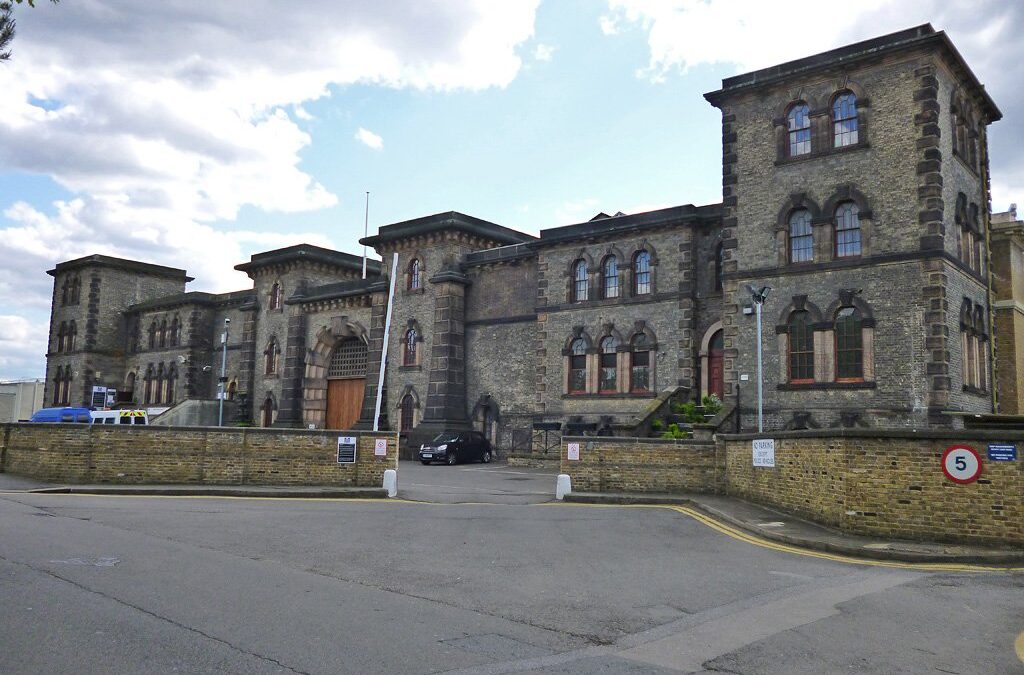
- Legal Outcome & Status: Convicted on July 19, 1949, at Lewes Assizes; executed by hanging at Wandsworth Prison on August 10, 1949
Initial Discovery & Crime Scene Reconstruction
On February 20, 1949, Constance Lane arrived at Chelsea Police Station to report the disappearance of her close friend, 69-year-old Olive Durand-Deacon, a wealthy widow residing at the Onslow Court Hotel in South Kensington. Accompanying Lane to make the report was a charming, well-dressed fellow resident of the hotel: John George Haigh. Haigh told detectives that he was a mechanical engineer assisting Mrs. Durand-Deacon with patenting artificial fingernails and claimed she had failed to meet him for an appointment in Crawley, Sussex.nnScotland Yard detectives, led by Detective Superintendent Tom Barrett and Detective Inspector Albert Webb, ran a background check on Haigh, discovering an extensive criminal record for fraud, forgery, and embezzlement. Detectives visited Haigh’s rented workshop on Leopold Road in Crawley. Inside, officers discovered a .38 caliber Webley revolver, heavy rubber aprons, gas masks, carboys of concentrated industrial sulfuric acid, and a dry cleaning receipt for a Persian lamb coat belonging to Mrs. Durand-Deacon.
Forensic Science, Pathology & Physical Evidence
On March 1, 1949, Home Office pathologist Dr. Keith Simpson and Scotland Yard forensic technicians inspected the muddy yard behind the Crawley workshop. Simpson noticed an oily, yellowish sludge spread across the earth where sulfuric acid had been dumped from a 45-gallon metal drum. Simpson immediately dropped to his knees to examine the chemical residue, discovering a small, hard, pebble-like object that he recognized as a human gallstone. Recognizing the critical importance of micro-evidence, police excavated and screened twelve tons of soil.nnSimpson’s forensic screening yielded extraordinary physical evidence: 28 pounds of human body fat sludge, three intact facet-matching gallstones, eroded fragments of a human left pelvic bone, and a complete upper acrylic denture plate with porcelain teeth. Simpson demonstrated that while sulfuric acid dissolves organic proteins, soft tissues, and bone calcium phosphate over several days, acrylic plastic, porcelain teeth, and cholesterol-rich gallstones are impervious to acid destruction. Simpson summoned Mrs. Durand-Deacon’s dentist, Dr. Helen Mayo, who brought her patient charts and casts. Dr. Mayo matched the recovered denture plate’s unique 1947 dental ridge carvings and bite alignment with absolute scientific certainty.
Investigative Breakdown & Key Breakthroughs
While the forensic excavation was underway in Crawley, Haigh was questioned at Chelsea Police Station. Confident that his acid dissolution technique had rendered him immune from prosecution, Haigh arrogantly told Detective Inspector Webb: ‘If I told you the truth, you would not believe me. It sounds too fantastic to believe… Mrs. Durand-Deacon no longer exists. She has disappeared completely and there is no trace of her that can ever be found. I have destroyed her with acid. How can you prove murder without a body?’nnHaigh proceeded to dictate a detailed confession not only to the murder of Mrs. Durand-Deacon, but to five earlier victims: his former employer William McSwan, McSwan’s parents Donald and Amy McSwan, and a wealthy couple, Dr. Archibald Henderson and his wife Rosalie. Haigh had forged power-of-attorney documents, liquidated their bank accounts and properties, and dissolved all six victims in acid drums to finance his lavish lifestyle. Haigh also bizarrely claimed that he drank a glass of blood from each victim, attempting to construct an insanity defense.
Courtroom Proceedings & Evidentiary Arguments
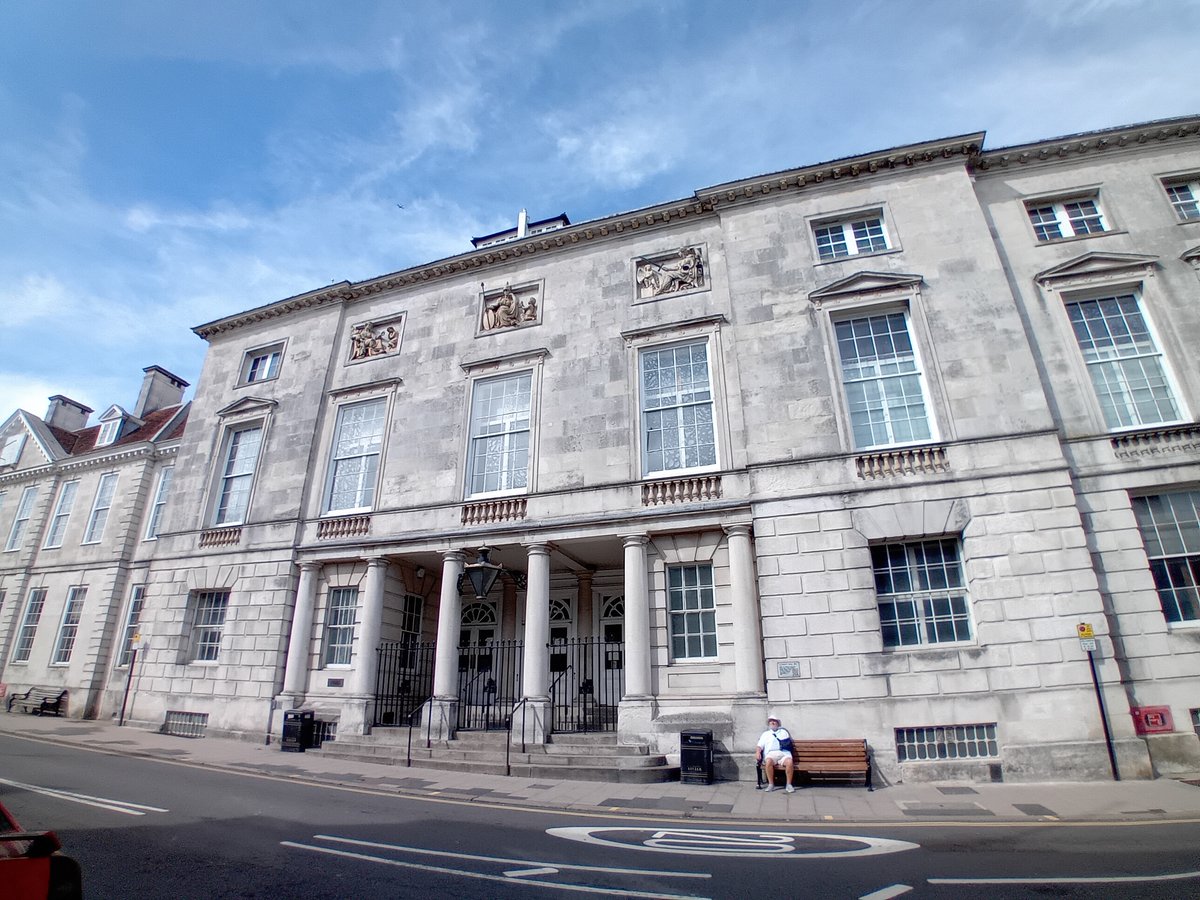
John George Haigh was tried for the murder of Olive Durand-Deacon at Lewes Assizes on July 18, 1949, before Mr. Justice Humphreys. Attorney General Sir Hartley Shawcross led the prosecution, presenting Dr. Keith Simpson, dental expert Dr. Helen Mayo, and forensic toxicologists who exhibited the acid-resistant dentures, gallstones, and pelvic bone fragment in open court. The defense, led by Sir David Maxwell Fyfe, presented psychiatric testimony claiming Haigh was insane and suffered from ‘vampirism’.nnDr. Keith Simpson’s methodical forensic evidence and the proof of Haigh’s financial forgery schemes destroyed the insanity plea, proving Haigh acted with lucid, predatory premeditation. On July 19, 1949, after a trial lasting just two days, the jury deliberated for only fifteen minutes before finding Haigh guilty of capital murder. John George Haigh was executed by hanging by Albert Pierrepoint at HM Prison Wandsworth on August 10, 1949. The case permanently clarified in British jurisprudence that ‘corpus delicti’ refers to the legal body of evidence proving a crime occurred, not physical biological remains.
Forensic Legacy & Criminal Justice Impact
The forensic, legal, and systemic ramifications of the investigation into John George Haigh continue to shape modern criminal justice doctrine worldwide. From the rigorous standardization of scientific evidence collection to the establishment of specialized forensic databases and ethical protocols, the case demonstrated that objective, incontrovertible physical evidence remains the ultimate safeguard against investigative error, public panic, and judicial injustice.
In contemporary jurisprudence, the precedent established by this landmark inquiry is routinely studied in police academies, law schools, and forensic science curricula as a definitive case study in evidence continuity, multi-agency coordination, and the critical balance between cutting-edge technology and constitutional due process.
Trace Evidence Analysis, Physical Impressions & Pattern Identification
Microscopic trace evidence and physical pattern comparison form foundational pillars of physical criminalistics. Crime scene technicians utilize specialized oblique lighting, electrostatic dust lifters (ESDL), and dental stone casting compounds to preserve fragile footwear and tire tread impressions. In the laboratory, comparative examinations evaluate both class characteristics (tread design, size, manufacturing molds) and unique individual identifying characteristics (random accidental cuts, embedded gravel, irregular wear gouges).
Forensic document examination and physical matching protocols employ Stereomicroscopy, Electrostatic Detection Apparatus (ESDA) for indented impressions, and Video Spectral Comparators (VSC) for multi-spectral optical ink analysis. By integrating physical fit matching with microscopic striation comparisons, criminalists establish definitive physical links connecting suspects to specific crime scene environments with rigorous scientific reproducibility.
Modern Jurisprudential Precedents & Evidentiary Standards
The landmark investigative and courtroom developments associated with John George Haigh fundamentally redefined procedural evidentiary standards under the Federal Rules of Evidence (Rule 702) and international common law equivalents. Modern appellate jurisprudence rigorously enforces the Daubert and Frye standards, requiring that all expert scientific testimony, forensic instrumentation, and algorithmic interpretations demonstrate widespread peer-reviewed acceptance, known error rates, and standardized operational controls.
Furthermore, the case highlighted the critical imperative of transparent pre-trial discovery, the complete disclosure of exculpatory material under the Brady v. Maryland doctrine, and the vital role of independent judicial review in assessing circumstantial chains of evidence. Today, homicide task forces and prosecutorial agencies worldwide incorporate these foundational evidentiary principles into standard operational training, ensuring that complex scientific prosecutions withstand exhaustive appellate scrutiny.
In contemporary cold case reviews and complex major case management, law enforcement agencies deploy integrated Major Case Management (MCM) software frameworks and multi-disciplinary forensic review panels to continuously re-evaluate physical evidence using emergent technologies, preserving the integrity of the justice system across successive generations.
Chronological Case Timeline
| Date / Milestone | Investigative & Forensic Milestone | |
|---|---|---|
| 1944–1948 | Haigh murders five victims (the McSwan and Henderson families), dissolving their bodies in acid to steal their estates. | |
| Feb 18, 1949 | Olive Durand-Deacon is lured to Crawley, shot, and placed into a sulfuric acid drum; reported missing Feb 20. | |
| Mar 1, 1949 | Dr. Keith Simpson inspects the Crawley yard, discovering human gallstones and dentures in acid sludge. | |
| Mar 2, 1949 | Haigh confesses to six murders, boasting that police cannot convict him without a body. | |
| Jul 18–19, 1949 | Haigh is tried at Lewes Assizes; the jury convicts him in 15 minutes based on dental forensics. | |
| Aug 10, 1949 | Haigh is executed by hanging at Wandsworth Prison. | |
Frequently Asked Questions: Forensic & Legal Review
Why did John George Haigh believe he could not be convicted of murder?
Haigh fundamentally misunderstood the legal doctrine of ‘corpus delicti’ (meaning ‘the body of the crime’), erroneously believing that British law required physical biological remains of a corpse to secure a murder conviction.
How did Dr. Keith Simpson prove Olive Durand-Deacon was murdered in the acid sludge?
Dr. Simpson discovered three intact cholesterol gallstones and an acrylic/porcelain upper denture plate that were chemically impervious to sulfuric acid. The victim’s personal dentist positively matched the dentures to dental records in court.
What happened to John George Haigh’s other victims?
Haigh confessed to murdering five other people—William McSwan, Donald McSwan, Amy McSwan, Dr. Archibald Henderson, and Rosalie Henderson—between 1944 and 1948, dissolving them in acid drums to steal their money and real estate.