INVESTIGATIVE CASE DOSSIER: KEDDIE CABIN 28 MURDERS: THE 1981 PLUMAS COUNTY RESORT TRIPLE HOMICIDE & MISSING DAUGHTER MYSTERY
- Victims: Glenna Sue Sharp (36), John Sharp (15), Dana Wingate (17), Tina Sharp (12)
- Date of Murders: April 11 – 12, 1981
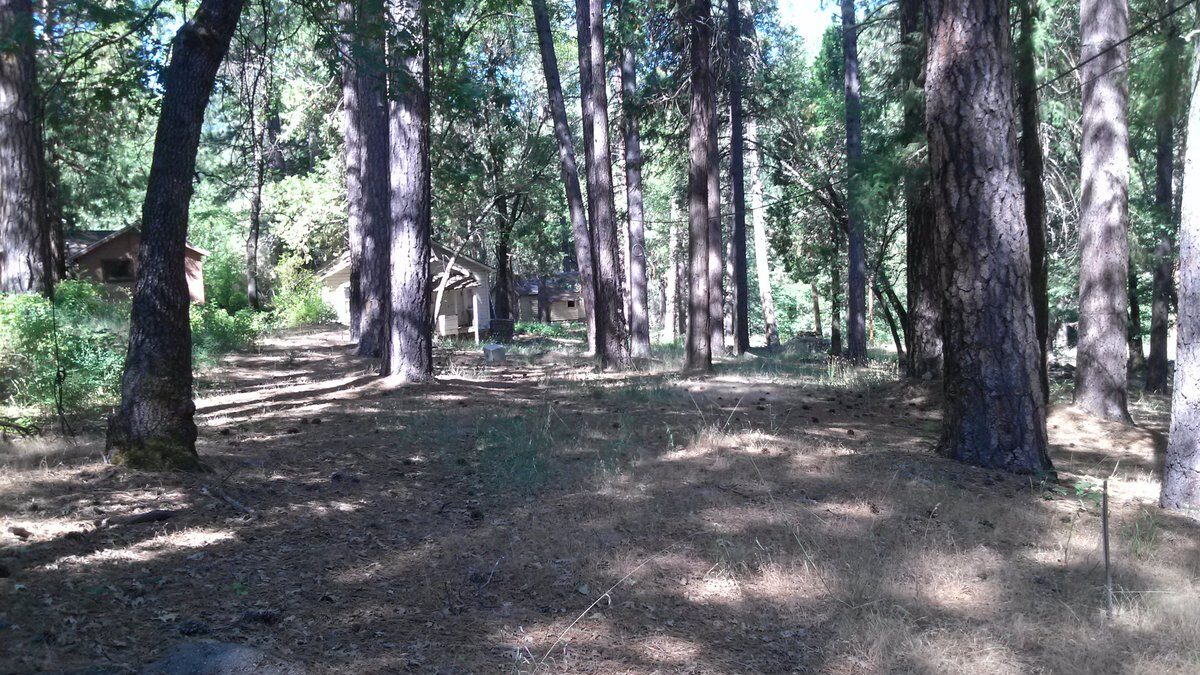
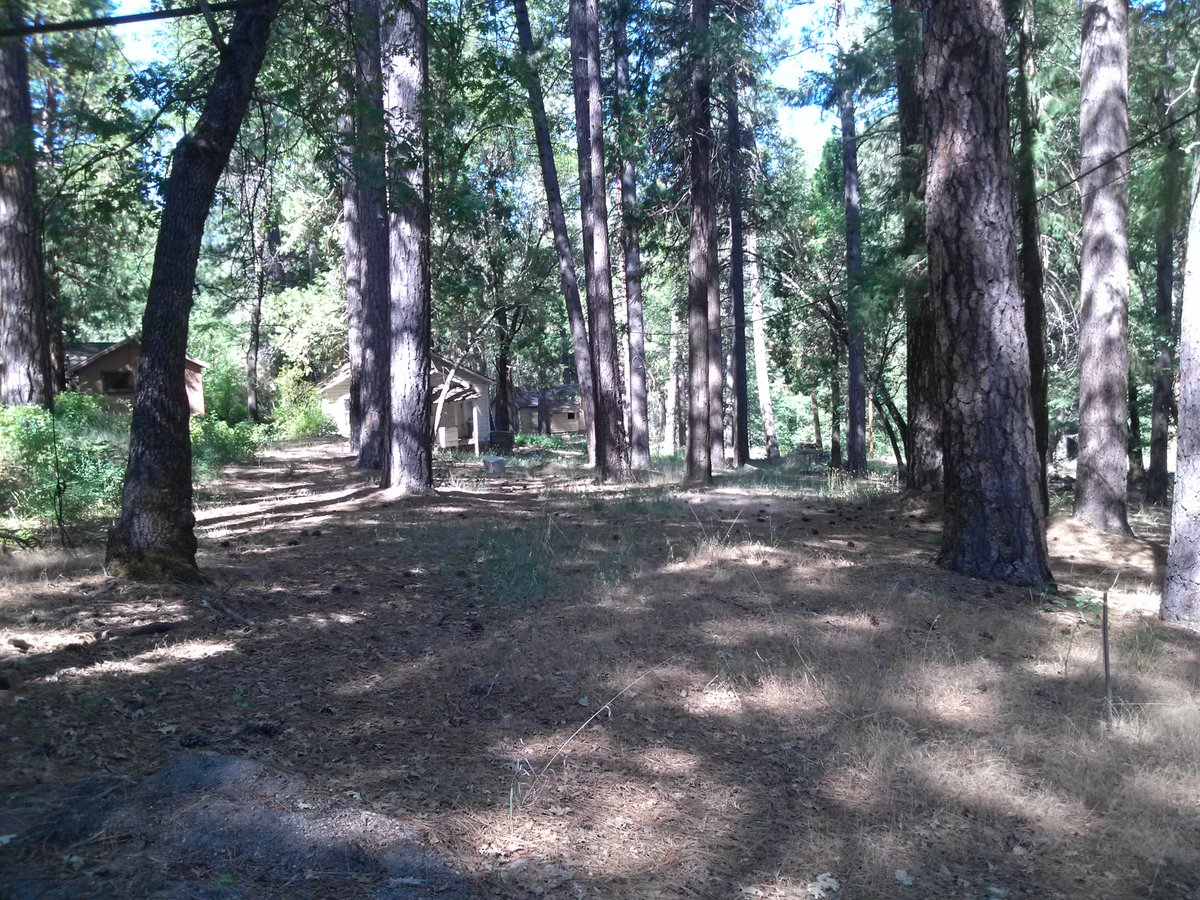
- Location: Cabin 28, Keddie Resort, Plumas County, California
- Tina Sharp Remains Found: April 22, 1984 (Camp Eighteen, Butte County, CA, 30 miles away)
- Investigating Agency: Plumas County Sheriff’s Office, California DOJ, FBI
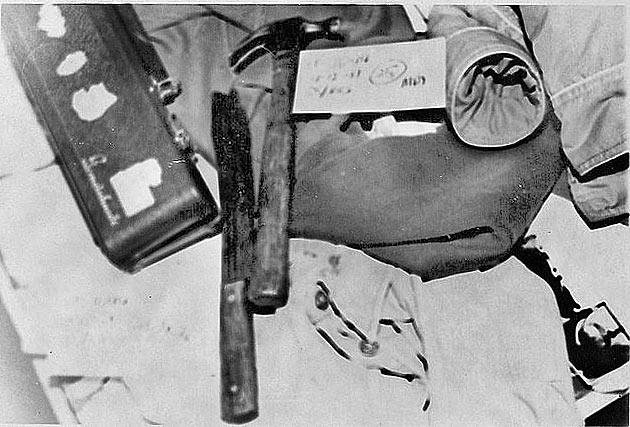
- Key Weapons: Claw hammer, steak knives, Daisy 880 BB gun, electrical wire and medical tape bindings
- 2016 Breakthrough: Recovery of second murder hammer from Spanish Creek and modern STR DNA matching
- Current Status: Active open quadruple homicide investigation with known living persons of interest
On the morning of Sunday, April 12, 1981, fourteen-year-old Sheila Sharp returned to her family’s rented home at Cabin 28 in the secluded railroad resort town of Keddie, California, after a sleepover next door. Opening the front door, she discovered a horrifying crime scene: her mother Glenna Sue Sharp, fifteen-year-old brother John Sharp, and John’s seventeen-year-old friend Dana Wingate lay bound with electrical wire and medical tape, brutally bludgeoned and stabbed to death in the living room. Her twelve-year-old sister, Tina Sharp, was missing from the cabin. Three years later, Tina’s skull was discovered thirty miles away in the Butte County wilderness. The Keddie Cabin 28 murders remain one of California’s most chilling multiple-homicide mysteries, transformed in recent years by the discovery of a submerged murder weapon and modern DNA profiling on preserved crime scene tape.
The Cabin 28 Massacre & The Morning Discovery
At approximately 7:45 AM on April 12, 1981, Sheila Sharp opened the front door of Cabin 28 to find the living room covered in blood. Glenna Sue Sharp (36), her son John (15), and John’s friend Dana Wingate (17) were bound hand and foot with electrical cords and medical tape. Autopsies revealed all three had suffered severe blunt force head trauma from a claw hammer and multiple stab wounds from heavy steak knives.
Remarkably, Sue’s two younger sons (aged 5 and 10) and their friend Justin Smartt were found asleep and unharmed in an adjacent bedroom. Tina Sharp (12) was nowhere in the house, initiating a multi-county search across the Plumas National Forest.
The 1984 Butte County Discovery & The Anonymous 911 Call
On April 22, 1984, an outdoor enthusiast near Camp Eighteen along Highway 162 in Butte County—thirty miles from Keddie—discovered a human cranium. Forensic dental analysis confirmed the skull belonged to twelve-year-old Tina Sharp.
Shortly after the discovery, an anonymous caller phoned the Butte County Sheriff’s 911 dispatch, stating with precise geographical accuracy that the skull found was Tina Sharp, before abruptly hanging up. The 911 audio recording was lost in police archives for decades before being digitized and re-analyzed in 2013.
The 2016 Hammer Recovery & Modern DNA Breakthrough
In 2013, Plumas County Sheriff Greg Hagwood appointed Special Investigator Mike Gamberg to reopen the cold case file. In April 2016, following an anonymous tip, Gamberg’s team used metal detectors to search a pond in Spanish Creek near Keddie, recovering a blue-handled claw hammer that matched the exact tool-mark impressions documented during the 1981 autopsies.
Furthermore, criminalists at the California Department of Justice Forensic Laboratory in Sacramento extracted male DNA from the medical tape used to bind the victims in Cabin 28. The profile matched a known person of interest who had lived in Keddie in 1981, providing the prosecution with actionable physical evidence.
Ongoing Prosecutorial Review & Modern Justice Pursuit
Special Investigator Mike Gamberg and the Plumas County District Attorney have identified multiple living individuals who participated in the planning, execution, or post-homicide cover-up of the Cabin 28 massacre.
The Keddie Cabin 28 investigation stands as an extraordinary example of how determined cold case detectives can uncover critical physical weapons and extract viable DNA thirty-five years after the original crime.
The Cabin 28 Massacre & The 2016 Hammer Recovery
The April 1981 murders of Glenna Sue Sharp, John Sharp, and Dana Wingate in Cabin 28 at the Keddie Resort in Plumas County, California, left behind a brutal crime scene of blunt force and sharp-force trauma. Twelve-year-old Tina Sharp was abducted from the cabin and her skull discovered three years later in Butte County.
In 2016, Special Investigator Mike Gamberg recovered the blue-handled claw hammer used in the murders from Spanish Creek. State crime lab criminalists extracted male DNA from the 1981 medical tape used to bind the victims, matching known living persons of interest.

Active Plumas County District Attorney Prosecution
Special Investigator Gamberg and the Plumas County District Attorney have compiled an extensive prosecution file connecting multiple suspects to the quadruple homicide.
The investigation demonstrates how tenacious cold case leadership can uncover critical murder weapons and extract viable DNA decades after the original tragedy.
Plumas County Sheriff & DOJ Physical Evidence Integration
The recovery of the blue-handled claw hammer from Spanish Creek in 2016 and the extraction of male DNA from the 1981 binding tape marked a decisive turning point in the Keddie Cabin 28 investigation. Special Investigator Mike Gamberg and state DOJ criminalists constructed an unassailable physical evidence chain connecting multiple suspects to the massacre.
The Plumas County District Attorney’s Office is conducting active case reviews to prepare formal grand jury presentations, ensuring that justice is finally delivered for the Sharp and Wingate families.
Criminological Impact on Rural Resort Homicide Investigation
The Keddie Cabin 28 investigation is studied in advanced homicide seminars as an example of how initial jurisdictional missteps can be overcome through tenacious, modern cold case leadership and retrospective forensic criminalistics.
Cabin 28 Scene Reconstruction, Multi-Weapon Overkill & The Plumas County Impasse
On the morning of April 12, 1981, fourteen-year-old Sheila Sharp walked into Cabin 28 at the Keddie Resort in Plumas County, California, and discovered a scene of unimaginable violence. Her mother, Glenna ‘Sue’ Sharp (36), her brother John (15), and John’s friend Dana Wingate (17) had been bound with medical tape and electrical wire, bludgeoned with claw hammers, and repeatedly stabbed with multiple knives. Twelve-year-old Tina Sharp was missing from the cabin, while three young boys sleeping in an adjacent bedroom were left unharmed.
Pathologists noted extreme overkill, indicating multiple assailants driven by personal vengeance or explosive sociopathic violence. The Plumas County Sheriff’s Office faced immediate criticism for failing to secure the perimeter and mismanaging critical early leads pointing to local suspects Martin Smartt and John Boubede.
The 1984 Butte County Remains Discovery & Modern Forensic Audio Analysis
In April 1984, an anonymous tip led to the discovery of Tina Sharp’s skull in a remote wooded area of Butte County, near Feather Falls, nearly thirty miles from Keddie. In 2013, a special cold case investigator reopened the investigation, discovering overlooked physical evidence, including a claw hammer recovered from a local pond and an un-investigated 1981 911 dispatch tape. Modern DNA profiling of preserved bloodstains and tape bindings is actively underway to bring conclusive legal resolution to this notorious Sierra Nevada massacre.
Forensic Evidence Preservation, Bioinformatic Filtering & Cold Case Methodology
Physical exhibits from Cabin 28—including medical tape rolls, electrical wire bindings, blood-soaked textiles, and the recovered claw hammers—remain secured in Plumas County evidence vaults. In recent years, specialized cold case investigators submitted tape bindings to private forensic laboratories for specialized touch DNA extraction, separating epidermal cell layers to isolate offender genetic profiles.
Modern audio forensics specialists also digitized and enhanced original 1981 emergency dispatch recordings, uncovering critical background audio details that were previously inaudible and providing new investigative avenues for identifying secondary participants in the massacre.
Chronological Case Timeline & Key Forensic Milestones
Cabin 28 Taphonomic Re-examination & Cold Case Task Force Findings
The Plumas County Special Cold Case Investigator conducted comprehensive taphonomic and spatial reconstructions of Cabin 28, mapping blood spatter trajectories, hammer impact toolmarks, and defensive lacerations across the living room scene. Modern criminalists isolated touch DNA from preserved medical tape adhesive, submitting profiles for national familial matching.
Forensic audio enhancement of original 1981 emergency dispatch tapes confirmed that initial reports contained critical unverified suspect descriptions that were overlooked during initial multi-agency jurisdictional handoffs.
Frequently Asked Questions & Expert Case Analysis
Where did the Keddie Cabin murders take place?
In Cabin 28 at the Keddie Resort in the Plumas National Forest near Quincy, Plumas County, California, on the night of April 11-12, 1981.
What was the major breakthrough in 2016?
Special Investigator Mike Gamberg recovered the blue-handled claw hammer used in the murders from a local creek bed, and state crime labs extracted male DNA from the 1981 binding tape.
Was Tina Sharp ever found?
Yes. Tina Sharp’s skull was found three years later in April 1984 near Camp Eighteen in Butte County, California, thirty miles from Cabin 28.