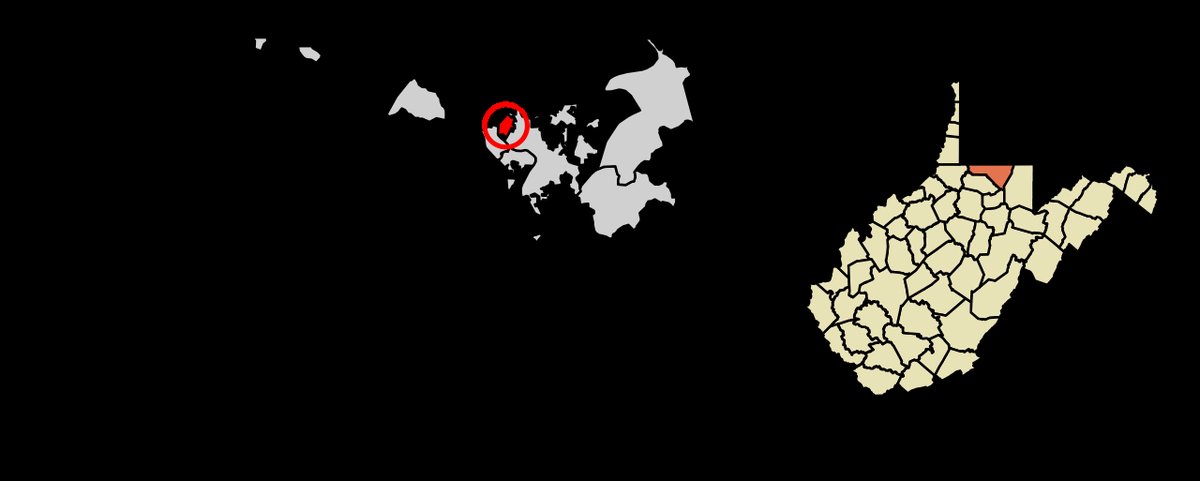
In July 2012, the sudden midnight disappearance of sixteen-year-old honors student Skylar Neese from her Star City, West Virginia, apartment perplexed local authorities for six agonizing months. The Skylar Neese murder investigation ultimately uncovered one of the most chilling cases of adolescent premeditation in modern criminal history. Planned and executed by her two closest high school best friends—Rachel Shoaf and Shelia Eddy—the investigation exposed the dark realities of social media deception and led directly to the passage of West Virginia’s landmark ‘Skylar’s Law’, fundamentally transforming AMBER Alert criteria for missing children.
Executive Case Factsheet
- Victim(s): Skylar Annette Neese, age 16, honors student at University High School
- Date of Incident: July 6, 2012
- Primary Crime Scene / Location: Star City, Monongalia County, West Virginia / Wayne Township, Greene County, Pennsylvania
- Lead Investigating Jurisdictions: Star City Police Department, West Virginia State Police, FBI, Monongalia County Prosecutor
- Key Forensic Evidence: Surveillance camera footage from apartment complex, vehicle GPS telematics, forensic Twitter/SMS metadata, Rachel Shoaf recorded proffer and site identification, recovered kitchen knives
- Suspect(s) / Perpetrator(s): Rachel Shoaf (16) and Shelia Eddy (16)
- Legal Outcome & Status: Rachel Shoaf pleaded guilty to second-degree murder (sentenced to 30 years); Shelia Eddy pleaded guilty to first-degree murder (sentenced to life with mercy in 2014)
The Midnight Escape on Surveillance Video: July 6, 2012
At approximately 12:30 a.m. on Friday, July 6, 2012, sixteen-year-old Skylar Neese climbed out of her ground-floor bedroom window at the Whispering Creek apartment complex in Star City, West Virginia. Apartment surveillance footage captured Skylar walking briskly across the parking lot and getting into the back seat of a sedan parked at the curb, which immediately drove away into the night.
When her parents, Dave and Mary Neese, discovered her empty room the following afternoon alongside her missed work shift at Wendy’s, they immediately reported her missing to the Star City Police Department. However, because surveillance footage showed Skylar voluntarily entering the vehicle, initial law enforcement officers classified her as a runaway, precluding the issuance of a state AMBER Alert under existing guidelines that required evidence of an involuntary abduction.
Skylar’s two inseparable best friends since elementary and middle school—Rachel Shoaf and Shelia Eddy—told police and grieving parents that they had picked Skylar up around 11:00 p.m. to drive around, smoke marijuana, and listen to music, claiming they had dropped her off at the end of her street an hour later. For months, Eddy and Shoaf actively participated in community search vigils, distributed missing person flyers, and comforted the Neese family, all while maintaining their deceptive narrative.
Digital Forensics, FBI Involvement, and Inconsistencies
In September 2012, recognizing severe anomalies in the girls’ timelines, the FBI and the West Virginia State Police joined the inquiry. Digital forensic investigators subpoenaed cellular phone tower triangulation records, text messages, and social media data from Twitter and Facebook accounts belonging to the three teenagers.
Cell tower logs proved that at 12:30 a.m. on July 6, the phones belonging to Shelia Eddy and Rachel Shoaf pinged towers heading northeast along Route 19 toward rural Greene County, Pennsylvania—directly contradicting their statements that they had dropped Skylar off in Star City at midnight. Furthermore, bank surveillance cameras captured Eddy’s 2001 Toyota Camry traveling across state lines toward Pennsylvania and returning hours later.
On social media, Shelia Eddy maintained an active, disturbing presence, posting callous tweets referencing the crime, including the now-notorious tweet: ‘we really did go on a drive at 11:55 pm to Pennsylvania and made it back by 2am.’ Federal agents intensified psychological pressure on both girls, conducting separate grand jury interviews in late 2012.

The January 2013 Confession and Greene County Recovery
On December 28, 2012, sixteen-year-old Rachel Shoaf suffered a severe psychological breakdown and was admitted to a psychiatric treatment facility. Upon her discharge on January 3, 2013, Shoaf met with her attorney and West Virginia State Police Corporal Ronnie Gaskins, delivering a full, audio-recorded confession that stunned hardened investigators.
Shoaf admitted that she and Shelia Eddy had planned Skylar’s murder for months during science classes at University High School. On the night of July 6, they drove Skylar to a secluded wooded gravel turn-around in Wayne Township, Greene County, Pennsylvania. After smoking marijuana, Eddy and Shoaf gave a coordinated countdown signal (‘One, two, three’) and attacked Skylar with kitchen butcher knives they had concealed in their clothing.
Skylar desperately fought for her life, disarming Shoaf momentarily, but was overpowered by Eddy and stabbed more than fifty times. When asked by detectives why they had murdered their lifelong friend, Shoaf provided the chilling six-word explanation: ‘We just didn’t like her anymore.’ The perpetrators then attempted to dig a grave, but finding the rocky ground impenetrable, concealed Skylar’s body beneath tree branches, dirt, and heavy rocks before discarding their bloody clothes.
On January 16, 2013, Shoaf led FBI agents and State Police directly to the remote Pennsylvania woods, where forensic teams recovered Skylar’s skeletal remains. DNA testing by the FBI Laboratory conclusively confirmed her identity.
Indictments, Courtroom Pleas, and Life Sentencing
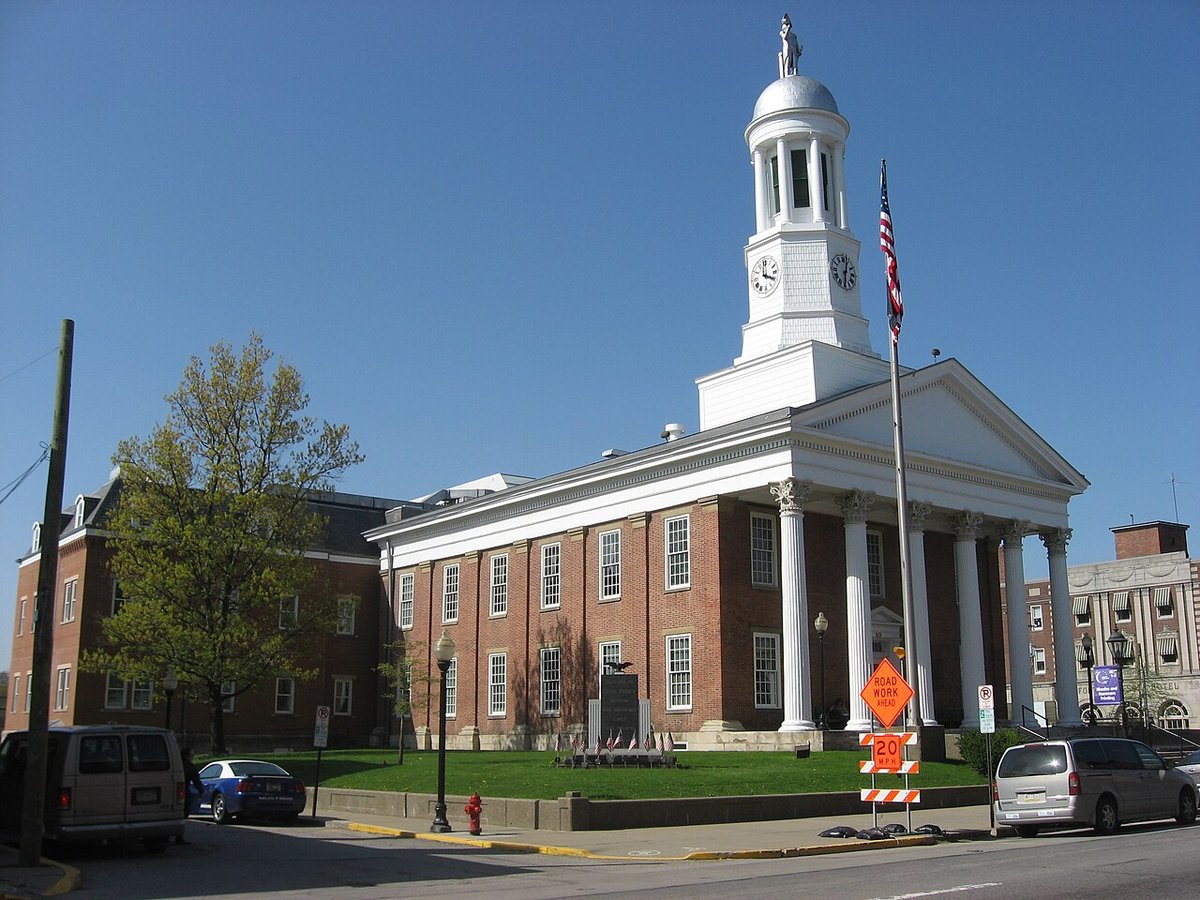
On May 1, 2013, Rachel Shoaf pleaded guilty in Monongalia County Circuit Court to second-degree murder, agreeing to cooperate with prosecutors and testify against Shelia Eddy. She was subsequently sentenced to thirty years in the Lakin Correctional Center with parole eligibility after ten years.
Shelia Eddy was arrested in a restaurant parking lot on May 1, 2013. Initially maintaining her innocence, Eddy faced adult transfer and multiple charges of first-degree murder, kidnapping, and conspiracy. On January 24, 2014, recognizing that Shoaf’s testimony and overwhelming digital evidence would result in a mandatory life sentence without parole, Eddy pleaded guilty to first-degree murder with mercy.
Judge Russell Clawges sentenced Eddy to life imprisonment in the West Virginia Department of Corrections, with statutory parole eligibility after serving fifteen years (in 2029). During sentencing, Dave Neese expressed profound heartbreak, stating that Eddy and Shoaf had murdered a piece of their souls.
Legislative Legacy: Skylar’s Law and Child Safety Reforms
The failure of the initial police response to issue an urgent public alert prompted Dave and Mary Neese to launch a relentless legislative campaign. In May 2013, the West Virginia Legislature unanimously passed House Bill 2456, known as Skylar’s Law, signed into law by Governor Earl Ray Tomblin.
Skylar’s Law reformed the state AMBER Alert and missing children criteria, mandating that law enforcement immediately broadcast public alerts for any missing child regardless of whether the child is initially suspected of being a runaway, provided there is any concern for their safety. The statute has served as a model for updated missing youth alert protocols across numerous other US states.
The case remains a widely studied subject in adolescent psychology and digital criminalistics, illustrating how adolescent relational aggression can escalate into severe violent pathology, and how digital cell phone metadata provides an indelible audit trail that overcomes false juvenile alibis.
Chronological Case Timeline
| Date / Milestone | Investigative Development | Forensic / Evidentiary Significance |
|---|---|---|
| July 6, 2012 (00:30) | Skylar Neese climbs out apartment window | Captured on security camera entering Shelia Eddy’s vehicle |
| July 7, 2012 | Skylar reported missing in Star City | Classified as runaway; no AMBER Alert issued under old laws |
| September 2012 | FBI joins investigation | Subpoenas cellular tower and Twitter metadata disproving alibis |
| January 3, 2013 | Rachel Shoaf confesses to State Police | Admits premeditated stabbing and leads police to Pennsylvania woods |
| January 16, 2013 | Remains recovered in Greene County, PA | FBI confirms Skylar Neese’s identity through DNA analysis |
| May 1, 2013 | Shoaf pleads guilty; Eddy arrested | Shoaf pleads guilty to 2nd degree murder (sentenced to 30 years) |
| January 24, 2014 | Shelia Eddy pleads guilty to 1st degree murder | Sentenced to Life with mercy; parole eligible in 2029 |
| May 2013 | West Virginia passes Skylar’s Law | Overhauls missing child alert criteria across the state |
Frequently Asked Questions: Forensic & Legal Review
What was the stated motive for the murder of Skylar Neese?
During her confession to West Virginia State Police, Rachel Shoaf stated that she and Shelia Eddy murdered Skylar because ‘they just didn’t like her anymore’ and feared that Skylar might expose personal secrets and interpersonal conflicts among the friend group.
What is ‘Skylar’s Law’ and how did it change missing children procedures?
Passed in 2013, Skylar’s Law amended West Virginia’s AMBER Alert criteria to ensure that emergency public broadcast alerts can be issued immediately for any missing endangered child, even if police initially suspect the juvenile may have left home voluntarily as a runaway.
How did digital cell tower evidence break the suspects’ alibis?
Although Eddy and Shoaf claimed they dropped Skylar off in Star City around midnight, cellular tower triangulation and bank security cameras proved that their phones and vehicle traveled northeast into Greene County, Pennsylvania, at the exact time of the murder.
What are the current parole statuses of Rachel Shoaf and Shelia Eddy?
Rachel Shoaf was denied parole in 2023 and remains incarcerated at Lakin Correctional Center serving her 30-year sentence. Shelia Eddy is serving her life sentence at Lakin Correctional Center and will become eligible for her first parole hearing in 2029.