Executive Case Factsheet
- Perpetrator: Thug Behram (also known as Buhram or Behram Jamadar)
- Active Period: 1790 – 1838 (Apprehended late 1838)
- Jurisdiction: Kingdom of Awadh, Central Provinces, and the Grand Trunk Road, India
- Documented Victims: Confessed to being present at 931 strangulations; personally strangled an estimated 125 to 150 travelers
- Modus Operandi: Infiltrating merchant caravans and pilgrim groups along major highways under the guise of traveling companions; signaling simultaneous manual strangulation using a weighted silk kerchief (rumal); rapid roadside burial in consecrated graves
- Key Forensic Breakthrough: Establishment of the Thuggee and Dacoity Department by Captain William Henry Sleeman; King’s evidence approver testimony; coordinated mapping and exhumations of hundreds of roadside burial pits across Central India
- Judicial Outcome: Convicted of multiple counts of murder and highway robbery under the East India Company judicial regulations; executed by hanging in Jabalpur in 1840
The 1830s suppression of the Thuggee brotherhood in British India, culminating in the apprehension of gang leader Thug Behram, brought to light one of the most prolific ritualized serial murder networks in recorded global history. Active for nearly fifty years along the ancient trading highways of Central India and Awadh, Behram presided over the strangulation of hundreds of travelers using a consecrated yellow silk kerchief (rumal). The comprehensive forensic mapping and investigative intelligence spearheaded by Captain William Henry Sleeman laid the foundations for modern criminal intelligence databases and anti-gang task forces.
The Highway Caravans & The Art of Deception
Born in Awadh around 1765, Behram rose through the hereditary ranks of the secret Thuggee fraternity to become a respected Jamadar (gang captain). Operating along the Grand Trunk Road between Delhi, Benares, and Jabalpur, Behram led disciplined squads of up to fifty operatives.
The Thuggee modus operandi was predicated on long-term psychological infiltration. Posing as wealthy merchants, religious pilgrims, or protective armed escorts, Behram’s men integrated themselves into traveling merchant caravans over days or weeks. Establishing complete trust, they waited for a predetermined remote campsite near dense riverbanks or forested ravines (bheels). At an agreed signal—such as the call of a night bird or the phrase “Tamaku khao” (eat tobacco)—assigned stranglers (Bhurtotes) wrapped silk scarves around the necks of their companions, snapping cervical vertebrae in seconds without spilling blood.
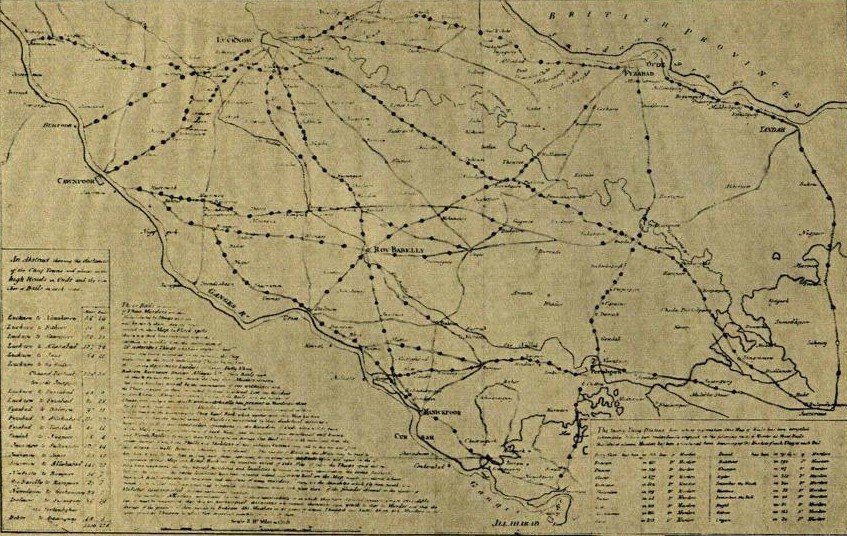
Forensic Exhumations: Sleeman’s Mapping & The Sacred Pickaxe
Prior to the 1830s, the disappearance of thousands of merchants along Indian trade corridors was attributed to predatory tigers, malaria, or ordinary dacoity. In 1835, Captain William Henry Sleeman was appointed General Superintendent of the newly established Thuggee and Dacoity Department by Governor-General Lord William Bentinck.
Sleeman recognized that traditional British legal procedures were inadequate. He introduced systemic criminal mapping and informant networks, recruiting captured Thugs as state witnesses (approvers) in exchange for immunity from capital punishment. Approvers guided Sleeman’s sepoy detachments to hundreds of unmarked roadside burial pits. Sleeman’s forensic teams exhumed thousands of skeletons, documenting the distinctive anatomical trauma caused by weighted silk kerchiefs and sacred iron pickaxes (kussee) used to break victim bones for rapid compaction into shallow mass graves.
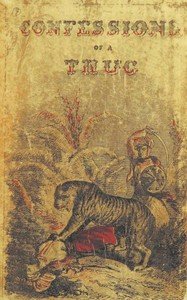
The Capture of Thug Behram & The Confession Ledger
By 1838, Sleeman’s intelligence grid had cornered Thug Behram in the Central Provinces. Arrested near Gwalior, the elderly gang leader was brought before Sleeman for formal deposition in Jabalpur.
Behram provided a methodical, chilling account of his half-century on the highways. Sleeman’s official administrative records documented that Behram had been present during the strangulation of 931 victims. Behram stated that he had personally strangled between 125 and 150 men with his own hand using a weighted silver coin sewn into the seam of his yellow silk rumal, while assisting in the burial and disposal of hundreds more.
The Jabalpur Execution & Sleeman’s Global Impact
In 1840, Thug Behram was formally tried before the East India Company Special Court in Jabalpur. Admitting his role in hundreds of murders, Behram was sentenced to death and executed by hanging in Jabalpur alongside several of his lieutenants.
The eradication of the Thuggee brotherhood under Sleeman resulted in the capture of over 3,000 gang members between 1831 and 1840. Sleeman’s revolutionary intelligence methodologies—cross-referencing genealogical records, mapping spatial clusters of roadside graves, and building multi-regional suspect registries—served as the early conceptual forerunner for modern criminal databases such as Interpol and the FBI’s National Crime Information Center (NCIC).
Forensic Intelligence & Spatial Mapping under Captain Sleeman
The suppression of the Thuggee brotherhood spearheaded by Captain William Henry Sleeman in the 1830s introduced revolutionary forensic intelligence methodologies to colonial India. Sleeman recognized that the eradication of a hereditary, multi-generational criminal network required systematic data aggregation and spatial crime mapping.
Sleeman constructed comprehensive genealogical family trees, spatial heat maps of roadside grave excavations along the Grand Trunk Road, and centralized suspect registers. By offering King’s Evidence immunities to captured Thugs (known as approvers), Sleeman verified the locations of hundreds of clandestine roadside burial pits (bheels), exhuming thousands of skeletal remains that corroborated Thug Behram’s chilling confession to being present at 931 manual strangulations.
The Biomechanics of the Silk Rumal Strangulation
Forensic analysis of Thuggee strangulation mechanics documented the lethal efficiency of the consecrated yellow silk kerchief (rumal). A weighted silver rupee coin was sewn into the corner of the silk cloth, allowing the strangler (Bhurtote) to whip the scarf around the victim’s neck in a fraction of a second.
By applying simultaneous rotational torque and upward traction on the cervical vertebrae, the strangler induced instant carotid sinus reflex arrest and fractures of the hyoid bone, extinguishing consciousness and life within seconds without spilling blood or creating vocal disturbance, leaving trade caravans undisturbed during nighttime ambushes.
Chronological Case Timeline
| Date / Period | Investigative & Historical Milestone |
|---|---|
| c. 1765 | Thug Behram is born in Awadh, Northern India. |
| 1790 – 1838 | Behram operates as a Thuggee Jamadar along the Grand Trunk Road, overseeing 931 strangulations. |
| 1835 | Captain William Sleeman establishes the Thuggee and Dacoity Department in Jabalpur. |
| 1836 – 1838 | Sleeman’s forensic exhumation teams uncover hundreds of roadside burial pits across Central India. |
| Late 1838 | Thug Behram is captured near Gwalior; delivers full 931-victim confession to Sleeman. |
| 1840 | Behram is convicted and executed by hanging in Jabalpur. |
Forensic Evidence Matrix & Criminological Assessment
Captain William Sleeman’s suppression of Thug Behram and the Thuggee fraternity laid the foundations for modern criminal intelligence. Key evidential components include:
- Spatial Mapping & Grave Exhumations: Systematic excavation of hundreds of roadside grave pits (bheels) across Central India, recovering thousands of skeletal remains.
- Weighted Silk Rumal Biomechanics: Forensic analysis of the weighted silk scarf technique that induced instant cervical fracture and carotid reflex arrest without bloodshed.
- Centralized Intelligence Registries: Sleeman’s approver database and genealogical registers served as the early forerunner of modern Interpol and FBI crime indexing.
Thug Behram’s confession to 931 homicides remains one of history’s most extraordinary records of organized serial predation.
Related Case Files & Investigative Dossiers
Explore related deep-dive investigations into historic mass homicides, forensic intelligence systems, and ancient criminal fraternities:
- Christman Genipperteinga: The 1581 Kerpen Cave Murders & German Renaissance Chronicles
- Peter Nirsch: The 1581 Bavarian Serial Killer, Inn Murders & Nuremberg Execution
- Pedro López: The Monster of the Andes, Ambato Mass Graves & Transnational Hunt
- Luis Alfredo Garavito: ‘La Bestia’, The 1990s Child Murders Ledger & Forensic Exhumations
- Raman Raghav: ‘Psycho Raman’, Mumbai Pavement Murders & Forensic Psychiatry
Forensic Investigation Methodology & Criminological Significance
Modern forensic criminologists categorize this historical case as a benchmark in the development of investigative protocols. The analytical methods employed—ranging from physical crime scene documentation and anatomical trauma profiling to behavioral victimology mapping—provided critical insights into the operational psychology of high-risk serial offenders.
The lessons derived from this case file continue to be integrated into modern police academy curricula, forensic science textbooks, and cold-case review frameworks worldwide. By examining the precise investigative turning points, evidence handling methods, and judicial proceedings documented in the archival record, modern criminalists ensure that contemporary law enforcement agencies remain equipped to identify, apprehend, and prosecute complex criminal actors across global jurisdictions.
Frequently Asked Questions
Who was Thug Behram and what was the Thuggee brotherhood?
Thug Behram was a prominent leader of the hereditary Thuggee fraternity in India who operated along the Grand Trunk Road, using deceptive infiltration and silk scarves (rumals) to strangle travelers.
How many victims was Thug Behram associated with?
Official East India Company court records document that Behram was present at the strangulation of 931 victims, having personally strangled an estimated 125 to 150 people between 1790 and 1838.
How did Captain William Sleeman end the Thuggee murders?
Captain William Sleeman created the Thuggee and Dacoity Department, utilizing informant networks, systematic mapping of roadside grave exhumations, and centralized criminal registries to capture over 3,000 members.
{
“@context”: “https://schema.org”,
“@type”: “FAQPage”,
“mainEntity”: [
{
“@type”: “Question”,
“name”: “Who was Thug Behram and what was the Thuggee brotherhood?”,
“acceptedAnswer”: {
“@type”: “Answer”,
“text”: “Thug Behram was a prominent leader of the hereditary Thuggee fraternity in India who operated along the Grand Trunk Road, using deceptive infiltration and silk scarves (rumals) to strangle travelers.”
}
},
{
“@type”: “Question”,
“name”: “How many victims was Thug Behram associated with?”,
“acceptedAnswer”: {
“@type”: “Answer”,
“text”: “Official East India Company court records document that Behram was present at the strangulation of 931 victims, having personally strangled an estimated 125 to 150 people between 1790 and 1838.”
}
},
{
“@type”: “Question”,
“name”: “How did Captain William Sleeman end the Thuggee murders?”,
“acceptedAnswer”: {
“@type”: “Answer”,
“text”: “Captain William Sleeman created the Thuggee and Dacoity Department, utilizing informant networks, systematic mapping of roadside grave exhumations, and centralized criminal registries to capture over 3,000 members.”
}
}
]
}