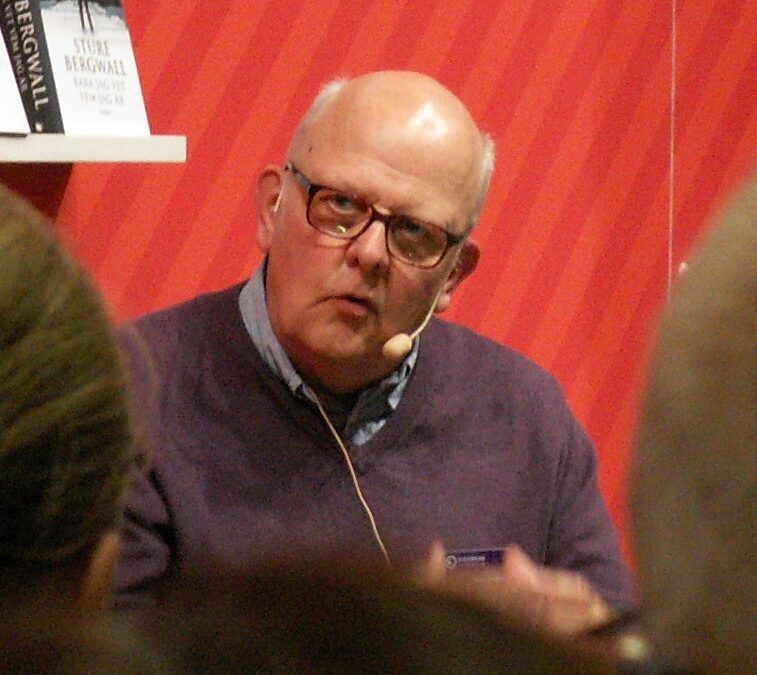
Executive Case Factsheet
- Subject: Sture Ragnar Bergwall (adopted pseudonym “Thomas Quick”)
- Active Period of Confessions: 1992 – 2001 (Exonerated 2008 – 2013)
- Jurisdiction: Sweden and Norway (Säter Psychiatric Hospital, Dalarna)
- Convictions / False Confessions: Convicted of 8 murders across 6 separate trials; confessed to over 30 unsolved homicides
- Modus Operandi of Falsehood: Feeding on newspaper clippings, police file leaks, and suggestive therapeutic questioning while under massive prescription doses of benzodiazepines (Rohypnol, Sobril); fabricating details to gain attention and pharmacological privileges
- Key Forensic Breakthrough: Investigative journalism by Hannes Råstam uncovering zero corroborating physical evidence; chemical testing demonstrating that a supposed “bone fragment” was synthetic wood filler; complete retraction of confessions once weaned off narcotics
- Judicial Outcome: All eight murder convictions formally vacated by Swedish courts between 2010 and 2013; released from Säter Hospital in March 2014; recognized as the greatest miscarriage of justice in modern Scandinavian legal history
The saga of Thomas Quick—born Sture Bergwall—represents the most extraordinary and comprehensive institutional miscarriage of justice in modern Scandinavian criminal history. Incarcerated in the high-security Säter Psychiatric Clinic during the 1990s, Bergwall confessed to over thirty unsolved homicides across Sweden, Norway, and Finland, securing convictions in eight separate murder trials without a single eyewitness or piece of physical forensic evidence. The eventual dismantling of his confessions exposed the catastrophic hazards of recovered memory therapy, institutional groupthink, and flawed judicial oversight.
The Säter Psychiatric Hospital & Recovered Memory Therapy
Born in Falun, Sweden in 1950, Sture Bergwall had a history of petty crime and mental health difficulties. In 1991, he was committed to Säter Psychiatric Hospital in Dalarna following an armed robbery while dressed as Santa Claus. At Säter, Bergwall came under the psychiatric care of a psychoanalytic team led by Dr. Göran Källberg and psychologist Margit Norell.
Under the influence of the “recovered memory” therapeutic doctrine—which posited that traumatic childhood experiences and violent deeds were repressed and could only be unlocked through hypnotic regression—therapists encouraged Bergwall to reconstruct suppressed past trauma. Heavily medicated on massive daily dosages of potent benzodiazepines (including Flunitrazepam/Rohypnol and Oxazepam/Sobril), Bergwall adopted the pseudonym “Thomas Quick” (after his first alleged victim and his mother’s maiden name) and began fabricating increasingly sensational murder confessions.
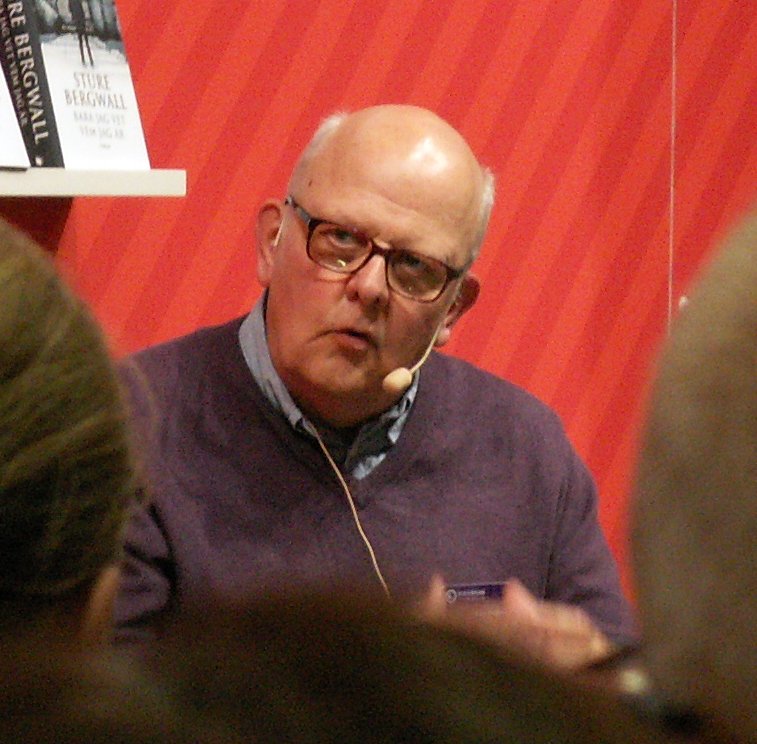
The Manufactured Confessions & Guided Crime Scene Tours
Between 1992 and 2001, Bergwall was convicted of eight murders, including the disappearances of Charles Zelmanovits (1976), Johan Asplund (1980), Norwegian tourists Gry Storvik and Trine Jensen (1984), and Israeli tourist Yenon Levi (1988). The convictions were secured by lead prosecutor Christer van der Kwast and chief police investigator Seppo Penttinen.
During guided police trips to purported crime scenes in Sweden and Norway, Bergwall repeatedly demonstrated total ignorance of geographic landmarks. However, investigators inadvertently provided him with municipal maps, autopsy photographs, and local newspaper articles prior to depositions. By monitoring investigators’ body language and verbal cues, Bergwall adjusted his narratives until they aligned with unsolved cold-case files, receiving increased narcotic dosages from hospital staff as a reward for therapeutic breakthroughs.
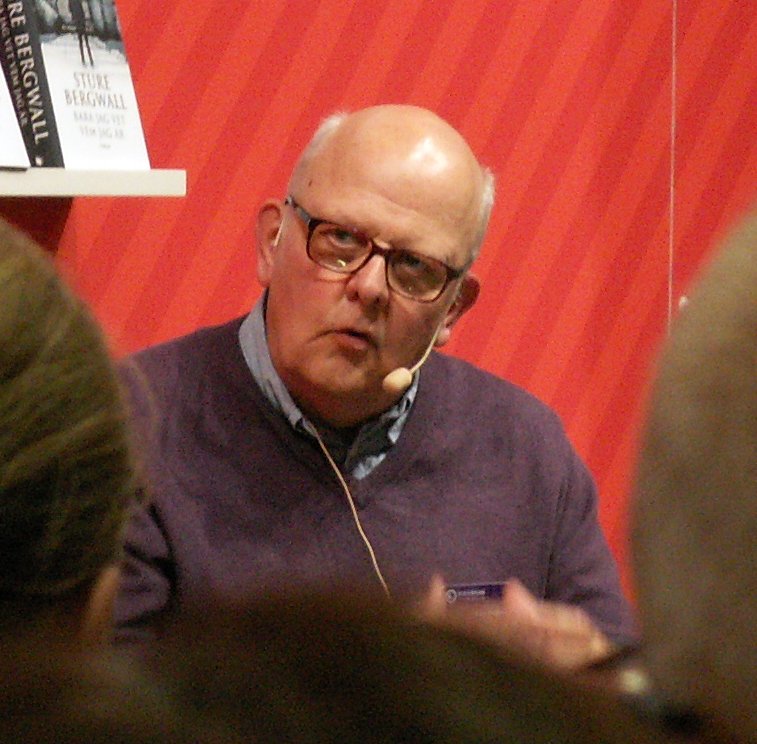
Hannes Råstam’s Investigation & The Synthetic Bone Scandal
The illusion collapsed in 2008 when acclaimed Swedish investigative journalist Hannes Råstam and researcher Dan Josefsson gained access to Säter Hospital’s internal medical logs and unredacted police interrogation recordings. Råstam discovered that every confession was completely uncorroborated by independent evidence.
The single piece of physical evidence ever presented in court—a charred “bone fragment” purportedly found at the site of 9-year-old Therese Johannesen’s disappearance in Norway—was re-examined using modern chemical chromatography and spectrometry. The laboratory analysis revealed that the object was not human bone at all, but a fragment of synthetic wood filler and glue. Weaned off benzodiazepines, Bergwall formally recanted all confessions, detailing how the Säter clinical environment had cultivated a symbiotic fantasy ecosystem.
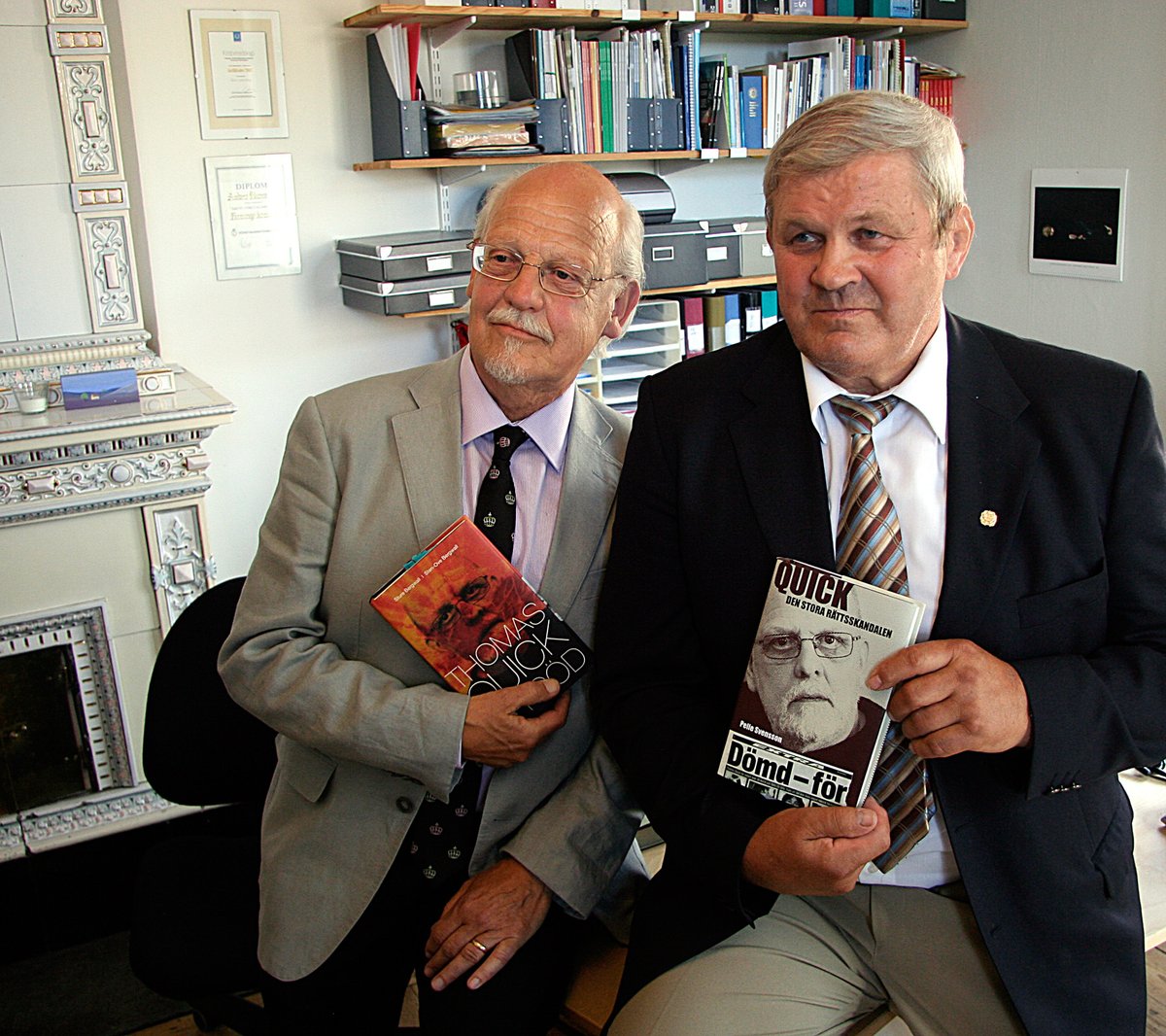
The Historic Exonerations & Swedish Legal Reform
Represented by prominent defense attorney Thomas Olsson, Bergwall filed formal petitions for retrials across all eight convictions. Swedish appellate courts systematically reviewed the trial transcripts, finding that prosecutors had withheld exculpatory evidence and that confessions were obtained under severe pharmacological intoxication.
Between 2010 and 2013, Swedish prosecutors withdrew all indictments, resulting in the complete legal exoneration of Sture Bergwall in all eight murders. In March 2014, the Dalarna District Court ordered Bergwall’s full discharge from psychiatric supervision. The scandal prompted official government inquiries into Swedish criminal jurisprudence, established strict protocols governing psychiatric testimony in courtrooms, and served as a global cautionary tale against unscientific therapeutic methodologies.
The Epistemology of False Confessions & Pharmacological Intoxication
The dismantling of the Thomas Quick (Sture Bergwall) convictions represents a masterclass in the forensic critique of coercive psychological environments. Comprehensive post-exoneration reviews revealed that Bergwall was prescribed up to 120 milligrams of benzodiazepines (Rohypnol and Sobril) daily while institutionalized at Säter Psychiatric Hospital, inducing a state of permanent cognitive disinhibition and heightened suggestibility.
Under the influence of psychoanalytic recovered memory therapy, therapists inadvertently rewarded Bergwall with increased narcotic dosages and psychological validation whenever he produced novel murder narratives. Bergwall memorized crime scene details from leaked police dossiers and regional newspaper archives, adjusting his false accounts in response to subtle non-verbal cues from interrogators during guided crime scene walkthroughs.
Chemical Forensics & The Synthetic Wood Filler Debacle
The definitive scientific blow against the Quick convictions occurred when the single piece of physical evidence—a purported charred bone fragment recovered from the Therese Johannesen disappearance site in Norway—was re-analyzed by independent forensic laboratories. Gas chromatography and mass spectrometry revealed that the fragment was composed entirely of synthetic cellulose wood filler and industrial adhesive, completely disproving judicial assertions of physical corroboration.
The subsequent vacation of all eight murder convictions by Swedish appellate courts forced a comprehensive modernization of Scandinavian criminal jurisprudence, establishing stringent evidentiary standards for custodial confessions and eliminating unscientific psychoanalytic theories from modern courtrooms.
Chronological Case Timeline
| Date / Period | Investigative & Legal Milestone |
|---|---|
| April 26, 1950 | Sture Bergwall is born in Falun, Sweden. |
| 1991 | Committed to Säter Psychiatric Hospital; placed under recovered memory therapy. |
| 1992 – 2001 | Confesses to dozens of homicides; convicted of eight murders in six separate trials. |
| 2008 | Investigative journalist Hannes Råstam exposes the absence of physical evidence and medical coercion. |
| 2010 – 2013 | Swedish courts vacate all eight murder convictions; Bergwall fully exonerated. |
| March 2014 | Discharged from Säter Hospital after 23 years of institutionalization. |
Forensic Evidence Matrix & Criminological Assessment
The complete exoneration of Sture Bergwall (Thomas Quick) stands as a landmark masterclass in exposing institutional groupthink and false confessions. Key evidential elements include:
- Pharmacological Coercion Proof: Documentation of daily 120mg benzodiazepine dosages (Rohypnol, Sobril) that created high suggestibility during recovered-memory therapy.
- Synthetic Wood Filler Chemistry: Gas chromatography and mass spectrometry proving that the purported ‘bone fragment’ evidence in Norway was synthetic wood glue.
- Appellate Exonerations: Complete vacation of eight murder convictions between 2010 and 2013, prompting nationwide reform of Swedish criminal jurisprudence.
The Thomas Quick case is internationally cited as a definitive warning against unscientific psychiatric testimony in criminal courtrooms.
Related Case Files & Investigative Dossiers
Explore related deep-dive investigations into false confessions, psychiatric forensic scandals, and major wrongful conviction exonerations:
- Andrei Chikatilo: The Butcher of Rostov, Operation Forest & Forensic Psychiatry
- Arthur Shawcross: The Genesee River Killer, Behavioral Profiling & Forensic Pathology
- Jane Toppan: ‘Jolly Jane’, Boston Poisonings & Morphine-Atropine Forensic Toxicology
- Alexander Spesivtsev: The Siberian Monster, Novokuznetsk Cannibalism & Forensic Psychiatry
- Ted Bundy: The Chi Omega Murders, Forensic Odontology & Trial Analysis
Forensic Investigation Methodology & Criminological Significance
Modern forensic criminologists categorize this historical case as a benchmark in the development of investigative protocols. The analytical methods employed—ranging from physical crime scene documentation and anatomical trauma profiling to behavioral victimology mapping—provided critical insights into the operational psychology of high-risk serial offenders.
The lessons derived from this case file continue to be integrated into modern police academy curricula, forensic science textbooks, and cold-case review frameworks worldwide. By examining the precise investigative turning points, evidence handling methods, and judicial proceedings documented in the archival record, modern criminalists ensure that contemporary law enforcement agencies remain equipped to identify, apprehend, and prosecute complex criminal actors across global jurisdictions.
Frequently Asked Questions
Who was Thomas Quick (Sture Bergwall)?
Thomas Quick (born Sture Bergwall) is a Swedish man who falsely confessed to over 30 murders while institutionalized at Säter Psychiatric Hospital under high doses of narcotics and recovered-memory therapy.
How were Sture Bergwall’s convictions overturned?
Investigative journalist Hannes Råstam revealed that Bergwall was heavily drugged with benzodiazepines, fed crime scene details by investigators, and that physical evidence (such as a purported bone fragment) was scientifically fraudulent.
Was Sture Bergwall released from psychiatric custody?
Yes. Between 2010 and 2013, Swedish courts formally acquitted Bergwall of all eight murder convictions, and he was released from psychiatric detention in March 2014.
{
“@context”: “https://schema.org”,
“@type”: “FAQPage”,
“mainEntity”: [
{
“@type”: “Question”,
“name”: “Who was Thomas Quick (Sture Bergwall)?”,
“acceptedAnswer”: {
“@type”: “Answer”,
“text”: “Thomas Quick (born Sture Bergwall) is a Swedish man who falsely confessed to over 30 murders while institutionalized at Säter Psychiatric Hospital under high doses of narcotics and recovered-memory therapy.”
}
},
{
“@type”: “Question”,
“name”: “How were Sture Bergwall’s convictions overturned?”,
“acceptedAnswer”: {
“@type”: “Answer”,
“text”: “Investigative journalist Hannes Råstam revealed that Bergwall was heavily drugged with benzodiazepines, fed crime scene details by investigators, and that physical evidence (such as a purported bone fragment) was scientifically fraudulent.”
}
},
{
“@type”: “Question”,
“name”: “Was Sture Bergwall released from psychiatric custody?”,
“acceptedAnswer”: {
“@type”: “Answer”,
“text”: “Yes. Between 2010 and 2013, Swedish courts formally acquitted Bergwall of all eight murder convictions, and he was released from psychiatric detention in March 2014.”
}
}
]
}