Executive Case Factsheet
- Perpetrator: Unidentified serial killer (nicknamed “Bible John”)
- Active Period: February 1968 – October 1969
- Jurisdiction: Glasgow, Scotland, United Kingdom (Barrowland Ballroom and East End tenement districts)
- Confirmed Victims: 3 young women (Patricia Docker, Jemima McDonald, Helen Puttock)
- Modus Operandi: Approaching young brunette women at the Barrowland Ballroom; sharing late-night taxis; quoting Old Testament biblical scripture; ligature strangulation with victims’ own stockings in tenement backyards
- Key Forensic Breakthrough: Eyewitness testimony from Helen Puttock’s sister, Jean Langford, who shared a taxi with the killer; recovery of semen stains on Helen Puttock’s clothing subjected to modern STR DNA testing in 1996
- Judicial Outcome: Case officially unsolved; massive 1969 manhunt questioning over 50,000 men; 1996 exhumation of suspect John McInnes resulting in DNA exclusion
The serial murders attributed to “Bible John” represent the most notorious and haunting unsolved criminal investigation in Scottish legal history. Between February 1968 and October 1969, three young women who spent their evenings dancing at Glasgow’s famed Barrowland Ballroom were strangled in nearby tenement backyards. The killer’s propensity for quoting Old Testament scripture, combined with an unprecedented police dragnet and modern cold-case DNA examinations, made Bible John an enduring criminological mystery.
The Barrowland Ballroom & The Three Murders
The Barrowland Ballroom in the East End of Glasgow was one of Scotland’s most vibrant social dancing hubs in the late 1960s. On February 23, 1968, 25-year-old nurse Patricia Docker went dancing at the Barrowland. The following morning, her battered, naked body was discovered in a lane behind Carmichael Place in Battlefield. She had been strangled with her own tights.
Eighteen months later, on August 16, 1969, 32-year-old Jemima McDonald disappeared after dancing at the Barrowland. Her body was discovered in a derelict tenement building on MacKeith Street; she had been strangled with her stockings and assaulted. On October 31, 1969, 29-year-old Helen Puttock was found strangled with her stockings in the backyard of her sister’s flat in Earl Street, Scotstoun, completing a distinct serial pattern.
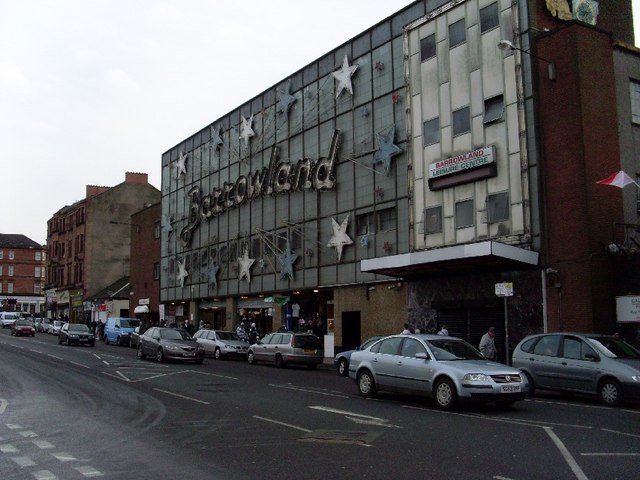
The Shared Taxi Ride & The “Bible John” Moniker
The crucial breakthrough in identifying the killer’s behavioral characteristics occurred following Helen Puttock’s murder. That evening, Helen and her sister, Jean Langford, had shared a taxi ride from the Barrowland with a tall, well-dressed, polite young man who identified himself as “John.”
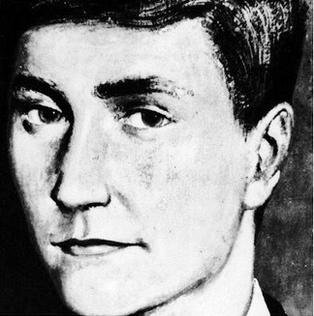
During the taxi journey, the man engaged in animated conversation, quoting passages from the Old Testament book of Exodus and condemning adulterous women and modern dance halls. Jean departed the taxi in Scotstoun, leaving Helen and the stranger to continue. Jean’s detailed eyewitness description allowed police artist Lennox Paterson to produce the famous composite sketch of a red-haired man with overlapping front incisors, sparking the moniker “Bible John.”
The 1969 Glasgow Police Dragnet
Glasgow City Police launched the largest criminal manhunt in Scottish history under Detective Superintendent Joe Beattie. Over 100 detectives interviewed more than 50,000 men across Glasgow, Lanarkshire, and Renfrewshire. Undercover bouncers and detectives carrying composite sketches were stationed inside the Barrowland Ballroom.
Police distributed over 450,000 identification cards across Scotland and conducted passport and dental registry checks looking for men with distinctive overlapping incisors. However, following the Helen Puttock murder, the killer completely disappeared from the Glasgow dance hall circuit, leading investigators to theorize that he had either moved abroad, been imprisoned for unrelated offenses, or died.

1996 DNA Testing & The Exhumation of John McInnes
In 1995, Strathclyde Police reopened the Bible John case using modern forensic technologies. Forensic biologists recovered degraded biological stains from Helen Puttock’s preserved clothing and extracted an STR DNA profile.
Detectives focused on John McInnes, a former soldier and furniture salesman who had committed suicide in 1980 and bore a strong physical resemblance to the composite sketch. In 1996, Scottish authorities secured a court warrant to exhume McInnes’s body from a cemetery in Stonehouse, Lanarkshire. Advanced DNA testing conducted by the Forensic Science Service concluded that McInnes was definitively excluded as the source of the biological crime scene stains. To this day, the Bible John case remains an active cold case with Police Scotland.
The Forensic Evolution: From Eyewitness Composites to STR DNA Exhumations
The Bible John investigation stands as a pivotal bridge between traditional mid-20th-century eyewitness policing and modern forensic genetics. In 1969, the composite artist impression created by Lennox Paterson—based on the extensive testimony of Helen Puttock’s sister, Jean Langford—represented the first time a facial composite was distributed on such a massive scale in Scotland, appearing in newspapers, bus depots, and dance halls across the nation.
Nearly three decades later, Strathclyde Police cold case detectives utilized breakthrough Short Tandem Repeat (STR) DNA profiling on microscopic semen stains preserved on Helen Puttock’s coat. The 1996 exhumation of suspect John McInnes demonstrated the rigorous scientific objectivity of modern DNA testing: despite striking circumstantial similarities, the DNA profile conclusively excluded McInnes, proving the vital role of genetic evidence in preventing posthumous miscarriages of justice.
Social Geographies of the Glasgow Dance Hall Era
Sociological and criminological analyses of the Bible John murders highlight the cultural dynamics of Glasgow’s post-war dance hall scene. The Barrowland Ballroom functioned as an oasis of glamour for working-class women in an industrial city. Bible John systematically preyed on the social vulnerability of women returning home late at night through unlit tenement closes in the East End and Scotstoun, exploiting urban geography and dark closes to execute rapid ligature strangulations without alerting neighbors.
The case permanently transformed Scottish policing, leading directly to the establishment of specialized cold case review units and the permanent preservation of biological trace evidence in unsolved homicides.
Chronological Case Timeline
| Date / Period | Investigative & Historical Milestone |
|---|---|
| February 23, 1968 | Patricia Docker is murdered after dancing at the Barrowland Ballroom. |
| August 16, 1969 | Jemima McDonald is strangled in an East End tenement building. |
| October 31, 1969 | Helen Puttock is murdered; sister Jean Langford provides eyewitness account of “Bible John.” |
| Late 1969 | Glasgow City Police launch historic manhunt, interviewing over 50,000 men. |
| 1995 – 1996 | Strathclyde Police isolate STR DNA from crime scene evidence; exhume suspect John McInnes. |
| 1996 | Forensic DNA tests definitively exclude John McInnes; case remains open. |
Forensic Evidence Matrix & Criminological Assessment
The Bible John investigation represents a pivotal historical transition in Scottish policing from composite sketches to advanced genetics. Key evidential elements include:
- Composite Artist Pioneering: Lennox Paterson’s 1969 composite sketch, based on eyewitness Jean Langford, was the most widely distributed image in Scottish police history.
- 1996 STR DNA Exhumation: Short Tandem Repeat profiling from preserved clothing stains definitively excluded suspect John McInnes, proving the objectivity of genetic science.
- Cold Case Review Protocols: The enduring investigation led directly to the creation of dedicated cold case units and biological sample preservation standards within Police Scotland.
Bible John remains one of the UK’s most intensely analyzed unsolved serial murder investigations.
Related Case Files & Investigative Dossiers
Explore related deep-dive investigations into unsolved serial murders, cold case DNA advances, and iconic manhunts:
- Jack the Stripper: The Hammersmith Nude Murders, Thames Paint Flecks & Scotland Yard
- Peter Sutcliffe: The Yorkshire Ripper, Wearside Jack Hoax & Byford Report
- The Axeman of New Orleans: Italian Grocer Attacks, The Jazz Letter & Manhunt
- The Cleveland Torso Murderer: The Mad Butcher of Kingsbury Run & Eliot Ness
- The Texarkana Moonlight Murders: The Phantom Killer & Lovers’ Lane Attacks
Forensic Investigation Methodology & Criminological Significance
Modern forensic criminologists categorize this historical case as a benchmark in the development of investigative protocols. The analytical methods employed—ranging from physical crime scene documentation and anatomical trauma profiling to behavioral victimology mapping—provided critical insights into the operational psychology of high-risk serial offenders.
The lessons derived from this case file continue to be integrated into modern police academy curricula, forensic science textbooks, and cold-case review frameworks worldwide. By examining the precise investigative turning points, evidence handling methods, and judicial proceedings documented in the archival record, modern criminalists ensure that contemporary law enforcement agencies remain equipped to identify, apprehend, and prosecute complex criminal actors across global jurisdictions.
Frequently Asked Questions
Who was Bible John and where did he target victims?
Bible John is the moniker of an unidentified serial killer who murdered three women in Glasgow, Scotland between 1968 and 1969, meeting all his victims at the Barrowland Ballroom.
Why was the killer called Bible John?
He earned the nickname after a surviving witness (the sister of victim Helen Puttock) shared a taxi ride with him, during which he repeatedly quoted Old Testament bible passages and condemned modern dancing.
Did DNA testing solve the Bible John case?
No. In 1996, Scottish police exhumed prime suspect John McInnes to compare his DNA against biological evidence from the crime scene, but forensic tests definitively excluded him, leaving the case unsolved.
{
“@context”: “https://schema.org”,
“@type”: “FAQPage”,
“mainEntity”: [
{
“@type”: “Question”,
“name”: “Who was Bible John and where did he target victims?”,
“acceptedAnswer”: {
“@type”: “Answer”,
“text”: “Bible John is the moniker of an unidentified serial killer who murdered three women in Glasgow, Scotland between 1968 and 1969, meeting all his victims at the Barrowland Ballroom.”
}
},
{
“@type”: “Question”,
“name”: “Why was the killer called Bible John?”,
“acceptedAnswer”: {
“@type”: “Answer”,
“text”: “He earned the nickname after a surviving witness (the sister of victim Helen Puttock) shared a taxi ride with him, during which he repeatedly quoted Old Testament bible passages and condemned modern dancing.”
}
},
{
“@type”: “Question”,
“name”: “Did DNA testing solve the Bible John case?”,
“acceptedAnswer”: {
“@type”: “Answer”,
“text”: “No. In 1996, Scottish police exhumed prime suspect John McInnes to compare his DNA against biological evidence from the crime scene, but forensic tests definitively excluded him, leaving the case unsolved.”
}
}
]
}