
INVESTIGATIVE CASE DOSSIER: COLLEEN REED MURDER: KENNETH MCDUFF, TEXAS PAROLE SCANDALS & THE FBI SERIAL KILLER DOSSIER
- Victim: Colleen Reed (28 years old; Austin, Texas)
- Date of Crime: December 29, 1991
- Location: 5th Street Car Wash, Austin, Travis County, Texas
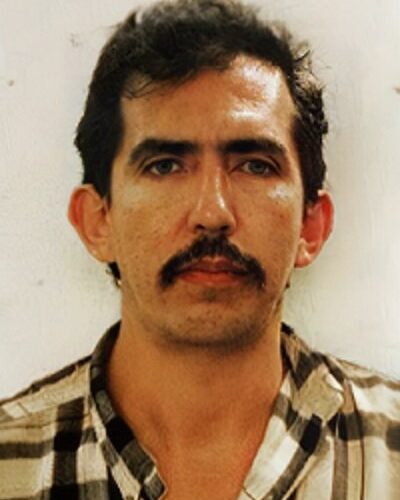
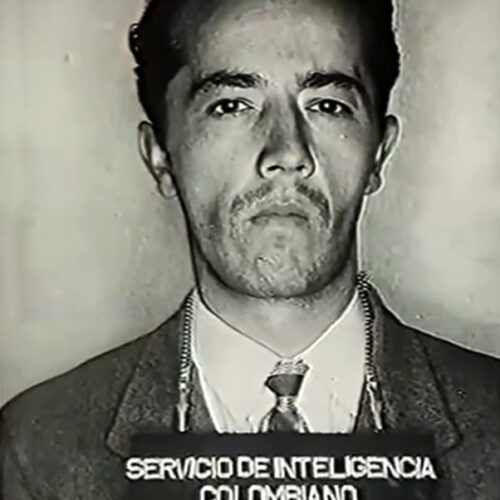
- Perpetrator: Kenneth Allen McDuff (‘The Broomstick Killer’)
- Prior Record: Sentenced to death for 1966 triple murder; paroled in 1989 due to prison overcrowding
- Investigating Agency: Austin Police Department, US Marshals Service, FBI, Texas Rangers
- Apprehension Date: May 4, 1992 (Captured in Kansas City, Missouri)
- Execution Date: November 17, 1998 (Executed by lethal injection in Texas)
On the evening of December 29, 1991, twenty-eight-year-old accounting clerk Colleen Reed was washing her car at a self-service car wash on West 5th Street in Austin, Texas, when she was abducted at gunpoint by notorious serial killer Kenneth Allen McDuff. McDuff had previously been sentenced to death for the infamous 1966 ‘Broomstick Murders’ of three teenagers, only to be paroled in 1989 due to catastrophic prison overcrowding and political corruption. The Colleen Reed murder exposed systemic failures in the Texas Board of Pardons and Paroles, sparking a nationwide FBI manhunt that permanently revolutionized parole laws and victim protection standards across the United States.
The 1966 Broomstick Murders & The Unprecedented Parole
In August 1966, twenty-year-old Kenneth Allen McDuff murdered three teenagers—Robert Brand, Mark Dunnam, and Edna Louise Sullivan—in rural Falls County, Texas. Sullivan was subjected to horrific torture with a broomstick before being shot. McDuff was convicted of capital murder and sentenced to die in the Texas electric chair. However, in 1972, the US Supreme Court’s landmark ruling in Furman v. Georgia invalidated existing death penalty statutes, commuting McDuff’s sentence to life imprisonment.
In 1989, facing federal court mandates regarding unconstitutional prison overcrowding, the Texas Board of Pardons and Paroles controversially granted McDuff parole. Within days of his release, McDuff resumed hunting vulnerable women across Central and East Texas, leaving a trail of abducted and murdered victims.
The Car Wash Abduction & Physical Evidence at the Scene
On Sunday night, December 29, 1991, Colleen Reed stopped at a well-lit car wash on West 5th Street in downtown Austin. Eyewitnesses observed a large, heavyset man force Reed into a brown 1978 Chevrolet Impala while she screamed and fought violently. Witnesses attempted to pursue the vehicle, but the assailant sped onto MoPac Expressway.
Austin Police detectives recovered Reed’s purse, car keys, and half-washed vehicle at the scene. Tire tread impressions and witness descriptions of the Impala’s unique primer patches matched Kenneth McDuff’s vehicle. Informants and associates revealed that McDuff tortured and murdered Reed before burying her remains in a secluded wooded area near Temple, Texas.

The America’s Most Wanted Manhunt & Kansas City Capture
McDuff was placed on the FBI’s Ten Most Wanted Fugitives list. In April 1992, the television program America’s Most Wanted aired a profile on McDuff. Days later, a garbage truck driver in Kansas City, Missouri, recognized his new coworker ‘Richard Fowler’ as the fugitive serial killer.
On May 4, 1992, US Marshals and Kansas City Police surrounded McDuff at a local refuse facility, arresting him without incident. McDuff was extradited to Texas, where he was indicted for multiple capital homicides, including the murder of Melissa Ann Northrup in Waco and Colleen Reed in Austin.
Judicial Trial, Execution & Sweeping Texas Legal Reforms
In 1993, Kenneth McDuff was tried in Travis County and McLennan County. Forensic physical evidence, eyewitness testimony, and testimony from accomplice Alva Hank Worley secured capital murder convictions and a death sentence. While on death row in 1998, McDuff led Texas Rangers to Colleen Reed’s burial site in Bell County.
On November 17, 1998, Kenneth McDuff was executed by lethal injection at the Huntsville Unit. The case prompted the Texas Legislature to pass the ‘McDuff Laws,’ drastically restricting parole eligibility for violent felons, abolishing mandatory release for aggravated offenders, and authorizing the construction of dozens of new maximum-security state prisons.

The Texas Car Wash Abduction & Multi-Agency Pursuit
On the night of December 29, 1991, 28-year-old Colleen Reed was abducted while vacuuming her vehicle at a car wash on Fifth Street in Austin, Texas. Witnesses observed a man forcing a woman into a two-tone Chevrolet Impala before speeding onto Interstate 35. The abduction triggered an intensive investigation led by Austin Police Detective Mike Huckabay and Texas Department of Public Safety investigator Clint Peoples.
Kenneth McDuff, notorious as the only death row inmate in Texas history to be paroled after receiving a death sentence (commuted to life following Furman v. Georgia in 1972), immediately emerged as the prime suspect. McDuff had been paroled in 1989 due to prison overcrowding and quickly resumed a horrific wave of predatory homicides across Central Texas.
Federal Fugitive Task Force & Kansas City Apprehension
Following national television broadcasts on ‘America’s Most Wanted,’ the US Marshals Service established a dedicated fugitive task force. In May 1992, McDuff was tracked to Kansas City, Missouri, where he was working under the alias ‘Richard Fowler’ at a trash collection company. Marshals arrested McDuff without incident, seizing his vehicle and belongings.
Forensic criminalists processed McDuff’s vehicle, uncovering microscopic hair and blood evidence linked to several missing women. In October 1998, a hunter near Palestine, Texas, discovered human remains buried in a shallow grave. Dental record comparisons and skeletal reconstruction definitively identified the remains as Colleen Reed, confirming her cause of death from catastrophic blunt force trauma.
Legislative Overhaul of the Texas Parole System & Execution
Kenneth McDuff was convicted of capital murder for multiple victims and was executed by lethal injection at the Huntsville Unit on November 17, 1998. The Colleen Reed homicide and McDuff’s parole disaster resulted in sweeping legislative reforms across Texas, including the complete restructuring of the Board of Pardons and Paroles, mandatory minimum sentencing laws, and the construction of maximum-security facilities to ensure violent predators could never receive early release.
Central Texas Cold Case Task Force & Interstate Fugitive Tracking
The multi-agency investigation into Colleen Reed’s abduction mobilized federal, state, and municipal law enforcement across four states. The US Marshals Service deployed specialized electronic surveillance and fugitive tracking methodologies, analyzing employment records and alias registrations across the Midwest. The apprehension of Kenneth McDuff in Kansas City closed one of the most urgent manhunts in modern American law enforcement history.
The subsequent forensic excavation near Palestine, Texas, required meticulous physical anthropological methodology. Forensic anthropologists reconstructed skeletal trauma patterns to establish that the fatal injuries occurred prior to burial, providing the Texas Attorney General’s Office with incontrovertible proof of premeditated capital murder.
Criminological Profiling of Paroled Capital Offenders
Criminologists and forensic psychologists at the FBI’s Behavioral Science Unit conducted extensive post-conviction analyses of Kenneth McDuff’s predatory trajectory. The findings established that violent recidivists released after extended incarceration frequently escalate their offenses in both frequency and geographic range.
The resulting case studies directly informed modern risk assessment algorithms and parole evaluation matrixes used by correctional departments throughout North America, ensuring that high-risk violent offenders are subject to stringent, data-driven parole oversight.
Case Timeline & Forensic Milestones
| Date / Period | Investigative Milestone | Forensic Details & Key Evidence |
|---|---|---|
| August 6, 1966 | Broomstick Murders | McDuff murders three teenagers in Falls County; sentenced to death |
| 1972 | Death Sentence Commuted | Supreme Court Furman v. Georgia commutes sentence to life with parole eligibility |
| October 1989 | Controversial Parole | McDuff released on parole due to Texas prison overcrowding crisis |
| December 29, 1991 | Abduction of Colleen Reed | 28-year-old abducted from Austin car wash; serial murder spree escalates |
| May 4, 1992 | Captured in Kansas City | US Marshals arrest McDuff following America’s Most Wanted tip |
| February 1993 | Capital Murder Conviction | McDuff sentenced to death in Texas |
| November 17, 1998 | Execution by Lethal Injection | McDuff executed at Huntsville Unit; leads police to Reed’s burial site |
Related Landmark Cold Cases & Forensic Breakthroughs
Explore related historical criminal investigations, forensic breakthroughs, and genetic genealogy cold case clearances:
- Jennifer Watkins Murder: How Othram DNA Solved the 1999 Colorado Springs Hospital Cold Case: An in-depth analysis of evidence recovery, forensic pathology, and cold case resolution.
- Barbara Blount Disappearance: The Unsolved 2008 Louisiana Rural Cold Case Dossier: An in-depth analysis of evidence recovery, forensic pathology, and cold case resolution.
- Gannon & Snyder Murders: How Othram DNA Solved the 1973 Boston Double Homicide: An in-depth analysis of evidence recovery, forensic pathology, and cold case resolution.
- The Murder of Stacey Stites: Forensic Evidence, Timeline & DNA Analysis in the Rodney Reed Case: An in-depth analysis of evidence recovery, forensic pathology, and cold case resolution.
- The 1975 Disappearance of the Lyon Sisters: How Cold Case Detectives Convicted Richard Welch After 42 Years: An in-depth analysis of evidence recovery, forensic pathology, and cold case resolution.
Frequently Asked Questions About This Case
Why was Kenneth McDuff released from prison after being sentenced to death in 1966?
McDuff’s original death sentence was commuted to life imprisonment following the 1972 Supreme Court ruling in Furman v. Georgia. In 1989, he was granted parole due to severe state prison overcrowding and corrupt parole board practices.
How was Kenneth McDuff captured in 1992?
McDuff was captured in Kansas City, Missouri, after a coworker recognized him from a profile broadcast on the television show America’s Most Wanted and alerted the FBI.
What legal reforms were enacted as a result of the Colleen Reed murder?
The Texas Legislature enacted the ‘McDuff Laws,’ which abolished mandatory parole for violent repeat offenders, created strict truth-in-sentencing requirements, and significantly expanded maximum-security prison capacity.