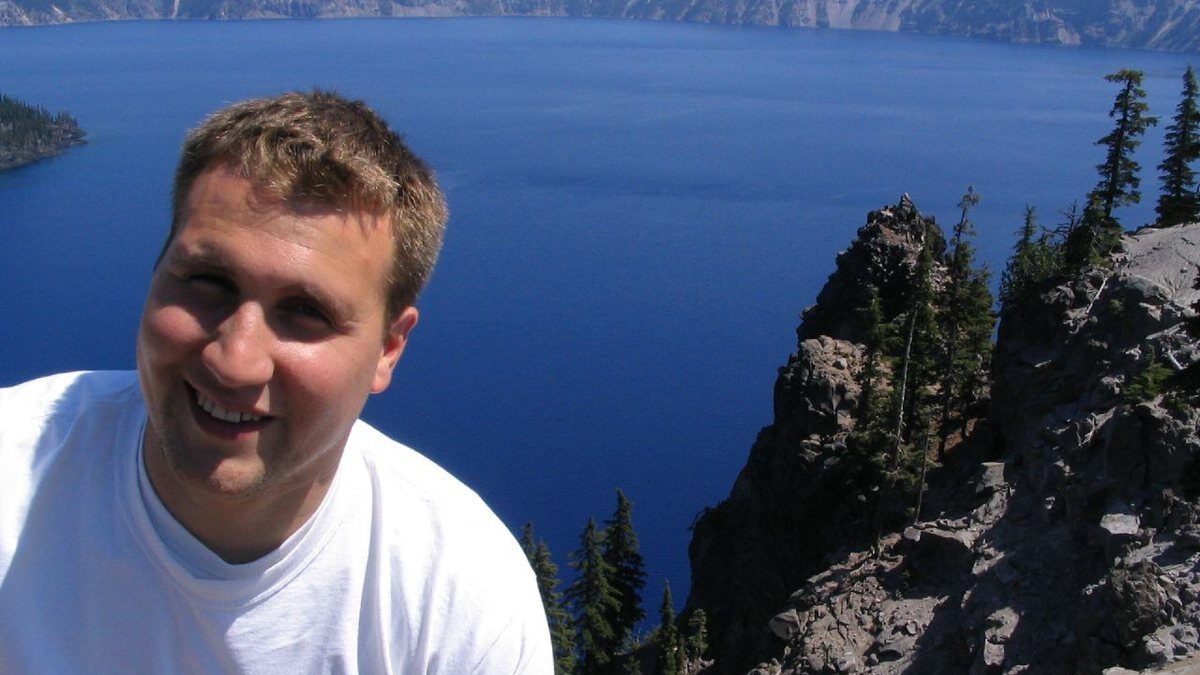
Case File Dossier: James McGraw (1989)
- Victim: James McGraw (Age 63) — Resident of Roseburg, Oregon
- Date of Disappearance: Saturday, September 23, 1989
- Location: Rim Trail / Lightning Springs, Crater Lake National Park, OR
- Terrain Type: Steep volcanic caldera wall, unstable pumice scree, 1,943-foot-deep lake basin
- Primary Investigating Agencies: National Park Service ISB, Klamath County Sheriff’s Office
- Current Status: Active Unsolved Missing Person Cold Case
- Investigation Desk: National Park Disappearances
On the pleasant autumn afternoon of September 23, 1989, 63-year-old Roseburg, Oregon resident James McGraw was visiting the dramatic caldera overlooks of Crater Lake National Park with his family. After walking along the paved Rim Trail near Lightning Springs and admiring the intense azure waters of the deepest lake in the United States, James stepped away from his relatives for a short walk toward an unpaved scenic viewpoint. He never rejoined his family, and despite an exhaustive multi-agency search of the caldera’s treacherous volcanic cliffs, James McGraw vanished without a trace.
Crater Lake occupies a collapsed volcanic caldera formed by the cataclysmic eruption of Mount Mazama 7,700 years ago. Its inner caldera walls plunge vertically up to 2,000 feet straight into the 1,943-foot-deep lake, composed of extremely unstable volcanic ash, crumbling basalt dikes, and loose pumice scree. Stepping off the established rim path presents catastrophic slip-and-fall hazards where an individual can slide hundreds of feet into hidden rock chimneys. Despite extensive ground search grids, technical rope rappels, and aerial helicopter reconnaissance, no clothing, footwear, or remains of James McGraw were ever recovered.

The Family Outing on the Rim Village Trail
James McGraw traveled to Crater Lake on a weekend sightseeing outing with his wife and family. James was in good health, enjoyed landscape photography, and was dressed in casual autumn attire.
Around 2:00 PM, the family was walking along the western section of the Rim Trail between Rim Village and Lightning Springs. James remarked that he wanted to get a closer view of Wizard Island from a slightly elevated rocky knoll. When he failed to return after 30 minutes, his family searched the overlook before notifying park rangers at the Rim Visitor Center.
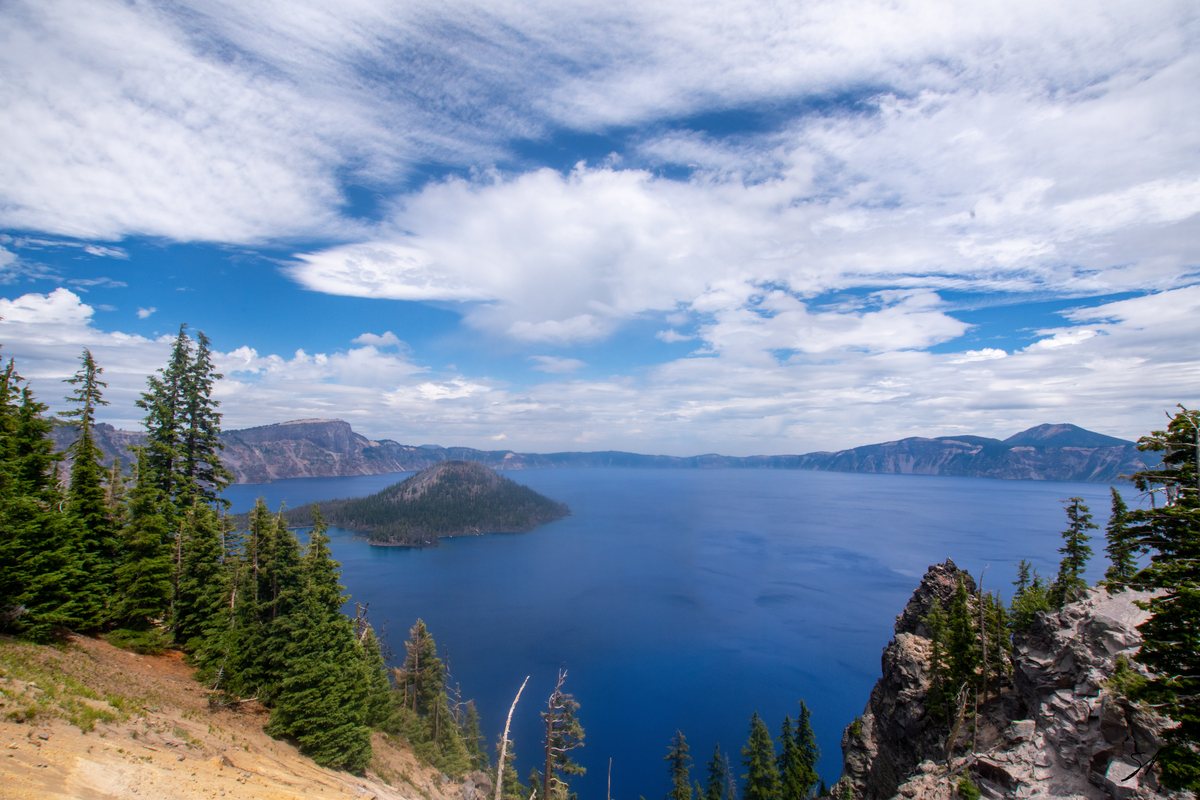
The Intensive Search along Caldera Walls & Lake Surface
The National Park Service and the Klamath County Sheriff’s Search and Rescue unit mobilized an emergency operation:
- Caldera Cliff Rappelling: Elite NPS mountaineers conducted technical rope descents down the sheer pumice and basalt cliffs, inspecting deep fissures, ledges, and caves.
- Watercraft Surface Patrols: NPS patrol boats methodically combed the perimeter shoreline at the base of the caldera cliffs.
- Aviation Support: Oregon State Police helicopters flew low-level passes along the rim escarpment.
The search continued for eight days, but zero physical clues were discovered.
Forensic Hypotheses & Caldera Physics
Park investigators evaluated two primary working theories:
1. Catastrophic Caldera Slide into Deep Water
The inner caldera walls consist of loose volcanic gravel that gives way under foot pressure like ball bearings. A single slip near the rim can trigger an unstoppable slide down a 60-degree slope plunging directly into the near-freezing 1,943-foot-deep waters of Crater Lake. In deep, cold water (38°F), human bodies often sink without resurfacing due to water pressure and low bacterial decomposition.
2. Disorientation into the West Rim Pine Forests
Alternatively, James may have walked westward away from the caldera into the dense lodgepole pine forests flanking Union Peak, perishing from hypothermia in a remote ravine.
Historical Parallels in Crater Lake Cold Cases
The disappearance of James McGraw is part of a storied history of unexplained vanishings around Crater Lake, including the 1998 vanishing of 8-year-old Derrick Engebretson near Pelican Butte.
Current Status & Official Cold Case Tip Reporting
The disappearance of James McGraw remains an active cold case:
Volcanic Caldera Geomorphology of Crater Lake
Crater Lake occupies the massive collapsed caldera of Mount Mazama, a 12,000-foot stratovolcano that violently erupted 7,700 years ago. The inner caldera rim is a near-vertical bowl that plunges 1,000 to 2,000 feet straight into the crystal-clear lake basin below.
The geology of the inner caldera wall is extraordinarily unstable, consisting of loose volcanic pumice, crumbling ash layers, and fractured dacite cliffs. Because the slope angle exceeds 50 to 60 degrees in many locations, a single step onto loose pumice scree can trigger an avalanche of gravel, carrying a hiker down the precipice like ball bearings on concrete.
Hydrological Physics of the Deepest Lake in the United States
Crater Lake is the deepest lake in the United States, reaching an astonishing maximum depth of 1,943 feet (592 meters). The water is renowned for its intense clarity and extreme cold, with sub-surface water temperatures hovering around 38°F (3.3°C) year-round.
In extreme water depths exceeding 1,000 feet with near-freezing temperatures, the physiological processes of decomposition are drastically inhibited. Bacterial action that normally produces gases causing drowned bodies to float to the surface is suppressed by intense hydrostatic pressure and cold. If James McGraw slipped down the inner caldera wall into the lake, his body would sink into the abyssal depths, remaining permanently on the caldera floor where detection by surface watercraft is impossible.
Search Logistics & Technical Caldera Rappels
National Park Service search teams and Klamath County Sheriff’s mountaineers executed dangerous technical rope rappels down the crumbling caldera walls near Lightning Springs. Rescuers were forced to wear rock helmets and establish multi-point anchors to prevent triggering rockfalls onto search boats patrolling the water below. Despite eight days of intensive searching covering both the inner rim cliffs and outer forested slopes, no trace of James McGraw was ever found.
Forensic Cold Case Inquiries at Crater Lake
The National Park Service maintains James McGraw as an open cold case missing person. Periodic side-scan sonar mapping and submersible research dives conducted in Crater Lake are cross-referenced with historical missing-person files. Park officials emphasize that visitors must strictly remain behind rock guardrails and stone walls along the caldera rim at all times.
Sub-Surface Thermal Imaging & Acoustic Probes in Deep Volcanic Lakes
In subsequent decades, limnological research expeditions utilizing autonomous underwater vehicles (AUVs) and high-resolution multi-beam sonar have mapped the sub-lacustrine volcanic features of Crater Lake, including hydrothermal vents, submerged caldera cones, and massive underwater debris fields.
These bathymetric surveys reveal that the lake floor is blanketed in thick layers of fine volcanic sediment that can quickly cover submerged organic objects. The extreme depth, cold, and sedimentation make recovery of human remains virtually impossible without specialized deep-ocean salvage equipment, preserving the mystery of James McGraw for generations.
The Cataclysmic Volcanology of Mount Mazama & Crater Lake
Crater Lake was forged approximately 7,700 years ago during the cataclysmic collapse of Mount Mazama, an ancient 12,000-foot stratovolcano. The resulting caldera is an immense volcanic crater measuring six miles across, surrounded by near-vertical cliffs that plunge up to 2,000 feet directly into the water.
The inner caldera walls are composed of extremely unstable volcanic layers, including loose pumice scree, crumbly andesitic ash, and sheer dacite rock towers. Because the slopes frequently exceed a 50-degree incline, any step off the established viewing paths can trigger a massive gravel slide, sending a hiker tumbling into the abyssal depths below.
The Abyssal Physics & Preservation of Deep Volcanic Waters
Reaching a maximum depth of 1,943 feet (592 meters), Crater Lake is the deepest body of water in the United States. Its waters are exceptionally pure, cold, and dark, with bottom temperatures remaining near 38°F (3.3°C) under hydrostatic pressures exceeding 800 pounds per square inch.
In these abyssal conditions, standard biological decomposition is drastically slowed. Unlike shallow lakes where drowned bodies generate gases and float to the surface, bodies submerged in Crater Lake’s extreme depths sink to the volcanic floor and remain permanently preserved in the cold darkness. This geological reality explains why no physical trace of James McGraw has ever resurfaced.
Sub-Caldera Talus Hazards & Deep Dive Explorations
The sub-surface topography of Crater Lake features submerged caldera cliffs, hydrothermal vents, and vast underwater talus cones. Scientific research dives conducted using deep-diving submersibles (such as the *Deep Rover* missions) revealed that the underwater slopes continue to plunge at extreme 45-degree angles to the lake bottom, covered in thick layers of fine volcanic sediment.
Any object or person entering the water from the inner caldera rim would slide along these submerged volcanic chutes into the abyssal plain, where water clarity and intense cold prevent surface discovery. The case of James McGraw remains a solemn reminder of the profound verticality and unseen depths of the Crater Lake caldera.
Information on the James McGraw Disappearance
Please contact the official investigative agency:
- Crater Lake National Park Headquarters: (541) 594-3000
- Klamath County Sheriff’s Office: (541) 883-5130
- NPS ISB Tip Line: Call/Text 888-653-0009 | Email:
[email protected] - True Crime Stories Tip Desk: Submit a confidential lead online.
Wilderness Search Protocols & Topographic Grid Analysis
Search and rescue operations in vast federal wilderness reserves present unique logistical, environmental, and physical challenges for search teams. Ground search personnel must navigate dense alpine undergrowth, steep scree fields, and rapid weather transitions that can obliterate physical tracks within hours. Modern wilderness SAR doctrine combines high-resolution FLIR aerial mapping, trained scent-tracking K9 units, and predictive lost-person behavioral models to maximize search coverage in high-risk zones.
Related Investigations & Forensic Dossiers
Explore additional comprehensive cold case analyses and historical investigations: