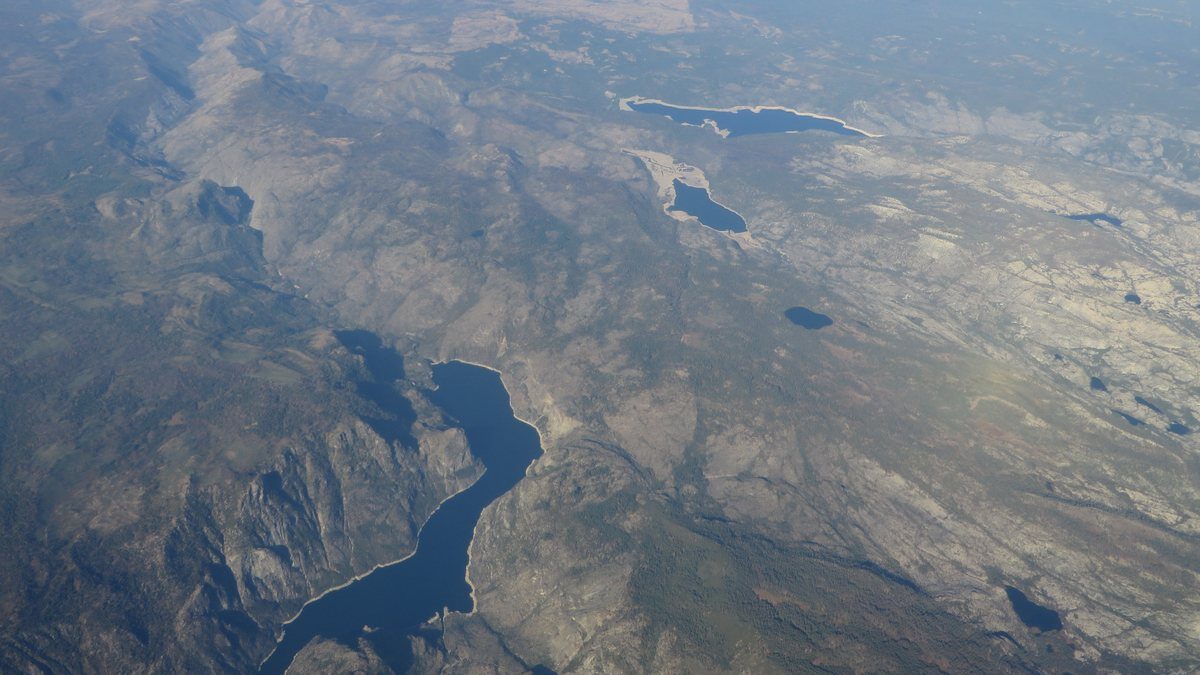
Case File Dossier: Michael Lee Ficery (2005)
- Victim: Michael Lee Ficery (Age 51) — Experienced Solo Backpacker
- Date of Disappearance: Wednesday, June 15, 2005
- Location: Tiltill Valley / Rancheria Falls / Hetch Hetchy, Yosemite National Park, CA
- Gear Recovered: External-frame backpack, water filter, digital camera found off-trail near Pacific Crest Trail
- Primary Investigating Agencies: National Park Service ISB, Tuolumne County Sheriff, YOSAR
- Current Status: Active Unsolved Missing Person Cold Case
- Investigation Desk: National Park Disappearances
In June 2005, 51-year-old veteran solo wilderness trekker Michael Lee Ficery embarked on a multi-day backcountry loop through the rugged northern wilderness of Yosemite National Park, departing from the Hetch Hetchy reservoir. Permitted for a strenuous route traversing Tiltill Valley, Rancheria Mountain, and Vernon Lake, Michael was scheduled to exit the backcountry on June 19. When he failed to return, Yosemite Search and Rescue (YOSAR) launched a massive aerial and ground operation. Days later, searchers made an astonishing discovery: Michael’s heavy backpack and camera were found neatly placed near a remote creek crossing—but Michael was nowhere to be found.
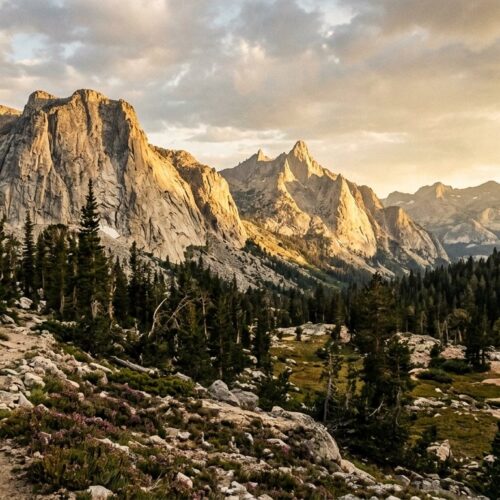
The Hetch Hetchy and Tiltill Valley region of Yosemite represents one of the most rugged, high-relief wilderness sectors in the Sierra Nevada. In June 2005, an extraordinary winter snowpack was rapidly melting under high summer temperatures, swelling mountain creeks into raging, freezing whitewater torrents. Despite a seven-day tactical search deploying over 90 elite YOSAR mountaineers, specialized tracking dogs, and helicopter infrared sweeps, no trace of Michael Ficery has ever been uncovered.
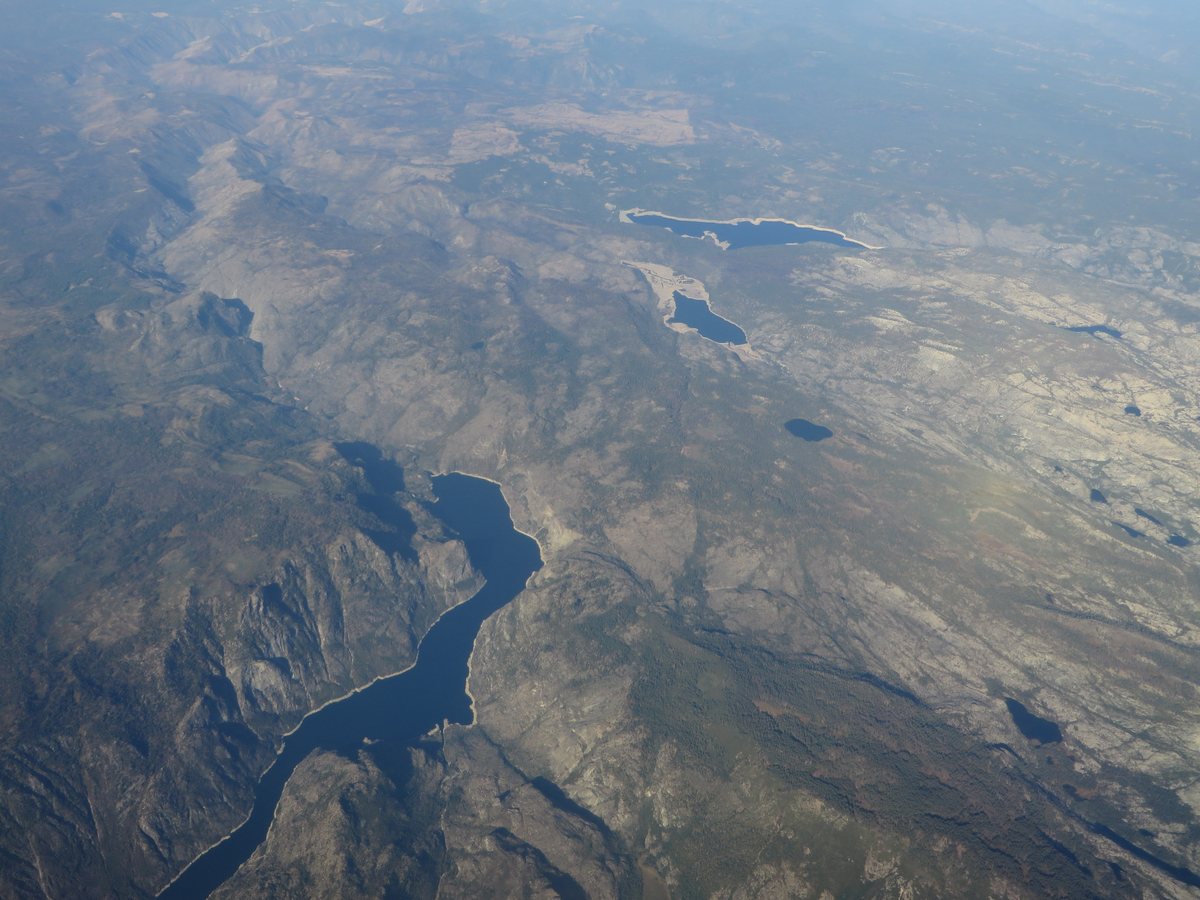
The Solo Backcountry Itinerary from Hetch Hetchy
Michael Ficery was a passionate, experienced solo backpacker from Santa Barbara, California, who had completed numerous extended Sierra Nevada wilderness treks. On June 12, 2005, Michael registered a wilderness permit at the Hetch Hetchy entrance station for a planned 4-night loop: ascending past Wapama Falls and Rancheria Falls, climbing into the secluded subalpine meadow of Tiltill Valley, traversing north toward Lake Vernon, and returning via Beehive Meadow.
On June 15, fellow backpackers encountered Michael near the junction of the Tiltill Valley and Rancheria trails. Witnesses noted that he was in high spirits, navigating with a topographic map, and making steady progress.
When Michael failed to return to his vehicle on June 19, park rangers initiated an immediate emergency response.
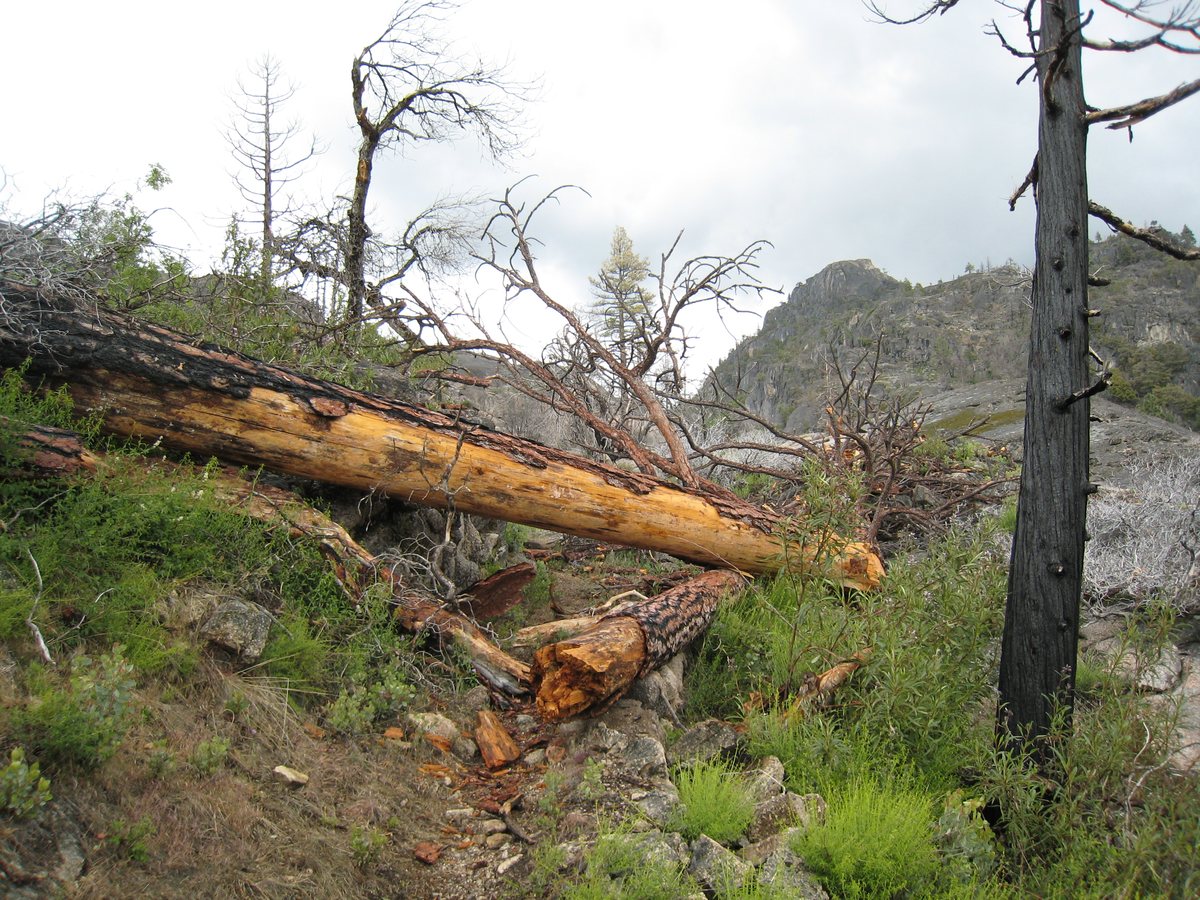
The Discovery of Ficery’s Backpack & YOSAR Search
On June 21, a YOSAR search dog team made a major evidentiary breakthrough: they discovered Michael’s external-frame backpack resting against a granite boulder near the high-water crossing of Rancheria Creek.
- Backpack Condition: The pack contained his sleeping bag, tent, camp stove, digital camera, and extra food supplies. It had been intentionally removed and set upright beside the trail.
- Camera Evidence: Forensic examination of the recovered digital camera revealed recent scenic photographs taken by Michael along the Tiltill Valley trail, showing high water levels at river crossings.
- Tactical Search Sweeps: Over 90 searchers, technical swiftwater rescue teams, and search helicopters combed the raging rapids of Rancheria Creek and Falls down to the Hetch Hetchy reservoir.
Despite intense searching, no sign of Michael’s body or clothing was ever located.
Forensic Hypotheses & Swiftwater Dynamics
Search specialists and park rangers evaluated the physical evidence:
1. High-Water River Ford Accident
The leading forensic hypothesis is that Michael removed his heavy backpack to scout or attempt a dangerous ford of the swollen, high-velocity Rancheria Creek. During high spring runoff, mountain creeks carry freezing snowmelt with tremendous force. If Michael slipped on submerged, mossy granite boulders, the current would have swept him over Rancheria Falls and trapped his body beneath massive underwater logjams or subterranean granite siphons.
2. Terrestrial Fall into Granite Chasm
Another possibility is that while scouting an alternative crossing point unencumbered by his pack, Michael slipped on an exposed granite ledge and tumbled into an inaccessible ravine.
Historical Parallels in Yosemite Mysteries
Michael Ficery’s case shares profound similarities with other famous Yosemite disappearances, including the 1981 vanishing of Stacey Arras at Sunrise Camp and the 2011 vanishing of George Penca at Yosemite Falls.
Current Status & Official Cold Case Tip Reporting
The disappearance of Michael Lee Ficery remains an active cold case:
The Hydrology of High Snowmelt Runoff in Northern Yosemite
The northern wilderness of Yosemite National Park surrounding Hetch Hetchy, Tiltill Valley, and Rancheria Falls is one of the most rugged, water-sculpted landscapes in the Sierra Nevada. In June 2005, the Sierra Nevada was experiencing the melt of a record-setting 200% winter snowpack, filling mountain streams to historic flood levels.
Rancheria Creek, which drains a massive high-altitude watershed including Vernon Lake and Branigan Lake, was a roaring, churning torrent of freezing snowmelt rushing over granite cascades into Hetch Hetchy reservoir. Stream velocity during peak runoff can exceed 20 miles per hour, creating hydraulic pressures of hundreds of pounds per square inch against any submerged object.
Forensic Reconstruction of the Backpack Discovery
The discovery of Michael Ficery’s external-frame backpack resting neatly against a granite boulder beside Rancheria Creek provided crucial forensic evidence regarding his final moments. The pack was not damaged, submerged, or dropped in panic; it had been intentionally unbuckled and propped upright against a dry rock beside the trail.
Inside the backpack, searchers found his tent, sleeping bag, water purification filter, camp stove, and food supplies. Forensic investigators concluded that Michael had intentionally shed his heavy pack to scout the hazardous river crossing or attempt a ford unencumbered. Stepping into the freezing, high-velocity current on slick, algae-covered granite bedrock, he was instantly swept off his feet and carried downstream over the plunging waterfalls of Rancheria Falls.
Swiftwater Search & Submerged Logjam Hazards
Yosemite Search and Rescue (YOSAR) deployed specialized swiftwater rescue personnel equipped with drysuits, throw bags, and underwater camera probes to inspect the violent gorges of Rancheria Creek. Below Rancheria Falls, the creek channels into massive, submerged logjams containing hundreds of old-growth pine trunks wedged beneath thousands of tons of rushing water.
In high-velocity whitewater, submerged logjams function as “strainers”—allowing water to pass through while trapping submerged bodies beneath tons of river timber. Technical divers were unable to penetrate the violent hydraulic churn, leaving Michael Ficery’s case as an enduring example of the lethal hazards of Sierra Nevada spring runoff.
The Legacy of Yosemite Backcountry River Crossings
The Michael Ficery case is prominently featured in Yosemite National Park wilderness orientation briefings, serving as a vital warning regarding the hazards of early-summer stream crossings. Backpackers are instructed on unbuckling pack hipbelts prior to fording, scouting wider upstream braided channels, and turning back when water levels exceed knee height on swift currents.
Forensic Analysis of Recovered Digital Memory Cards
Yosemite forensic specialists analyzed the digital camera recovered inside Michael’s backpack, downloading dozens of high-resolution digital photographs taken during the first three days of his trek. The images captured pristine alpine landscapes, trail signs along the Tiltill Valley path, and wide-angle views of swollen creek crossings.
The final image, captured on the morning of June 15, showed the churning whitewater of Rancheria Creek rushing over polished granite slabs. The photograph demonstrated that water levels were exceptionally high, corroborating investigators’ conclusion that Michael was scouting a route across the violent torrent when the fatal accident occurred.
The High Sierra Snowmelt Dynamics of Hetch Hetchy
The northern backcountry of Yosemite National Park around Hetch Hetchy, Tiltill Valley, and Rancheria Falls is defined by immense granite canyons sculpted by ancient glaciers and roaring snowmelt streams. During the record-breaking snowmelt season of June 2005, mountain creeks carried immense volumes of freezing runoff from the high peaks of the Clark Range.
Rancheria Creek at peak runoff becomes an impassable whitewater torrent flowing over polished granite bedrock. Stream currents can exceed 15 to 20 miles per hour, creating powerful hydraulic forces that can instantly knock an adult off their feet. On slick, algae-covered granite, recovering balance is impossible, and victims are swept over cascading waterfalls into deep, churning river pools.
Swiftwater Logjam Traps & Forensic Case Review
Below Rancheria Falls, the creek flows through dense underwater logjams formed by decades of fallen timber. In swiftwater rescue hydrology, these submerged logjams act as natural strainers, allowing water to pass through while trapping submerged objects beneath massive logs under tons of continuous water pressure.
The discovery of Michael Ficery’s backpack resting neatly beside the creek confirmed that he was scouting a route across the hazardous crossing when he lost his footing. The case remains a poignant reminder of the supreme hazards of High Sierra stream crossings during the early summer snowmelt season.
Information on the Michael Ficery Disappearance
Please contact the official investigative agency:
- Yosemite National Park Dispatch: (209) 379-1992
- NPS ISB Tip Line: Call/Text 888-653-0009 | Email:
[email protected] - Tuolumne County Sheriff’s Office: (209) 533-5815
- True Crime Stories Tip Desk: Submit a confidential lead online.
Wilderness Search Protocols & Topographic Grid Analysis
Search and rescue operations in vast federal wilderness reserves present unique logistical, environmental, and physical challenges for search teams. Ground search personnel must navigate dense alpine undergrowth, steep scree fields, and rapid weather transitions that can obliterate physical tracks within hours. Modern wilderness SAR doctrine combines high-resolution FLIR aerial mapping, trained scent-tracking K9 units, and predictive lost-person behavioral models to maximize search coverage in high-risk zones.
Related Investigations & Forensic Dossiers
Explore additional comprehensive cold case analyses and historical investigations: