Case File Dossier: James Randall “Randy” Morgenson (1996)
- Victim: James Randall “Randy” Morgenson (Age 54) — Legendary Senior Backcountry Ranger
- Date of Disappearance: Sunday, July 21, 1996
- Date of Discovery: July 15, 2001 (Remains identified in 2001)
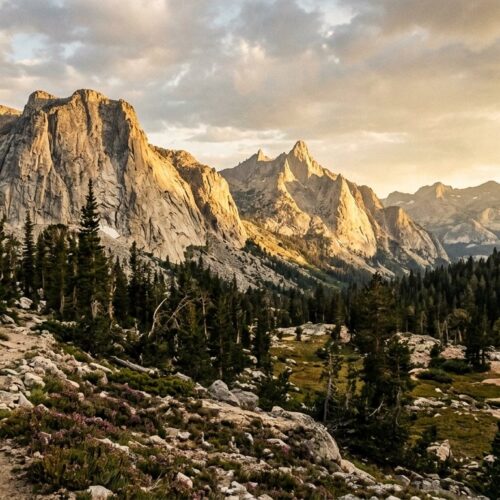
- Location: Evolution Basin / McCall Bluff, Kings Canyon National Park, CA
- Experience Level: 28 seasons as backcountry ranger; master mountaineer and survival instructor
- Primary Investigating Agencies: National Park Service ISB, Inyo County Sheriff, Fresno County Sheriff
- Current Status: Solved Cold Case / Accidental Death in Line of Duty
- Investigation Desk: National Park Disappearances
On the morning of July 21, 1996, 54-year-old James Randall “Randy” Morgenson—the most experienced and revered backcountry seasonal ranger in the history of Sequoia and Kings Canyon National Parks—stepped away from his high-elevation ranger cabin at McClure Meadow in the remote Evolution Basin. Leaving a handwritten note on his tent advising fellow rangers that he would return by July 24 or 25, Randy embarked on a solo backcountry patrol along the rugged granite passes of the High Sierra. When he failed to make his mandatory evening radio check-ins, the National Park Service launched the most extensive and emotionally intense search operation in Sierra Nevada history.
Randy Morgenson was not merely an outdoor enthusiast; he was the undisputed master of the High Sierra backcountry. Having served 28 consecutive seasons traversing every off-trail pass, glacial cirque, and granite col in Kings Canyon, he had personally rescued dozens of stranded mountaineers and was intimately familiar with every hazard of alpine survival. His sudden, complete disappearance sparked intense national media scrutiny, rumors of intentional self-exile or suicide, and a five-year forensic mystery that was only resolved when a trail crew made an accidental discovery beneath a remote waterfall cascade.
The Legend of the High Sierra Backcountry Ranger
Randy Morgenson grew up in the shadow of Yosemite’s granite walls, the son of a National Park Service naturalist and photographer who worked alongside Ansel Adams. From early childhood, Randy developed an almost spiritual reverence for the Sierra Nevada wilderness. Joining the National Park Service in the late 1960s, he became a fixture of the high country, establishing his patrol headquarters in the subalpine sanctuary of Evolution Valley at 9,500 feet elevation.
As a seasonal ranger, Randy spent four months every summer patrolling tens of thousands of acres of roadless wilderness on foot. His responsibilities included trail maintenance, monitoring wilderness permits, conducting backcountry rescues, and educating hikers along the John Muir Trail and Pacific Crest Trail. Fellow rangers and wilderness enthusiasts regarded Randy as a living encyclopedia of mountain lore, possessing unmatched stamina and an extraordinary sixth sense for navigating alpine terrain.
However, the summer of 1996 was characterized by profound personal turmoil for Morgenson. His marriage of over two decades was dissolving, and he was struggling with deep emotional fatigue regarding the future of wilderness conservation. Despite these personal burdens, Randy reported for duty at McClure Meadow in late June, preparing for his standard seasonal patrol circuit across the Evolution Basin.
The Disappearance from McClure Meadow Cabin
On Sunday, July 21, 1996, Randy prepared to depart on a multi-day scouting patrol across the upper lakes of the Evolution Basin toward Colby Meadow and the jagged crests flanking Mount Darwin and Mount Goddard. Before leaving his outpost, he pinned a brief note to his tent fly: “Back 7/24 or 7/25”. He carried his standard ranger equipment: an olive-drab daypack, government-issued hand-held two-way radio, first-aid kit, water purification tablets, and his personal notebook.
When July 24 arrived with no radio contact from Morgenson, park dispatch in Ash Mountain initially assumed he had extended his patrol. However, when 5:00 PM on July 25 passed without his scheduled evening check-in, park officials recognized a critical emergency. A ranger of Randy’s caliber never missed radio protocol without catastrophic cause.
The Massive 12-Day Search Operation
The National Park Service mobilized the largest and most complex search and rescue mission in the history of Sequoia and Kings Canyon National Parks. Because Morgenson was deeply loved throughout the agency, searchers arrived from Yosemite, Grand Canyon, Yellowstone, and Rocky Mountain national parks, determined to locate their colleague.
- Aviation Fleet: Six military and civilian helicopters conducted continuous low-level aerial grids over every glacial cirque, talus slope, and alpine lake between Muir Pass and Piute Pass.
- Elite Mountaineering Units: Over 100 seasoned backcountry rangers and mountain rescue specialists climbed technical routes across Mount Darwin, The Hermit, Mount McGee, and Goddard Canyon.
- Canine SAR Teams: High-altitude search dogs swept the John Muir Trail and all off-trail routes radiating from McClure Meadow.
- The Mysterious Radio Click: During the search, dispatchers recorded an unmodulated keying of a park radio frequency—a brief “click” that matched the signal characteristics of Randy’s handheld unit. Despite triangulating the signal toward the Goddard Creek drainage, ground teams found nothing.
After twelve exhaustive days and hundreds of thousands of dollars expended, the official search operation was suspended on August 5, 1996. No physical trace of Randy Morgenson was found.
Forensic Theories & The Blehm Investigation
In the absence of physical evidence, speculation regarding Randy’s fate divided the mountaineering community:
1. Intentional Disappearance or Suicide
Given his emotional distress regarding his divorce, some theorists argued that Randy chose to walk into the wilderness to end his life or stage a disappearance to start an anonymous existence in Latin America. However, close friends insisted that Randy’s profound moral integrity and respect for his fellow rangers made it unthinkable that he would subject his colleagues to a hazardous search operation.
2. Foul Play from Poachers or Fugitives
Another theory suggested Randy may have stumbled upon illegal marijuana growers or wildlife poachers operating in the remote backcountry and was killed to prevent reporting. Yet extensive investigative canvassing revealed no illicit activities in the high-altitude granite terrain of Evolution Basin.
3. Accidental Alpine Misadventure
The leading hypothesis among veteran alpine rangers was that even a master mountaineer remains vulnerable to the unforgiving physics of the High Sierra: a hidden crevasse, a collapsing snow bridge over a raging glacial stream, or sudden rockfall on an unstable scree slope.
The 2001 Discovery & Case Resolution
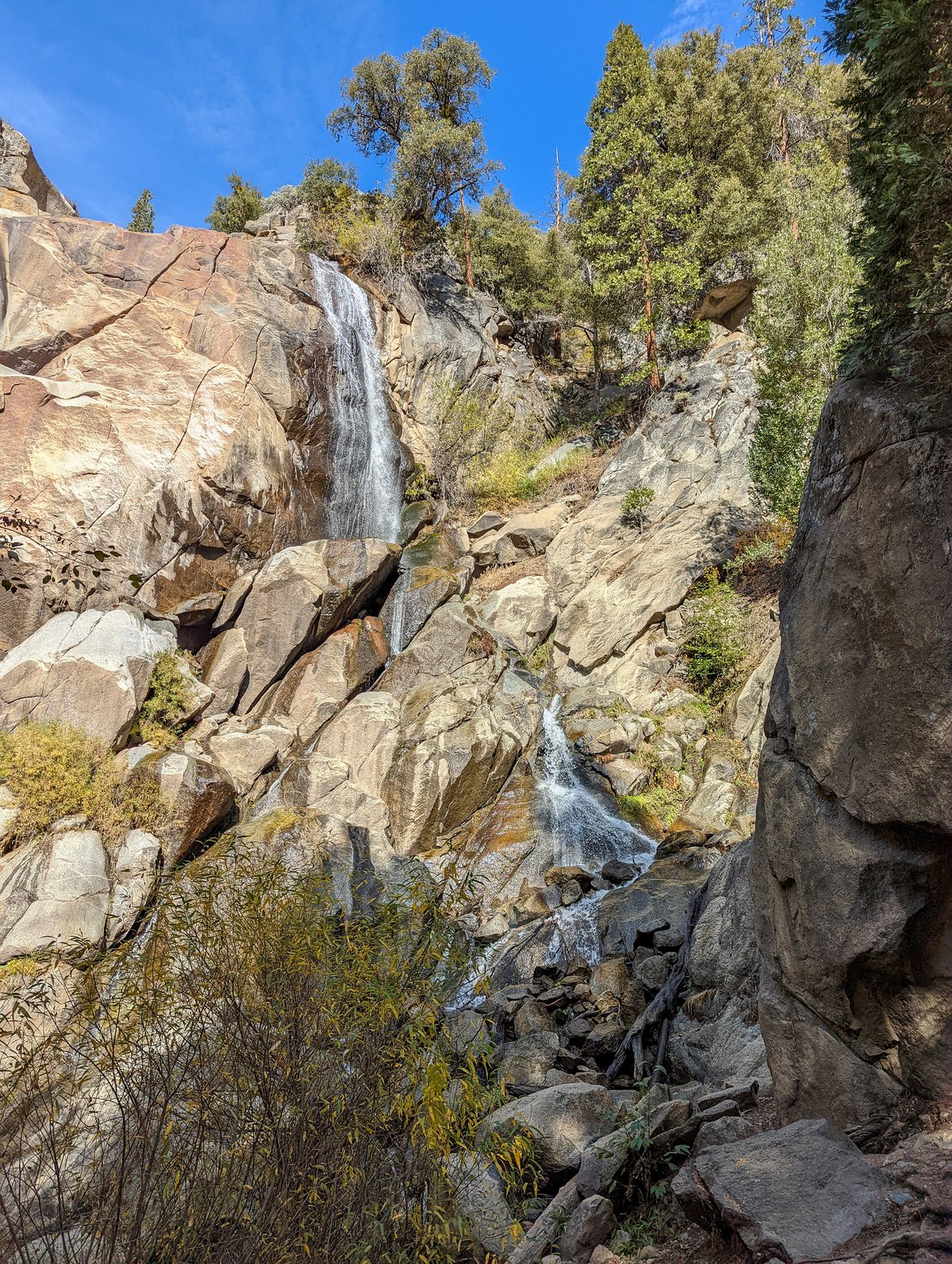
On July 15, 2001—almost exactly five years after Randy’s disappearance—a trail maintenance crew was working along a remote section of the drainage below McCall Bluff, near the junction of Evolution Creek and the San Joaquin River. A worker spotted a weathered, sun-bleached object wedged between submerged granite boulders at the base of a roaring alpine waterfall.
Investigating further, park rangers recovered a fractured human leg bone inside a weathered ranger boot, along with Randy Morgenson’s government-issued radio, pinned beneath thousands of pounds of rushing glacial runoff under what had been a seasonal snow bridge. Forensic analysis confirmed the remains were Randy’s.
Forensic reconstruction demonstrated that on July 21, 1996, Randy was crossing a high-altitude snow bridge over the swollen creek. The snow bridge suffered a catastrophic collapse, plunging him into the freezing, high-velocity glacial torrent where he was swept over a waterfall, suffered fatal trauma, and became pinned under submerged boulders beneath tons of winter ice—rendering him completely invisible to search teams and aerial sweeps.
Legacy & Lessons for Wilderness Safety
The story of Randy Morgenson—immortalized in author Eric Blehm’s bestselling investigative book The Last Season—serves as a timeless testament to the beauty and lethal unpredictability of the high wilderness. Even with three decades of supreme backcountry mastery, nature’s elemental forces demand absolute humility.
The Legendary Backcountry Ranger of Evolution Valley
To understand the profound impact of Randy Morgenson’s disappearance on the National Park Service, one must appreciate his stature in American wilderness conservation. Born in Yosemite Valley where his father worked with legendary photographer Ansel Adams, Randy grew up immersed in the spiritual and physical reality of the Sierra Nevada mountains. He was not a casual seasonal employee; he was a master naturalist, an expert climber, and an elite backcountry survivalist who dedicated 28 summers to safeguarding the pristine high country of Sequoia and Kings Canyon National Parks.
Operating out of his primitive tent cabin at McClure Meadow in Evolution Valley, Randy was responsible for patrolling hundreds of square miles of roadless alpine terrain above 9,000 feet. He was revered by long-distance hikers along the John Muir Trail and Pacific Crest Trail for his gentle wisdom, encyclopedic knowledge of alpine ecology, and legendary stamina. He had personally led dozens of technical search-and-rescue operations, saving the lives of injured climbers and lost backpackers.
The Five-Year Forensic Enigma & Investigative Theories
When Randy vanished in July 1996, the absence of physical evidence sparked unprecedented speculation across the mountaineering community. Author Eric Blehm documented the exhaustive multi-year investigation in his acclaimed book The Last Season, exploring the psychological, emotional, and physical dimensions of the case:
- Personal Turmoil & The Intentional Exile Theory: In the months prior to the 1996 season, Randy had faced personal heartbreak as his long-term marriage dissolved. Some investigators initially questioned whether Randy had deliberately walked out of the wilderness to start a new, anonymous life in South America. However, colleagues who knew Randy’s deep devotion to the ranger service vehemently rejected this idea, noting that Randy would never abandon his post or subject his fellow rangers to a hazardous search.
- The Illicit Poacher / Narcotics Encounter: Investigators also explored whether Randy had stumbled upon armed poachers or illegal marijuana operations in remote canyons. However, extensive federal inquiries found zero evidence of criminal activity in the high-altitude granite cirques of Evolution Basin.
- The Nature of Alpine Hazards: Veteran mountaineers maintained that even the most skilled alpinist remains vulnerable to spontaneous natural hazards in the High Sierra: sudden rockfall, snow bridge collapses, or rapid hypothermia during high-altitude summer storms.
The 2001 Discovery Beneath the McCall Bluff Waterfall
The mystery was finally solved on July 15, 2001, when a backcountry trail maintenance crew was working along the roaring gorge below McCall Bluff near the confluence of Evolution Creek and the San Joaquin River. A trail worker spotted a weathered, sun-bleached object wedged between massive submerged granite boulders at the base of a cascading waterfall.
Park rangers arrived on scene and recovered Randy’s government-issued handheld radio, his ranger badge, and skeletal remains pinned beneath tons of rushing glacial water. Forensic reconstruction determined that on July 21, 1996, Randy was crossing a high-altitude snow bridge over the swollen creek. The snow bridge suffered a catastrophic structural collapse, plunging him into the freezing, high-velocity torrent where he was swept over the waterfall and pinned beneath submerged boulders under seasonal ice—explaining why aerial helicopters and ground searchers were unable to detect his body during the 1996 search.
National Park Historical Archives & Cold Case Inquiries
If you are researching historical National Park Service cold cases or have information regarding unsolved wilderness disappearances, please contact:
- Sequoia & Kings Canyon National Parks Headquarters: (559) 565-3341
- NPS Investigative Services Branch (ISB): Call/Text 888-653-0009 | Email:
[email protected] - True Crime Stories Cold Case Desk: Submit an investigative inquiry.
Related National Park Disappearances & Cold Cases
Explore additional comprehensive wilderness missing persons dossiers and historical cold case investigations: