Case File Dossier: Peter “Pete” Daniels (1975)
- Victim: Peter “Pete” Daniels (Age 32) — Experienced Wilderness Backpacker
- Date of Disappearance: Sunday, October 19, 1975
- Location: Dosewallips River Trail / Bear Camp Shelter, Olympic National Park, WA
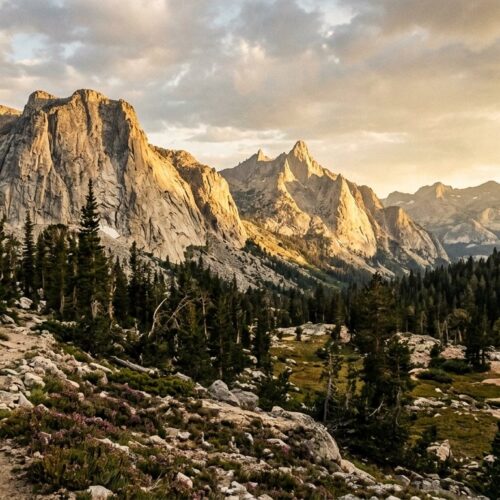
- Terrain Type: Temperate rainforest, glacial river gorge, alpine sub-canopy
- Equipment Recovered: Multi-day backpack, sleeping bag, and provisions left inside shelter
- Primary Investigating Agencies: National Park Service ISB, Jefferson County Sheriff’s Office
- Current Status: Active Unsolved Missing Person Cold Case
- Investigation Desk: National Park Disappearances
In mid-October 1975, 32-year-old experienced Pacific Northwest backpacker Peter “Pete” Daniels embarked on a multi-day solo trek into the temperate rainforest and rugged interior valleys of Olympic National Park in Washington State. Setting out along the swollen Dosewallips River corridor toward Anderson Pass, Daniels established camp at the remote Bear Camp Shelter. When a fierce early-season winter storm blanketed the Olympic highlands in torrential rains and heavy mountain snow, Pete failed to return. Park rangers later found his backpack, sleeping gear, and dried provisions undisturbed inside the wooden shelter—but Pete Daniels had vanished without a trace.
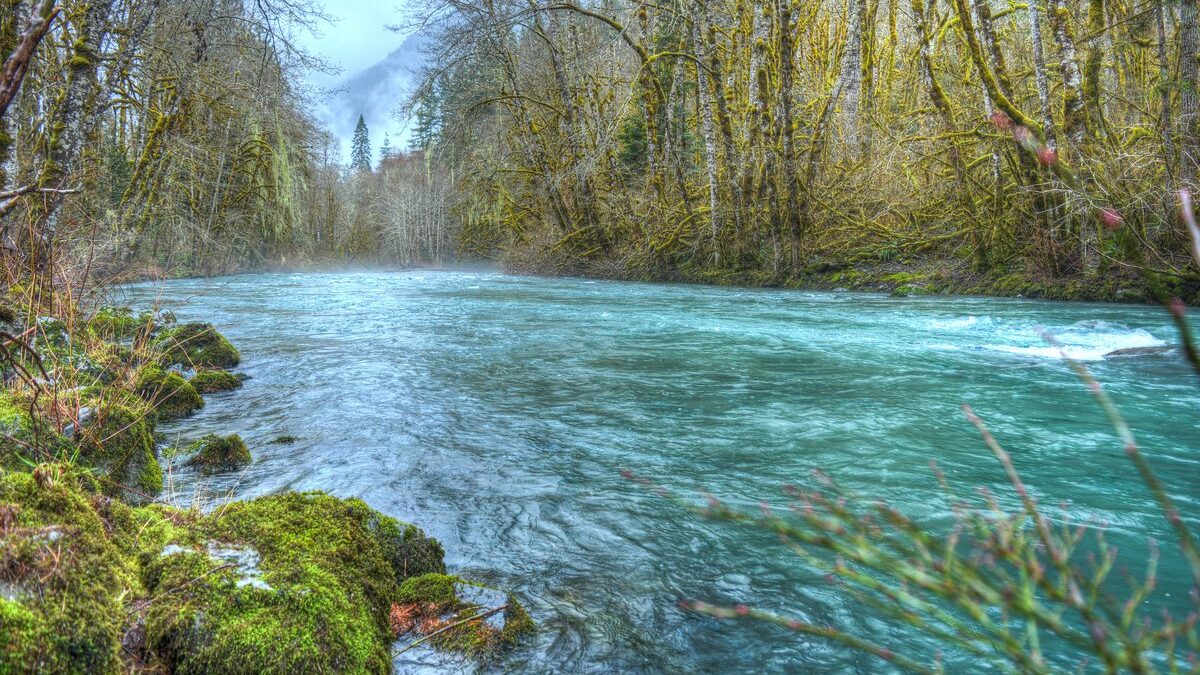
The Olympic Peninsula interior encompasses some of the most impenetrable, high-precipitation temperate wilderness on the planet. Defined by ancient moss-draped Douglas firs, 200-foot-tall western redcedars, cascading glacial torrents, and vertical canyon walls, the park presents extreme terrain traps for any traveler. Despite weeks of intensive searches by National Park Service rangers, mountain rescue units, and military aviation teams traversing deep alpine snowpacks, no physical clue pointing to Pete Daniels’ fate has ever been recovered.
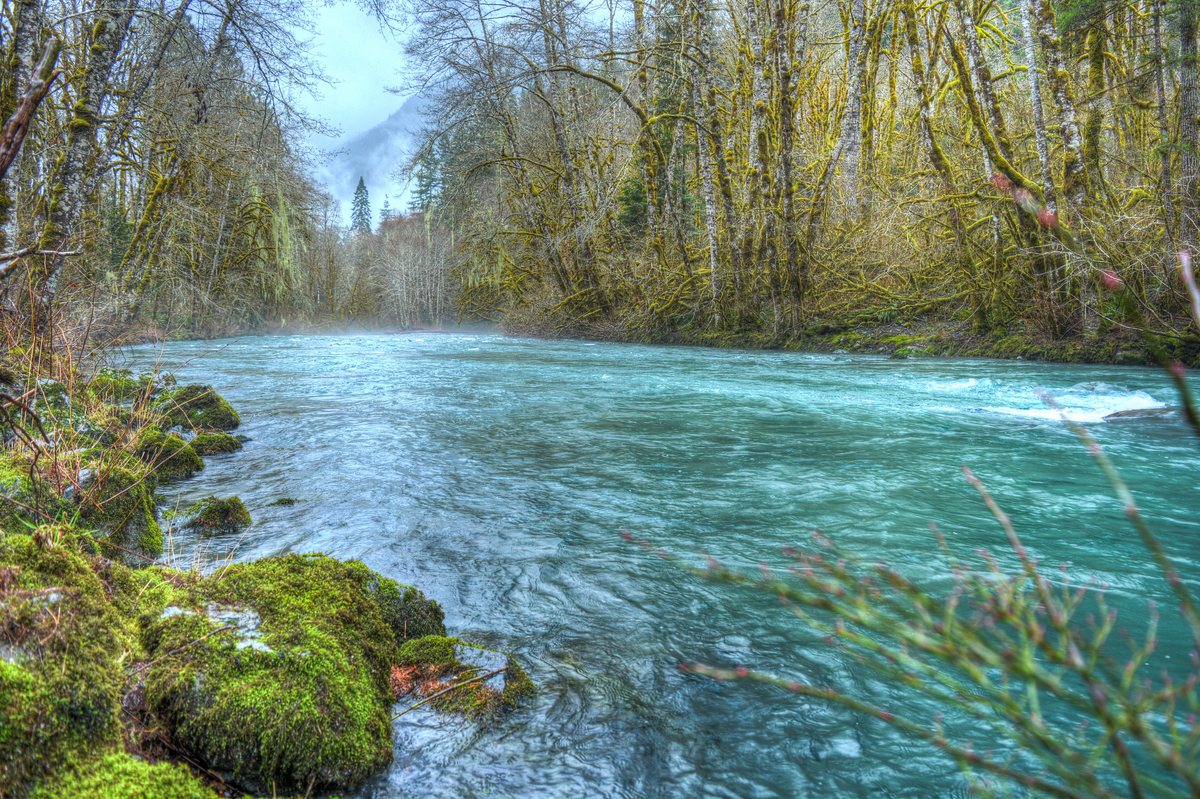
The Solo Autumn Expedition into the Dosewallips Drainage
Pete Daniels was a seasoned outdoorsman who had hiked extensively across the Cascade and Olympic ranges. Knowing that autumn in the Pacific Northwest brought rapidly shifting weather, he was well-equipped with foul-weather gear, high-calorie trail rations, and thermal insulation.
On October 15, Daniels registered a backcountry itinerary at the Dosewallips Ranger Station, outlining a plan to follow the Dosewallips River Trail westward into the high country, crossing over Anderson Pass or Hayden Pass. On October 18, a powerful Pacific frontal system slammed into the Olympic Peninsula, dumping torrential rain at lower elevations and depositing heavy, wet snow above 3,500 feet.
When Daniels failed to emerge from the backcountry by his planned exit date of October 21, park rangers immediately mobilized a hasty reconnaissance team to hike the 15 miles up the Dosewallips River to Bear Camp.
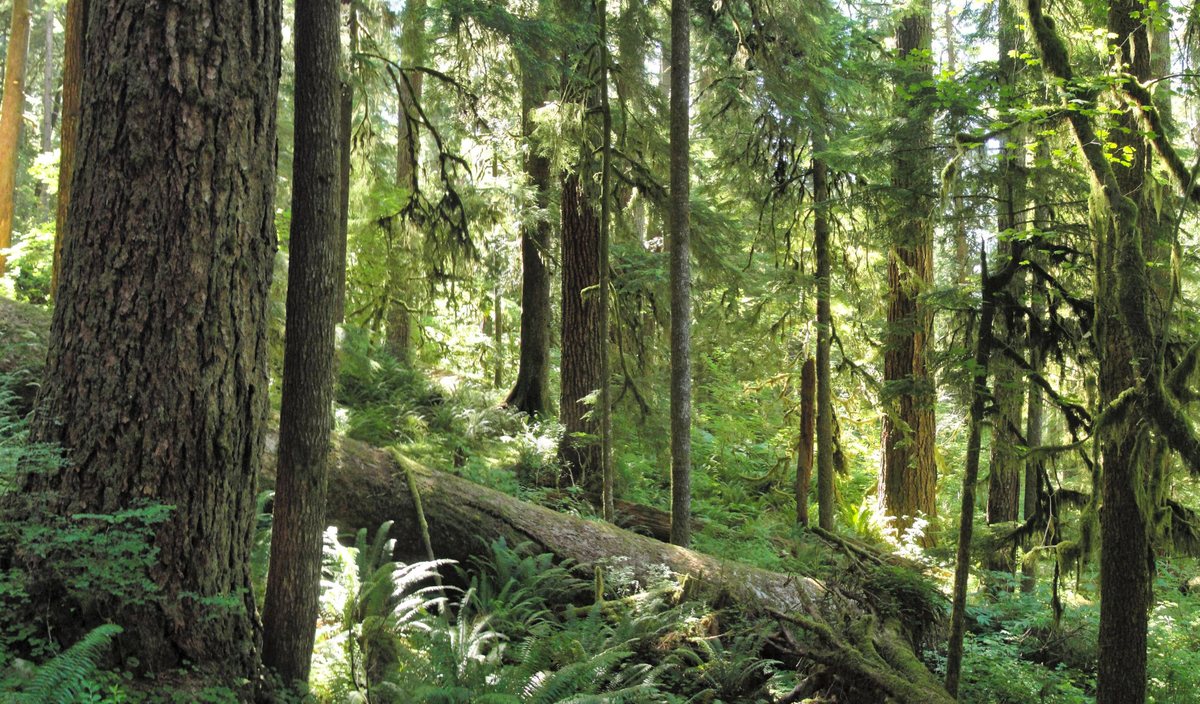
The Discovery at Bear Camp Shelter & Search Operations
Upon reaching the remote three-sided wooden shelter at Bear Camp, search rangers made a startling discovery. Inside the shelter sat Pete’s large external-frame backpack, his sleeping bag laid out, his camp stove, and several days of uneaten food supplies. Everything suggested that Daniels had established base camp and departed on a brief day hike or exploratory excursion carrying only lightweight essentials.
The National Park Service and Olympic Mountain Rescue mounted an exhaustive multi-week search operation:
- River & Canyon Sweeps: Search teams scoured the raging, whitewater gorges of the upper Dosewallips River and Deception Creek, checking logjams, boulder pools, and undercut riverbanks.
- High-Elevation Alpine Sweeps: Rescuers on snowshoes and skis climbed through deep snowdrifts to Anderson Pass, Fly Creek, and Mount Anderson’s glacial moraines.
- Aviation Support: U.S. Coast Guard helicopters flew low-level passes along the narrow river canyon between storm cycles.
Deep winter snow eventually forced the suspension of search operations in November 1975. Follow-up sweeps during the spring thaw of 1976 yielded zero additional clues.
Forensic Hypotheses & Investigative Evaluation
Search specialists and park rangers evaluated three primary theories:
1. Fatal Glacial River Sweep or Logjam Entrapment
The Dosewallips River during an autumn deluge transforms into a raging, freezing torrent capable of sweeping full-grown trees downstream. If Daniels slipped while crossing a slick mossy log or rock ford during a day walk, the current would have instantly pulled him into a deep underwater logjam, pinning his body beneath tons of submerged timber where discovery is nearly impossible.
2. Early-Season Snow Avalanche or Hypothermic Collapse
The heavy, wet snowfall of October 18 created severe avalanche hazards on the steep slopes flanking Anderson Pass. Daniels may have been caught in a localized wet-slab slide or become disoriented by whiteout conditions, perishing from hypothermia in a dense cedar thicket.
Historical Parallels in Pacific Northwest Mysteries
The disappearance of Pete Daniels is one of several enduring mysteries in Washington’s vast wilderness parks, sharing characteristics with high-altitude disappearances in Mount Rainier and North Cascades national parks.
Current Status & Official Cold Case Tip Reporting
The disappearance of Peter “Pete” Daniels remains an open cold case. Anyone with historical information or mountaineering discoveries from the Dosewallips drainage is urged to contact authorities:
The Temperate Rainforest Ecology of the Dosewallips Corridor
The Olympic Peninsula in Washington State is home to one of the largest temperate rainforest ecosystems on earth. Receiving over 140 inches of annual precipitation, the Dosewallips River valley is carpeted in ancient mosses, massive seven-foot-diameter Douglas firs, western hemlocks, and impenetrable thickets of salmonberry and devil’s club.
The Dosewallips River itself is a high-volume glacial torrent fed by the snowfields and hanging glaciers of Mount Anderson and Mount Deception. During autumn rainstorms, the river swells into a roaring whitewater deluge, sweeping massive boulders and whole cedar trees down the canyon. For a solo backpacker walking near the riverbank, a single slip on wet, moss-covered shale can result in immediate immersion in 38°F (3°C) glacial water, causing cold-water shock and drowning within seconds.
Sub-Canopy Concealment & Search Operations
The physical density of the Olympic sub-canopy presents extraordinary obstacles for search and rescue operations. Under the multi-tiered rainforest canopy, ambient light is reduced by up to 90%, and fallen “nurse logs” create natural wooden ramparts that obscure the forest floor.
When search rangers and Olympic Mountain Rescue volunteers arrived at Bear Camp Shelter in late October 1975, they faced deep early-winter snowdrifts above 3,500 feet. In temperate rainforests, heavy wet snow blankets deadfall and river crevices, creating concealed snow bridges that can collapse under the weight of a hiker. If Pete Daniels ventured away from the shelter on a day hike and fell into a concealed river sinkhole or logjam, the immense accumulation of snow and debris would permanently entomb his physical remains.
Forensic Evaluation & The Undisturbed Shelter Evidence
The forensic condition of the Bear Camp Shelter provides strong evidence regarding Pete Daniels’ final hours. His heavy external-frame backpack was standing upright, his sleeping bag was unrolled on the wooden bunk, his camp stove was neatly stored, and several days of high-calorie dried rations remained sealed.
This configuration conclusively demonstrates that Pete did not abandon his camp intentionally or prepare for an extended trek over the passes. Rather, he stepped out of the shelter for a short excursion—perhaps to gather firewood, collect water from the Dosewallips River, or capture scenic photographs—and encountered a sudden, fatal environmental misadventure.
The Olympic Wilderness Cold Case Legacy
Olympic National Park encompasses nearly one million acres of largely roadless wilderness. The disappearance of Pete Daniels remains an important case study in Pacific Northwest search-and-rescue history, highlighting the unforgiving speed with which autumn coastal storms can transform gentle river valleys into lethal alpine snowfields.
The Hydrologic Power of Glacial Rivers in the Pacific Northwest
Glacial river systems in the Olympic Mountains behave fundamentally differently from lowland streams. Originating directly from alpine glaciers and high-elevation snowpacks, rivers like the Dosewallips carry heavy suspended glacial silt (known as “rock flour”), which reduces underwater visibility to zero.
Submerged logjams and bedrock chutes create intense hydraulic vortexes that pull floating objects beneath the water’s surface. In cold-water immersion scenarios where water temperatures remain below 40°F, human muscles seize within three minutes, rendering even strong swimmers completely helpless against the force of the glacial current.
The Hydrologic Power of the Dosewallips Watershed
The Dosewallips River drains a vast glaciated watershed encompassing the eastern slopes of Mount Anderson, Mount Deception, and Mount Mystery. Originating from high alpine snowfields, the river channels through narrow, deep rock gorges flanked by vertical walls of basalt and sedimentary shale.
During autumn storm cycles, river flow rates can surge ten-fold within hours, transforming shallow gravel beds into raging torrents of glacial whitewater. The immense force of the water moves massive river boulders and uproots old-growth cedar trees, creating submerged logjams and underwater hydraulic siphons. A hiker attempting to ford the river or walking near slick mossy riverbanks is vulnerable to cold-water shock—an involuntary respiratory reflex that causes immediate aspiration of water upon sudden immersion in near-freezing currents.
Search Logistics in Olympic National Park’s Wilderness Core
Because Olympic National Park contains no cross-park roads through its mountainous core, search and rescue operations in areas like Bear Camp Shelter require immense logistical coordination. Search teams must hike fifteen miles with heavy winter gear or rely on hazardous helicopter insertions into tight mountain clearings subject to sudden coastal fog.
The Pete Daniels case underscores the profound wilderness isolation of the Olympic Peninsula, where vast tracts of old-growth temperate rainforest remain virtually unchanged since the 19th century.
Information on the Pete Daniels Disappearance
Please contact the official investigative agency:
- Olympic National Park Headquarters: (360) 565-3130
- Jefferson County Sheriff’s Office: (360) 385-3831
- NPS ISB Tip Line: Call/Text 888-653-0009 | Email:
[email protected] - True Crime Stories Tip Desk: Submit a confidential lead online.
Related National Park Disappearances & Cold Cases
Explore additional comprehensive wilderness missing persons dossiers and historical cold case investigations: