Case File Dossier: Glen & Bessie Hyde (1928)
- Victims: Glen Hyde (Age 29) & Bessie Haley Hyde (Age 22) — Honeymoon River Navigators
- Date of Disappearance: Late November / Early December 1928
- Location: Colorado River Mile 237 (232-Mile Rapid), Grand Canyon National Park, AZ
- Vessel Recovered: Custom 20-foot wooden sweep scow found floating upright with full supplies intact
- Artifacts Recovered: Bessie’s diary (entries up to Nov 30), camera with exposed film, food, warm coats, money
- Primary Investigating Agencies: Grand Canyon National Park Service, Coconino County Sheriff, Emery Kolb Search Party
- Current Status: Unsolved Historical Cold Case Enigma
- Investigation Desk: National Park Disappearances
In the late autumn of 1928, newlywed couple Glen and Bessie Hyde embarked on an audacious, record-setting honeymoon adventure: running the entirety of the treacherous Colorado River through the Grand Canyon in a custom-built 20-foot wooden sweep scow without a motor. If successful, 22-year-old Bessie would become the first woman in history to document a complete navigation of the Grand Canyon’s roaring whitewater. But as December arrived with no sign of the couple at their planned exit near Needles, California, a search plane spotted their wooden scow floating peacefully upright in calm water at River Mile 237. The boat was fully loaded with supplies, food, camera equipment, and Bessie’s personal diary—yet Glen and Bessie had vanished into thin air.
The 1928 disappearance of Glen and Bessie Hyde remains the most celebrated, enduring, and mythic cold case in the history of Grand Canyon exploration. The scow was discovered completely intact, with its towline snagged on a submerged river rock; there was no hull damage, no evidence of capsizing, and the couple’s heavy winter coats remained neatly strapped to the cargo deck. Over nearly a century, the case has spawned legendary theories ranging from rapid river drowning to domestic murder and the sensational claim that Bessie survived under an assumed identity as legendary river guide Georgie White.
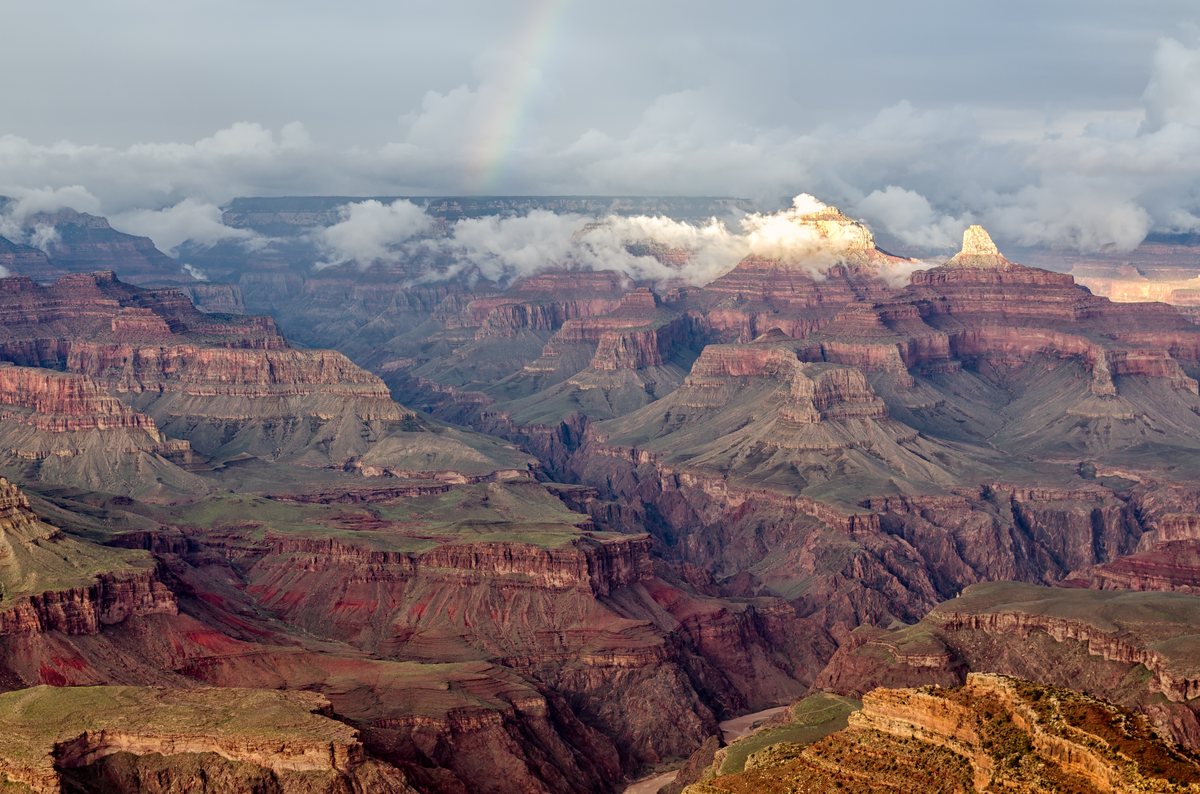
The Record-Setting Honeymoon Expedition
Glen Hyde was an ambitious Idaho farmer and experienced river runner who had successfully navigated the Salmon and Snake rivers. After marrying art student Bessie Haley in April 1928, Glen conceived a grand plan to make international headlines: running the formidable rapids of the Green and Colorado rivers, establishing a new speed record, and launching a lucrative national lecture tour and book deal.
Glen designed and constructed a flat-bottomed, 20-foot wooden sweep scow built from heavy pine timbers. Unlike modern whitewater rafts or rowing dories, a sweep scow is steered by massive two-man wooden sweep oars mounted at the bow and stern. The craft was heavy, durable, and highly stable, but nearly impossible to right if flipped.
The couple launched from Green River, Utah, on October 20, 1928. Navigating Cataract Canyon and Marble Canyon with remarkable skill, they arrived at the Bright Angel Trail in Grand Canyon on November 16. There, they hiked up to the South Rim to resupply, where they were photographed by famed canyon photographers Emery and Ellsworth Kolb. Emery Kolb warned the young couple that winter was approaching, river flows were dropping, and that Bessie should wear a life preserver. Glen famously laughed off the warning, stating: “We don’t need life jackets; our scow cannot sink.”
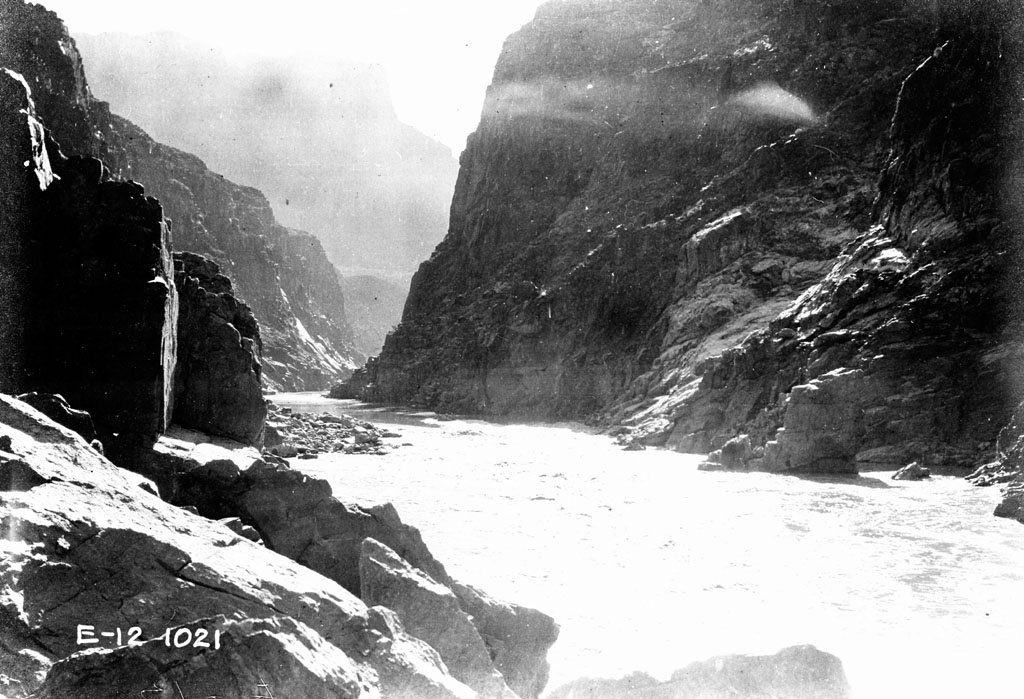
The Discovery of the Ghost Scow at River Mile 237
When the Hydes failed to arrive at Needles, California, by December 6, Glen’s father, Rollin Hyde, organized an emergency search party. On December 19, a search aircraft spotted the scow floating upright in calm water near River Mile 237, below 232-Mile Rapid (now known as Killer Fang Falls).
Emery Kolb and park rangers reached the boat by boat and horseback on Christmas Day 1928. The condition of the vessel deepened the mystery:
- Vessel Condition: The scow was completely intact, with no broken timbers or leaks. The bow line had caught on a submerged rock, holding the craft in an eddy.
- Cargo Intact: Provisions, cooking utensils, bedding, and photographic equipment were completely dry and neatly strapped down under canvas.
- Bessie’s Diary & Camera: Bessie’s personal journal was recovered with entries written up to November 30. The search party developed exposed film from the couple’s camera; the final photograph showed the scow tied near River Mile 165 on November 27, showing both Glen and Bessie in good spirits.
Investigative Hypotheses & The Georgie White Legend
Over the subsequent decades, historians and river runners debated several dramatic hypotheses:
1. Sudden Sweep Oar Ejection in Violent Rapids
The most plausible physical explanation is that while navigating the violent standing waves of 232-Mile Rapid, a powerful hydraulic wave struck the long stern sweep oar. In sweep scow navigation, a sudden wave strike can lever the heavy wooden sweep violently across the deck, catapulting the operator overboard. Proponents suggest Glen was thrown into the freezing 45°F water, and Bessie either jumped in to attempt a rescue or was thrown overboard moments later. Without life jackets, hypothermia and hydraulic down-currents would cause drowning within minutes.
2. Domestic Altercation and Escape
Another theory argues that the extreme physical and psychological strain of the expedition triggered a violent dispute, leading Bessie to shoot or abandon Glen and hike out of the canyon via an ancient Native American trail.
3. The Georgie White Identity Mystery
In 1971, legendary commercial river pioneer Georgie White Clark claimed to river guests that she was actually Bessie Hyde, having killed Glen in self-defense and escaped. However, following Georgie’s death in 1992, historical biographers uncovered Georgie’s authentic birth certificates and early life records, conclusively disproving the claim as river lore.
Historical Parallels & Legacy
The disappearance of Glen and Bessie Hyde remains a cornerstone of Grand Canyon history, echoing the 2015 disappearance of river guide Morgan Heimer at Mile 213 and underscoring the lethal power of the Colorado River.
Current Status & Historical Inquiries
The case remains an unsolved historical cold case within Grand Canyon National Park archives:
The Hydrodynamics of the Pre-Dam Colorado River
In 1928, the Colorado River through the Grand Canyon was a wild, undammed glacial torrent carrying immense sediment loads and unpredictable flow surges. Before the completion of Glen Canyon Dam in 1963, water temperatures in late autumn plunged into the low 40s Fahrenheit, with flow rates fluctuating by tens of thousands of cubic feet per second within hours.
The Lower Granite Gorge between Mile 200 and Mile 240 features narrow, vertical canyon walls of Vishnu Schist where the river’s entire volume is forced through severe bedrock constrictions. In these high-energy rapids, boiling upwellings and underwater hydraulic whirlpools can hold floating objects underwater for hundreds of yards. In near-freezing water, cold shock response causes immediate involuntary inhalation of water, leading to rapid drowning even for skilled swimmers without modern personal flotation devices.
The Navigation Hazards of the Lower Granite Gorge
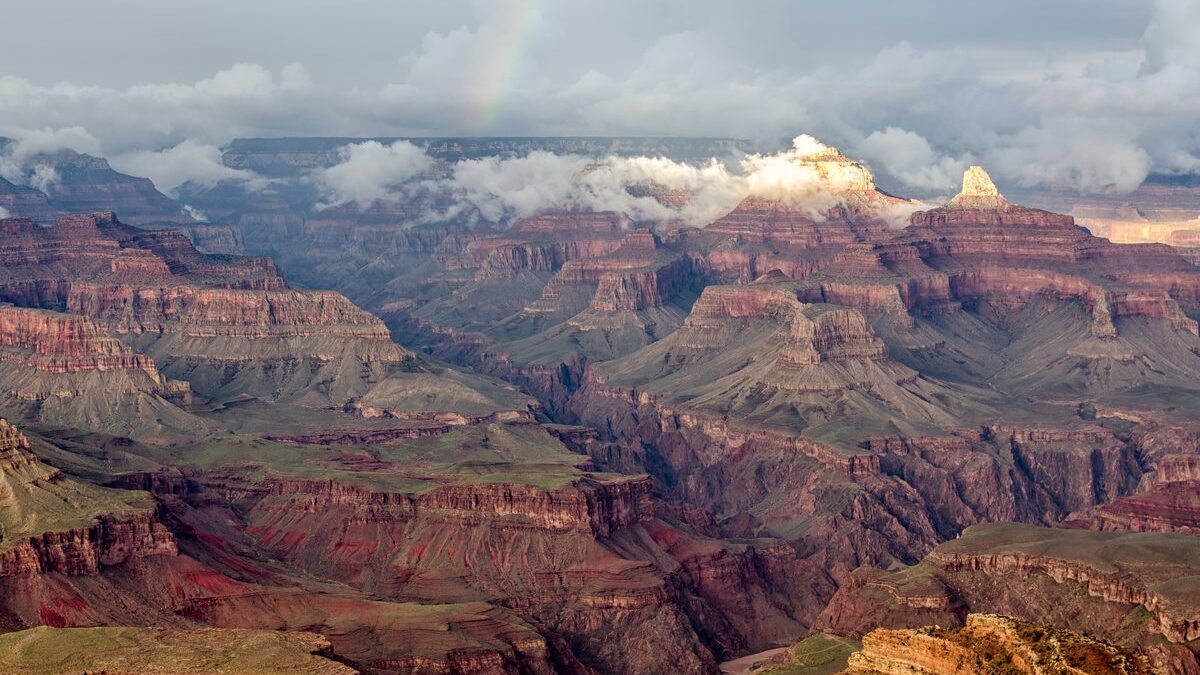
The Lower Granite Gorge of the Grand Canyon, stretching from Diamond Creek at Mile 225 down to the Grand Wash Cliffs, represents one of the most physically confined and violent sections of the Colorado River. In this deep chasm, ancient Precambrian Vishnu Schist and Zoroaster Granite rise vertically thousands of feet directly from the water’s edge, leaving no shorelines or escape ledges for stranded river travelers.
In 1928, river running was in its technological infancy. Glen and Bessie Hyde possessed no two-way radios, no satellite beacons, and no modern neoprene drysuits. When navigating the massive standing waves of 232-Mile Rapid (now known as Killer Fang Falls), the violent hydraulic action of the river created tremendous lateral forces on their 20-foot wooden sweep scow.
The Historical Legacy of Glen & Bessie Hyde
The mystery of the Hyde honeymoon voyage captured the imagination of the American public in the late 1920s and remains a foundational chapter in the history of Grand Canyon exploration. The discovery of their fully provisioned scow floating undamaged in calm water below the rapid stands as an enduring paradox of whitewater history.
Their tragic disappearance directly influenced the development of modern river running regulations, leading to mandatory life preserver requirements, enhanced boat design standards, and formalized permit systems for all expeditions navigating the waters of the Grand Canyon. Historians and outdoor enthusiasts continue to study the Hyde expedition as a landmark moment in early 20th-century river exploration.
The Hyde scow itself was later salvaged and preserved as a priceless historical artifact, representing the daring spirit and extreme environmental perils of running the untamed Colorado River before the era of modern dams and rescue communications.
Grand Canyon Historical Archives & Cold Case Research
For historical research inquiries regarding Grand Canyon river expeditions:
- Grand Canyon National Park Museum & Archives: (928) 638-7769
- NPS ISB Cold Case Branch: Email:
[email protected] - True Crime Stories Tip Desk: Submit an investigative inquiry.
Wilderness Search Protocols & Topographic Grid Analysis
Search and rescue operations in vast federal wilderness reserves present unique logistical, environmental, and physical challenges for search teams. Ground search personnel must navigate dense alpine undergrowth, steep scree fields, and rapid weather transitions that can obliterate physical tracks within hours. Modern wilderness SAR doctrine combines high-resolution FLIR aerial mapping, trained scent-tracking K9 units, and predictive lost-person behavioral models to maximize search coverage in high-risk zones.
Related Investigations & Forensic Dossiers
Explore additional comprehensive cold case analyses and historical investigations: