Case File Dossier: Laura Ann Bradbury (1984)
- Victim: Laura Ann Bradbury (Age 3) — Resident of Huntington Beach, CA
- Date of Disappearance: Thursday, October 18, 1984 (~9:30 PM PST)
- Location: Indian Cove Campground, Joshua Tree National Monument (Now NP), CA
- Companions Present: Parents (Mike and Patty Bradbury) and 8-year-old brother Travis
- Forensic Discovery: Skull bone fragments identified via DNA in 1990 and 2010
- Primary Investigating Agencies: San Bernardino County Sheriff’s Department, FBI, NPS ISB
- Current Status: Active Unsolved Homicide / Abduction Cold Case
- Investigation Desk: National Park Disappearances
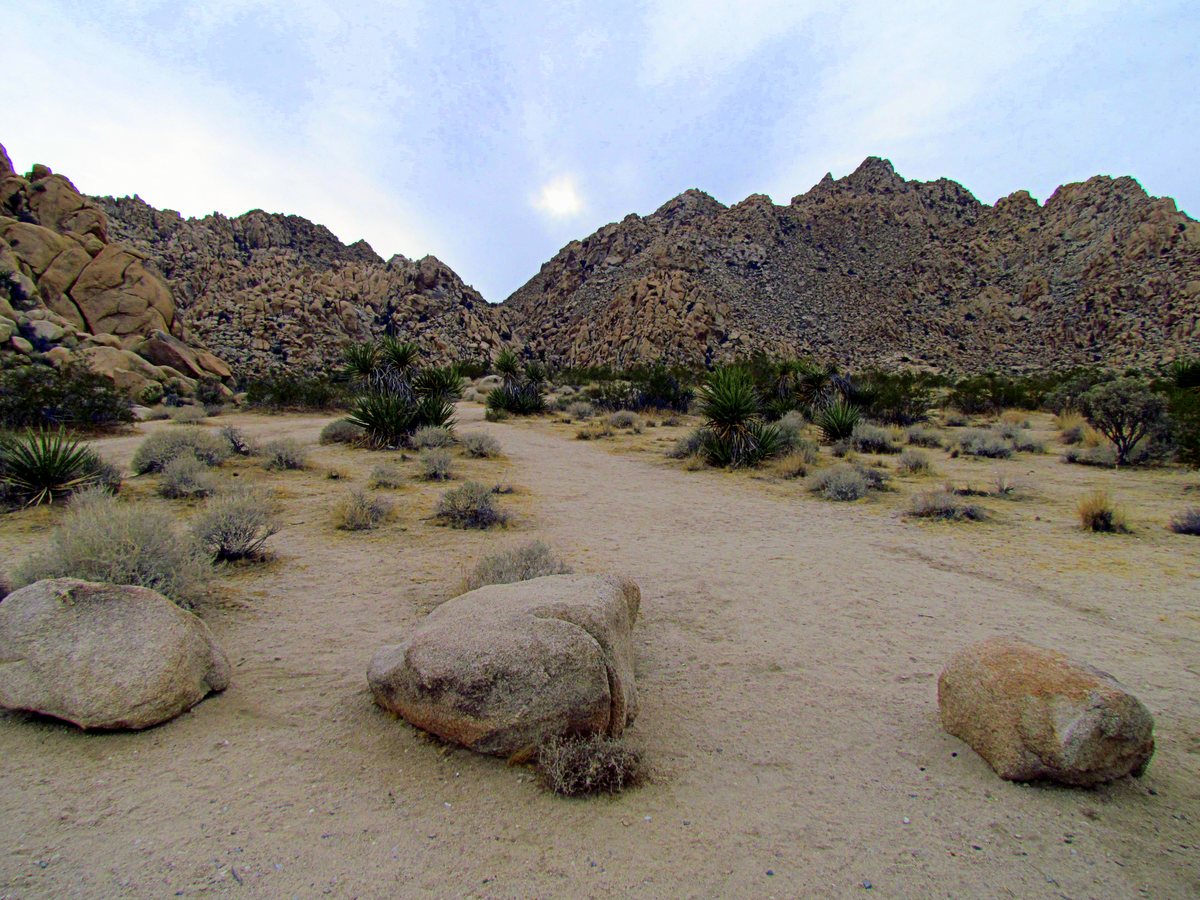
On the cool desert evening of October 18, 1984, 3-year-old Laura Ann Bradbury was on a family camping trip with her parents and brothers at the Indian Cove Campground in Joshua Tree National Monument (now National Park), California. At approximately 9:30 PM, Laura walked roughly one hundred feet from the family campsite with her 8-year-old brother Travis to use the campground portable chemical toilet. Travis stepped out of the facility first and returned to the campfire; when Laura did not emerge after two minutes, her father walked to the restroom. Laura had vanished into the desert night.
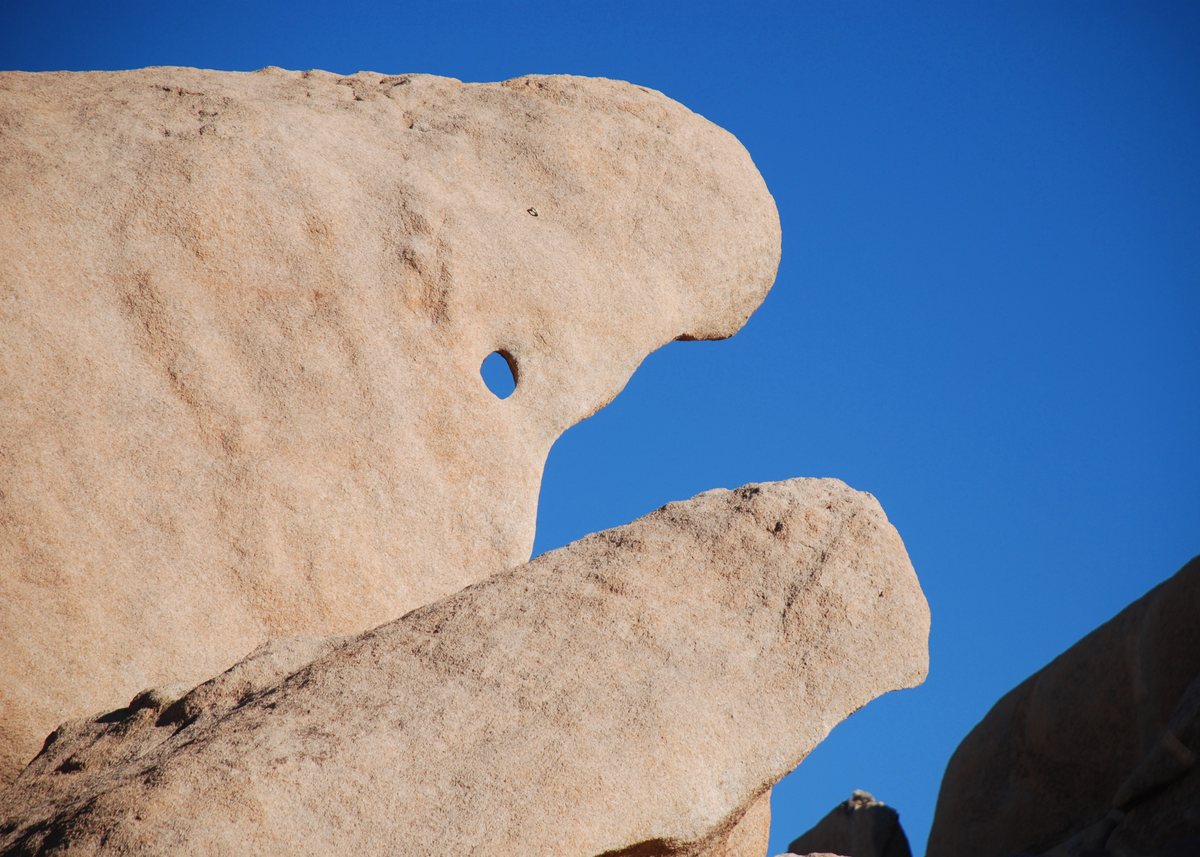
The vanishing of Laura Bradbury triggered one of the largest and most agonizing child abduction investigations in California history. Occurring in a confined desert canyon flanked by towering monzogranite boulder piles, her disappearance produced no screams, no sounds of vehicular departure, and no immediate clues. In 1986, skull bone fragments were recovered in a remote desert wash near the park border; subsequent groundbreaking mitochondrial DNA testing in 1990 and 2010 conclusively matched the fragments to Laura, confirming her homicide. Yet four decades later, her killer has never been brought to justice.
The Family Outing at Indian Cove Campsite #1
Mike and Patty Bradbury traveled to Joshua Tree from their home in Huntington Beach, California, along with their three young children: Travis (8), Laura (3), and infant son Christopher. The family were experienced campers who frequently visited the Indian Cove section of the monument, a secluded canyon renowned for massive granite boulder piles and rock climbing routes.
On the evening of October 18, the family was relaxing around their campfire at Campsite #1, located directly adjacent to the main campground loop road. At approximately 9:30 PM, Travis escorted his younger sister Laura to the portable toilet situated approximately 100 feet from the campsite. Laura was wearing a turquoise sweater, blue jeans, and small white sneakers.
After using the facility, Travis walked back toward the campfire, expecting Laura to follow seconds behind him. When she failed to appear, Mike Bradbury immediately walked to the restroom with a flashlight, only to find the door open and the interior completely empty.
The Massive Desert Search & Scent Track to the Road
Campers throughout Indian Cove joined the family in a frantic flashlight search of the boulder crevices before park rangers and San Bernardino County Sheriff’s deputies arrived at 10:30 PM. Over the subsequent two weeks, the operation mobilized more than 200 search personnel:
- Ground Skirmish Lines: Searchers scoured every cave, rock fissure, and crevice within Indian Cove, utilizing speleological equipment to inspect deep underground boulder voids.
- Canine Tracking Units: Master bloodhounds picked up Laura’s scent near the portable toilet. The dogs followed her trail out to the paved campground loop road, where the scent abruptly vanished—confirming she was picked up and placed in a vehicle.
- Aerial Reconnaissance: Sheriff’s helicopters equipped with Night Sun searchlights swept the surrounding Mojave Desert terrain.
Forensic Discovery & Mitochondrial DNA Identification
In 1986, two years after the disappearance, a hiker discovered cranial bone fragments in a remote desert wash approximately 1.5 miles from Indian Cove near the base of the Pinto Mountains.
At the time, forensic DNA technology was in its infancy. In 1990, the California Department of Justice utilized early mitochondrial DNA sequencing—one of the first instances of its use in American criminal forensics—to match the cranial fragments to Patty Bradbury’s maternal DNA. In 2010, advanced nuclear and mitochondrial re-testing by the FBI laboratory confirmed beyond all scientific doubt that the skull fragments belonged to Laura Ann Bradbury.
Investigative Hypotheses & Suspect Inquiries
Investigators focused on several criminal networks operating in the Morongo Basin:
1. Morongo Basin Transient and Narcotics Ring
Sheriff’s investigators questioned numerous local transients and individuals connected to illicit narcotics operations in nearby Twentynine Palms and Yucca Valley. Several individuals provided inconsistent alibis, but physical evidence tying specific suspects to the crime scene remained legally insufficient for indictment.
2. Opportunistic Predator at the Campground
The physical layout of Indian Cove provided easy vehicular access with a single road leading north toward Highway 62. An opportunistic predator could have entered the campground, observed the unattended child, abducted her in seconds, and reached the highway before the family realized what had occurred.
Historical Parallels & Legacy
The Laura Bradbury case was instrumental in modernizing child abduction response protocols in California and nationwide, leading to the establishment of rapid-response missing child units and advancing forensic mitochondrial DNA analysis.
Current Status & Official Cold Case Tip Reporting
The homicide of Laura Ann Bradbury remains an active cold case investigation with the San Bernardino County Sheriff’s Specialized Investigations Division and the FBI. Authorities encourage anyone with information to contact:
The Layout of Indian Cove & The Micro-Timeline of Abduction
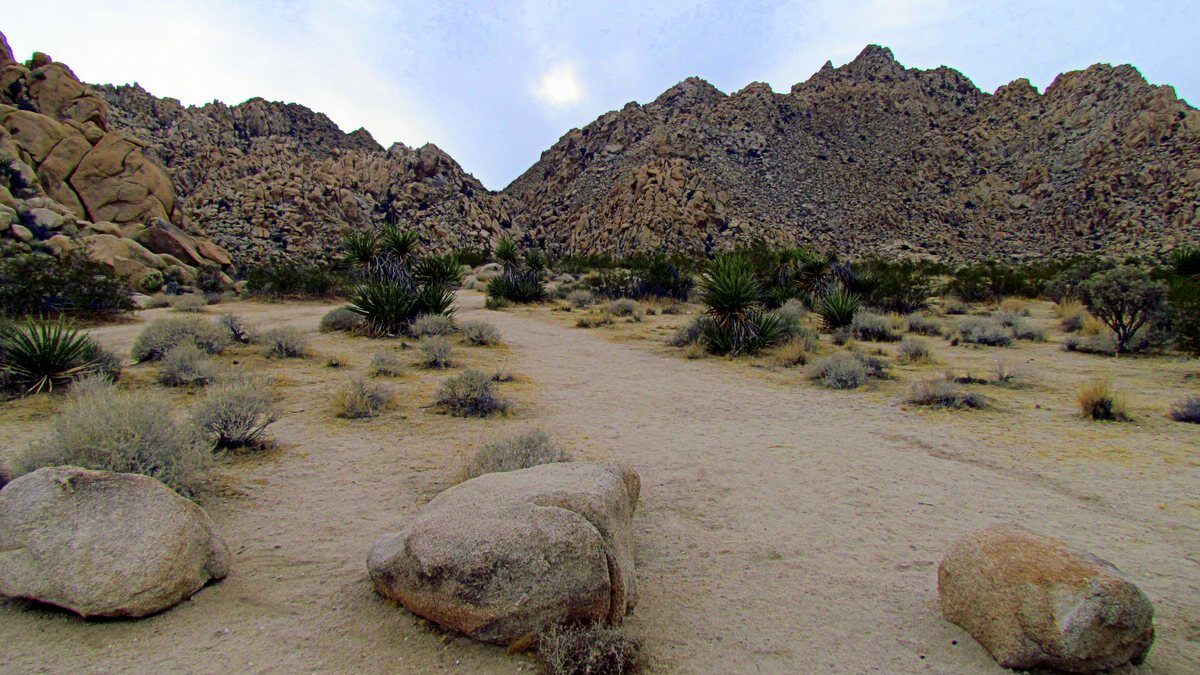
The physical layout of the Indian Cove Campground in Joshua Tree National Monument (now National Park) provides critical insights into the logistics of Laura Bradbury’s abduction. Indian Cove is a secluded desert basin surrounded by towering monzogranite boulder formations that rise hundreds of feet above the campground floor. The campground features a single paved access road that enters from Highway 62 and loops through the campsite clusters.
Campsite #1, occupied by the Bradbury family, was situated approximately 100 feet from the campground’s portable chemical toilet. At 9:30 PM on October 18, 1984, the ambient darkness of the desert was complete. When Travis Bradbury walked back to the campfire, he left Laura alone for less than two minutes. In that fleeting window, an opportunistic perpetrator was able to seize the 3-year-old child and transport her away without producing any scream or commotion heard by campers sitting mere dozens of feet away.
Pioneering Forensic DNA Technology in the 1980s and 1990s
The Laura Bradbury case played a historic role in the development and validation of forensic DNA analysis in the United States. When cranial bone fragments were discovered in 1986 in a remote desert wash near the Pinto Mountains, traditional forensic testing was incapable of determining their identity due to extreme environmental weathering from desert sun and heat.
In 1990, the California Department of Justice, working alongside forensic geneticists, performed experimental mitochondrial DNA (mtDNA) sequencing—analyzing maternal genetic markers extracted from the bone marrow. The analysis established a match with Patty Bradbury’s maternal lineage, marking one of the earliest successful applications of mitochondrial DNA in an active American homicide investigation. In 2010, the FBI’s specialized DNA analysis unit re-examined the bone fragments using modern high-sensitivity STR and nuclear DNA methods, conclusively confirming Laura’s identity with mathematical certainty.
The Morongo Basin Investigation & Suspect Networks
Over several decades, the San Bernardino County Sheriff’s Specialized Investigations Division and the FBI conducted extensive investigations into criminal networks operating in the Morongo Basin, Twentynine Palms, and Yucca Valley. Investigators interrogated multiple known predatory offenders, transients, and local figures associated with illicit narcotics distribution in the high desert. While several individuals emerged as persons of interest, the absence of eyewitness testimony and direct forensic trace evidence has prevented formal prosecution, keeping the homicide investigation open and active.
National Impact on Child Abduction Response
The tragic case of Laura Bradbury catalyzed nationwide advocacy for rapid law enforcement response to missing children. Mike and Patty Bradbury became leading national figures advocating for the creation of standardized child abduction alert systems, specialized missing child task forces, and the expanded use of genetic databases in cold case investigations.
The Forensic Anthropology of Desert Bone Weathering
The discovery and analysis of the cranial fragments in 1986 provided crucial forensic anthropological insights into bone taphonomy in arid desert environments. Forensic anthropologists documented that intense solar ultraviolet radiation, seasonal flash floods, and scavenger activity in the Mojave Desert rapidly degrade skeletal material, bleaching bone surfaces and destroying cellular integrity.
The successful recovery and DNA amplification of genetic material from these weathered fragments represented a major scientific milestone, demonstrating that even heavily weathered desert remains can yield definitive forensic identification decades after a crime occurs.
Information on the Laura Bradbury Cold Case
Please contact the official investigative agency:
- San Bernardino County Sheriff’s Cold Case Homicide Unit: (909) 387-3589
- FBI Los Angeles Field Office: (310) 477-6565
- NPS ISB Tip Line: Call/Text 888-653-0009 | Email:
[email protected] - True Crime Stories Tip Desk: Submit a confidential lead online.
Wilderness Search Protocols & Topographic Grid Analysis
Search and rescue operations in vast federal wilderness reserves present unique logistical, environmental, and physical challenges for search teams. Ground search personnel must navigate dense alpine undergrowth, steep scree fields, and rapid weather transitions that can obliterate physical tracks within hours. Modern wilderness SAR doctrine combines high-resolution FLIR aerial mapping, trained scent-tracking K9 units, and predictive lost-person behavioral models to maximize search coverage in high-risk zones.
Related Investigations & Forensic Dossiers
Explore additional comprehensive cold case analyses and historical investigations: