Case File Dossier: Drake Kramer (2015)
- Victim: Drake Kramer (Age 21) — University Student & Texas Resident
- Date of Disappearance: Sunday, February 1, 2015
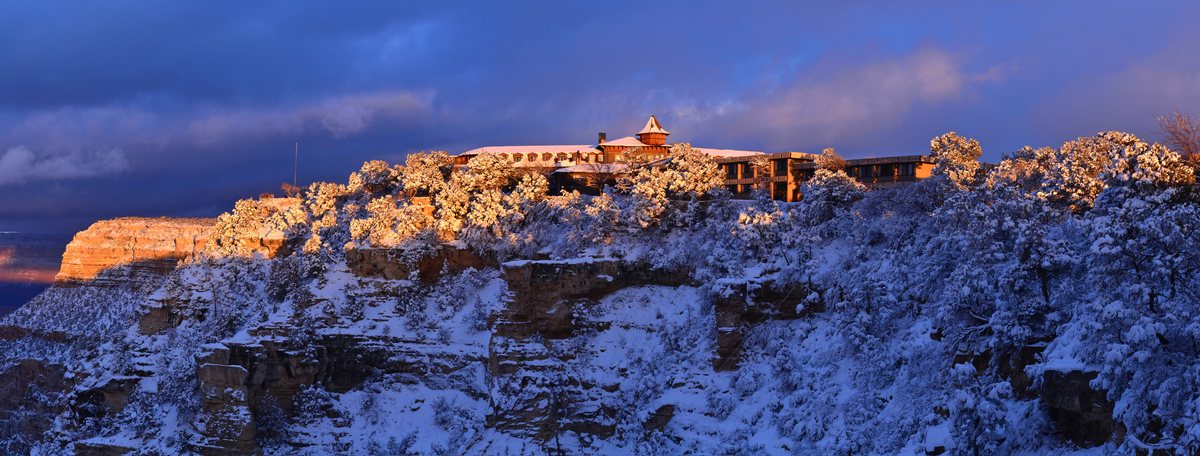
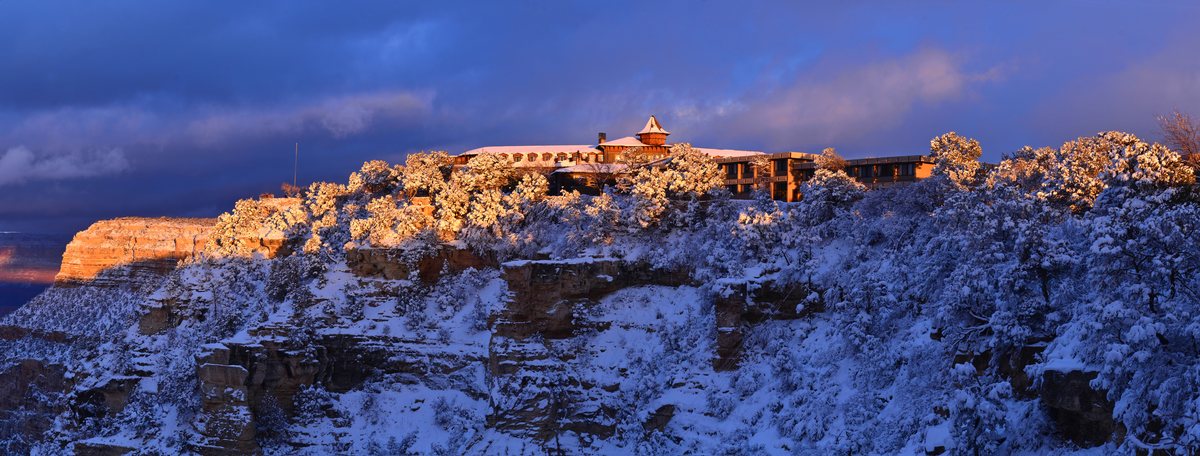
- Location: Bright Angel Lodge / South Rim, Grand Canyon National Park, AZ
- Physical Profile: 5’7″, 140 lbs, brown hair, hazel eyes, athletic build
- Personal Effects Left Behind: Mazda 6 sedan, personal luggage, wallet, credit cards, hotel room keys
- Primary Investigating Agencies: National Park Service ISB, Coconino County Sheriff’s Office
- Current Status: Active Unsolved Missing Person Cold Case
- Investigation Desk: National Park Disappearances
On the morning of February 1, 2015, 21-year-old Texas university student Drake Kramer checked out of the historic Bright Angel Lodge perched directly on the South Rim of Grand Canyon National Park. Just hours earlier, Drake had sent a series of enigmatic, deeply poetic text messages to close family members stating that he needed to “be with the earth” and “feed the soul.” He walked away from his parked sedan, leaving behind his luggage, wallet, and personal effects, and vanished into the vast sandstone abyss of the canyon.
Drake Kramer was an intelligent, accomplished young man employed at the University of Texas at San Antonio who possessed a lifelong passion for geology and photography. His sudden, unannounced 1,000-mile drive from San Antonio to the winter snowfields of the Grand Canyon South Rim baffled his friends and relatives. Despite an extensive six-day tactical search deploying National Park Service helicopters equipped with thermal imaging, search dog teams scouring the canyon switchbacks, and technical rappel teams checking the sheer 1,000-foot limestone cliffs below Bright Angel Trail, no trace of Drake has ever been found.
The Spontaneous 1,000-Mile Journey from Texas
On Friday, January 30, 2015, Drake Kramer left his family home in San Antonio, Texas, telling his mother that he was planning a weekend camping trip with friends in Texas. However, instead of traveling locally, Drake embarked on an unbroken 16-hour, 1,000-mile solo drive northwest across New Mexico and Arizona, arriving at the Grand Canyon South Rim on the night of January 31.
Drake checked into the Bright Angel Lodge, a historic rustic complex situated feet from the sheer canyon drop-off. Witnesses described Drake as quiet and composed. On the morning of Sunday, February 1, Drake checked out of the lodge at approximately 9:30 AM. He placed his personal luggage, clothing, and wallet inside his Mazda 6 sedan parked in the lodge lot, keeping only his smartphone and car keys.
Shortly before noon, Drake sent several text messages to his parents and friends. The messages were deeply affectionate yet strikingly cryptic, expressing profound gratitude for his life while stating: “I need to be one with the earth. I love you all so much. Do not worry about me.” When subsequent phone calls went directly to voicemail, his panicked family immediately contacted Grand Canyon Park Dispatch and local law enforcement.
The Multi-Agency Search: Aerial FLIR & Winter Cliff Rappelling
Grand Canyon National Park Service rangers located Drake’s locked vehicle at the Bright Angel Lodge parking lot within hours of the report. A full-scale search and rescue operation commenced early on February 2 under bitter winter conditions, with daytime temperatures struggling to reach 30°F (-1°C) and packed ice lining the canyon trails.
- Aviation Thermal Sweeps: NPS search helicopters equipped with high-resolution Forward Looking Infrared (FLIR) cameras flew low along the South Rim cliff walls from Yavapai Point westward to Hermit’s Rest.
- K-9 Tracking Teams: Specialized search-and-rescue dogs swept the rim trail and the upper miles of the Bright Angel Trail, tracking scent markers toward scenic viewpoints before encountering ice-covered rock surfaces.
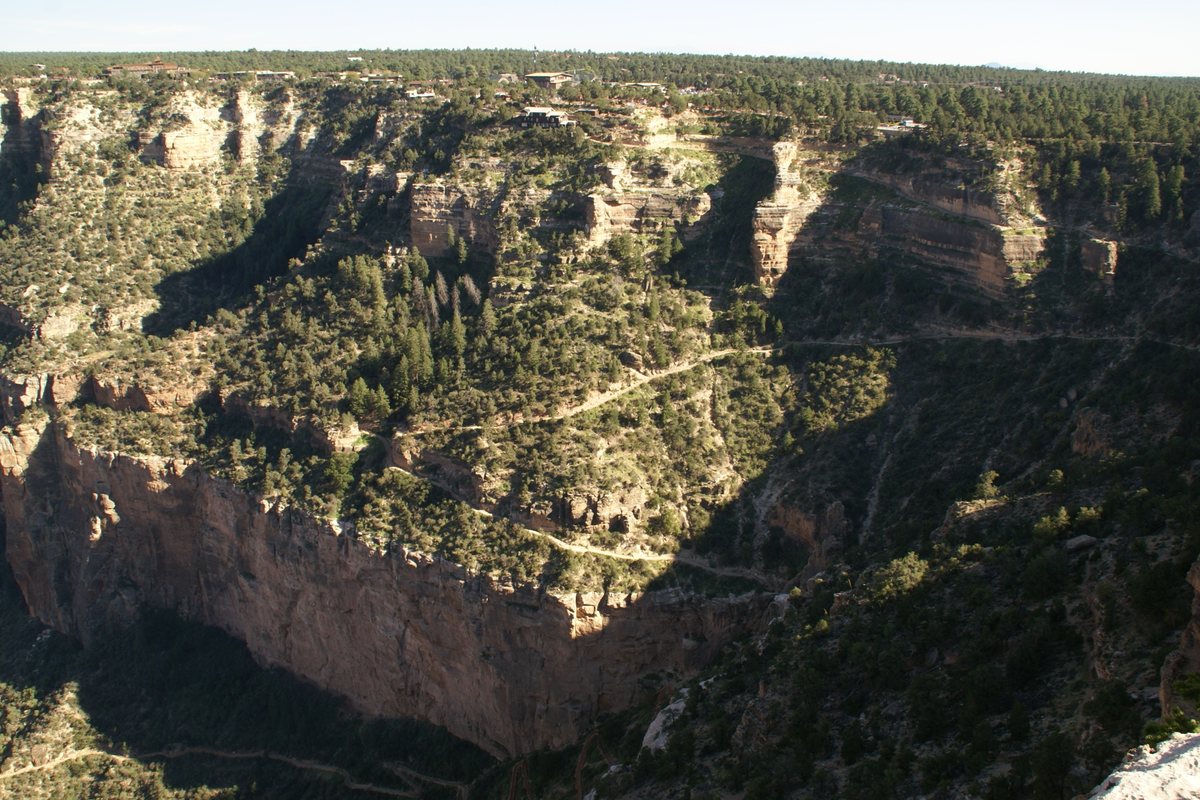
- Technical Rope Teams: Elite Grand Canyon technical rescue personnel conducted high-angle rappels over vertical sandstone ledges and Kaibab Limestone escarpments below the rim.
- Cellular Tower Data: Cellular tower pings from Drake’s phone indicated that his device transmitted its final signal from an area near Hermit’s Rest before the battery died or the device was disabled.
Despite six intensive days of aerial and ground searching covering hundreds of vertical acres, searchers found no footwear impressions, no clothing items, and no physical clues. The active search was suspended on February 7, 2015.
Forensic Hypotheses & Investigative Evaluation
Investigators and psychological profilers evaluated several competing explanations:
1. Voluntary Self-Harm in the Canyon Abyss
The cryptic nature of Drake’s final text messages, combined with the deliberate abandonment of his vehicle and wallet, strongly points toward an intentional descent into the canyon with suicidal ideation. The Grand Canyon’s vast vertical geometry presents thousands of inaccessible chasm ledges and boulder voids where an individual could leap or fall into total concealment. However, family members noted that Drake had no prior history of clinical depression or suicidal behavior.
2. Spiritual Pilgrimage & Accidental Exposure
Another hypothesis suggests Drake sought an intense solo wilderness retreat or spiritual awakening among the canyon rocks, ventured off-trail onto an unmaintained rim route without adequate cold-weather survival gear, and succumbed to severe hypothermia during the freezing winter nights.
3. Third-Party Foul Play
While less probable given the text message evidence, investigators also examined whether Drake met with an unknown third party at the lodge or trailhead. Thorough background inquiries revealed no criminal associations or hostile encounters.
Historical Parallels in Grand Canyon Disappearances
Drake Kramer’s disappearance represents one of several modern mysteries on the Grand Canyon rim, including the 2016 vanishing of Floyd Roberts on the Shivwits Plateau and the 2015 river vanishing of commercial river guide Morgan Heimer.
Current Status & Official Tip Submission
The case of Drake Kramer remains an active, open missing person investigation. Anyone who visited Bright Angel Lodge or Hermit’s Rest on February 1, 2015, is encouraged to contact law enforcement:
Psychological Autopsy & Behavioral Reconstruction
In modern missing-person investigations within the National Park system, federal investigators frequently perform a “psychological autopsy” to analyze the subject’s behavioral trajectory, emotional state, and decision-making patterns prior to their disappearance. In the case of Drake Kramer, his sudden 1,000-mile journey from San Antonio to the winter snowfields of the Grand Canyon South Rim represented an abrupt departure from his established daily routine.
Colleagues and professors at the University of Texas at San Antonio described Drake as an extraordinarily bright, creative young man who maintained a deep philosophical fascination with geology, earth sciences, and natural photography. However, investigators noted that the poetic, existential nature of his final text messages—stating that he needed to “be one with the earth” and “feed the soul”—indicated a state of profound existential seeking or psychological crisis.
The Vertical Topography of the South Rim Precipices
The Grand Canyon South Rim near Bright Angel Lodge sits at an elevation of approximately 6,800 feet above sea level. In early February, the rim is blanketed in snow and treacherous black ice. The vertical drop from the rim to the Tonto Plateau below spans more than 3,000 vertical feet across sheer cliffs of Kaibab Limestone, Toroweap Formation, Coconino Sandstone, and Supai Group shales.
Between Bright Angel Lodge and Hermit’s Rest, the rim features hundreds of unmaintained ledges, sheer overhangs, and hidden fissures concealed by pinyon pine and juniper trees. A single slip on ice-covered rock would result in an unsurvivable fall into deep, inaccessible boulder fields below. Despite six days of aerial thermal sweeps by National Park Service helicopters and high-angle cliff rappels by technical rescue specialists, the immense vertical scale of the canyon presents thousands of natural alcoves where a body can remain completely concealed from view.
Cellular Tower Triangulation & Digital Forensics
Federal investigators coordinated with telecommunications providers to analyze the cellular transmission records from Drake’s smartphone. The digital forensic analysis confirmed that his phone connected with a cellular tower located near Hermit’s Rest shortly before noon on February 1, 2015. Following the transmission of his final text messages, the cellular signal terminated abruptly, indicating that the device either lost battery power, was manually turned off, or suffered catastrophic physical impact.
Ongoing Investigations & Forensic Cold Case Protocols
The National Park Service Investigative Services Branch and Coconino County Sheriff’s Office continue to maintain Drake Kramer as an active open cold case. Periodic aerial inspections of the lower cliff bands below Hermit’s Rest are conducted by park flight crews, and any physical items recovered along the South Rim are routinely submitted to the Coconino County Medical Examiner for forensic comparison.
Search and Rescue Challenges in Winter Canyon Operations
Conducting tactical search operations in the Grand Canyon during midwinter presents extraordinary logistical challenges. Winter storms in northern Arizona bring sub-freezing temperatures, heavy fog inversions that blanket the canyon abyss in impenetrable white clouds, and severe icing along the vertical cliff faces. Technical rescue specialists rappelling over the rim must contend with brittle, freezing rock and sudden rockfall triggered by freeze-thaw cycles.
The case of Drake Kramer underscores the profound physical duality of the Grand Canyon: a world-famous natural spectacle visited by millions that simultaneously encompasses one of the most perilous, inaccessible wilderness gorges on earth.
Information on the Drake Kramer Disappearance
Please contact the official Grand Canyon investigative branch:
- Grand Canyon National Park Dispatch: (928) 638-7805
- NPS ISB Tip Line: Call/Text 888-653-0009 | Email:
[email protected] - Coconino County Sheriff’s Office: (928) 774-4523
- True Crime Stories Tip Desk: Submit a confidential tip online.