Case File Dossier: Floyd Roberts III (2016)
- Victim: Floyd Roberts III (Age 52) — Experienced Wilderness Backpacker
- Date of Disappearance: Friday, June 17, 2016 (~4:45 PM MST)
- Location: Kelly Tanks / Shanley Spring, Shivwits Plateau, Grand Canyon-Parashant NM / Grand Canyon NP, AZ
- Physical Profile: 5’11”, 170 lbs, brown hair, brown eyes, athletic build
- Gear Carried: Red multi-day backpack, water containers, outdoor hiking boots, brimmed sun hat
- Primary Investigating Agencies: National Park Service ISB, Mohave County Sheriff’s Office
- Current Status: Active Unsolved Missing Person Cold Case
- Investigation Desk: National Park Disappearances
On the scorching afternoon of June 17, 2016, 52-year-old veteran wilderness trekker Floyd Roberts III was embarking on an ambitious nine-day backcountry backpacking expedition across the remote Shivwits Plateau in the extreme western reaches of Grand Canyon National Park. While descending toward Shanley Spring near Kelly Tanks with two companions, Floyd decided to take a gentle, lower route around a small red sandstone knoll to conserve energy, while his companions climbed directly over the ridge. They agreed to reunite at the base of the knoll approximately 200 yards ahead. Floyd Roberts was never seen again.
Floyd Roberts was an experienced outdoorsman from Salem, Oregon, who had completed numerous rugged wilderness treks throughout the American West. The area where he vanished—the Shivwits Plateau and Grand Canyon-Parashant National Monument—is one of the most isolated, arid, and unforgiving landscapes on the continent, characterized by labyrinthine basalt canyons, waterless pinyon-juniper mesas, and summer temperatures exceeding 105°F (41°C). Despite a massive multi-agency search deploying specialized tracking dogs, national park helicopters, and tactical desert search teams across more than 400 square miles, not a single physical clue has ever been found.
The 9-Day Backcountry Expedition on the Western Rim
The expedition was planned as an extreme off-trail wilderness trek along the remote escarpment of the Grand Canyon’s western rim, descending from the Shivwits Plateau down to the Colorado River and exiting via Kelly Point. Floyd’s companions included his longtime friend Ned Bryant, an experienced wilderness navigator who had completed over thirty backcountry canyon routes, and Bryant’s adult daughter.
The party had reached the trailhead near Kelly Tanks on the afternoon of June 17. The weather was brutally hot, with ambient canyon temperatures soaring past 100°F in the shade. The group began hiking south toward Shanley Spring, their primary planned water cache.
Around 4:45 PM, the group approached a distinctive red sandstone hill that blocked their direct path. Ned Bryant and his daughter elected to scramble straight over the low ridge to maintain visual orientation, while Floyd—carrying a heavy multi-day backpack—chose to contour around the gentle base of the hill on the right side. The two routes were separated by less than 150 yards and were scheduled to converge within ten minutes on the southern slope.
When Bryant and his daughter reached the agreed meeting point, Floyd was not there. After shouting his name, blowing emergency whistles, and searching the base of the hill for over two hours, Bryant hiked miles to an elevation point with cellular reception and dispatched an emergency call to Grand Canyon Dispatch.
The Extreme Desert Search Operation
The National Park Service and the Mohave County Sheriff’s Search and Rescue unit mounted an immediate high-priority tactical operation:
- Aviation Desert Reconnaissance: NPS Bell 206 and military helicopters flew continuous low-level aerial grids, scanning every wash, ravines, and cliff line radiating from Kelly Tanks to the rim.
- Tracking K-9 Units: Expert bloodhounds and air-scent canine teams worked the rugged basalt lava fields, attempting to identify scent tracks before extreme desert heat destroyed scent molecules.
- Ground Search Skirmish Lines: Dozens of elite desert searchers traversed the waterless plateau on foot, inspecting caves, limestone overhangs, and dry washes.
Search conditions were extraordinarily hazardous, with ground temperatures on the black basalt rock reaching 130°F (54°C). Despite searching for six days across hundreds of square miles, not a single footprint from Floyd’s boots, no discarded water bottle, and no gear fragments were ever located.
Forensic Hypotheses & Lost-Person Behavior
Desert search and rescue experts evaluated several potential scenarios:
1. Acute Heat Stroke & Rapid Disorientation
Under extreme ambient heat exceeding 105°F, acute dehydration and heat exhaustion can cause rapid cognitive collapse within 15 to 30 minutes. Proponents of this theory suggest Floyd became disoriented while contouring the red hill, took a wrong drainage leading away from Shanley Spring toward the sheer canyon drop-offs, and collapsed inside a concealed crevice or under a juniper canopy to seek shade.
2. Accidental Cliff Fall into a Remote Chasm
The edges of the Shivwits Plateau drop thousands of feet in sheer, stepped cliffs toward the Colorado River gorge. If Floyd lost the trail and wandered toward an unmaintained rim overlook, a catastrophic slip could have sent him into an inaccessible vertical canyon void.
3. Foul Play in the Remote Borderlands
While extremely remote, the Arizona Strip has historically seen occasional illicit traffic. However, federal investigators found no physical evidence or suspicious vehicular activity in the area during the search window.
Parallels in Grand Canyon Disappearances
The case of Floyd Roberts is part of a storied history of sudden vanishings in the Grand Canyon backcountry, echoing the 2015 disappearance of Drake Kramer at the South Rim and Morgan Heimer at River Mile 213.
Current Status & Official Cold Case Tip Reporting
The disappearance of Floyd Roberts III remains an active cold case. Anyone with information or sightings from the Shivwits Plateau in June 2016 is urged to contact investigators:
The Extreme Arid Topography of the Shivwits Plateau
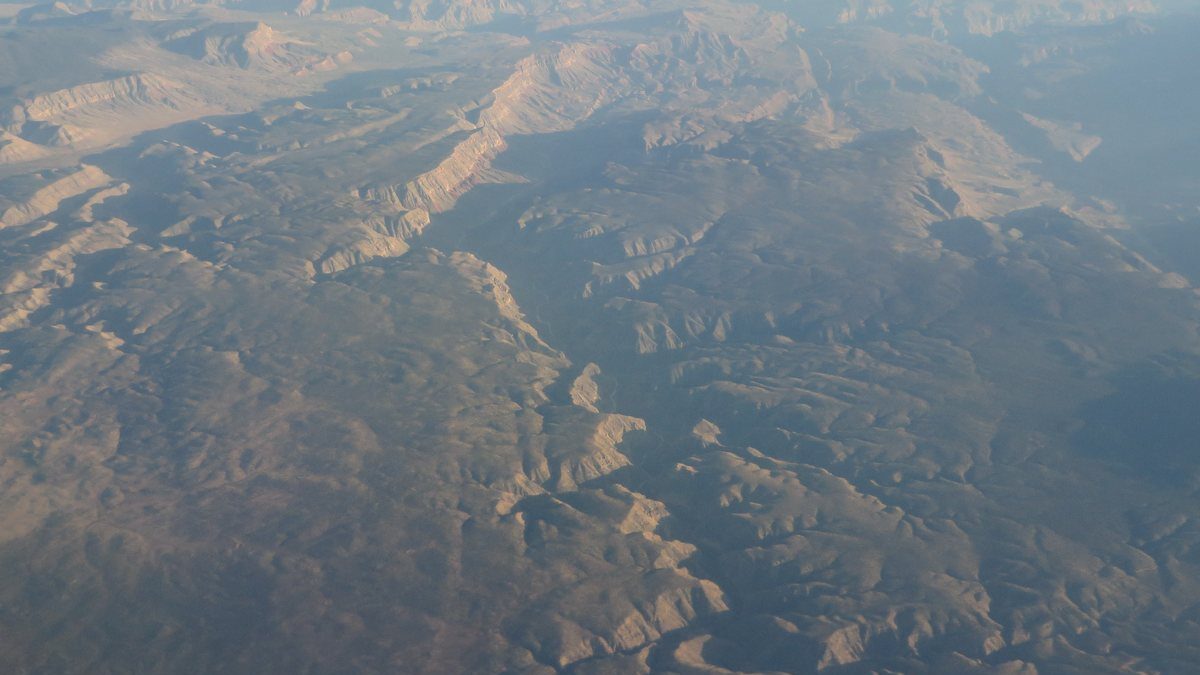
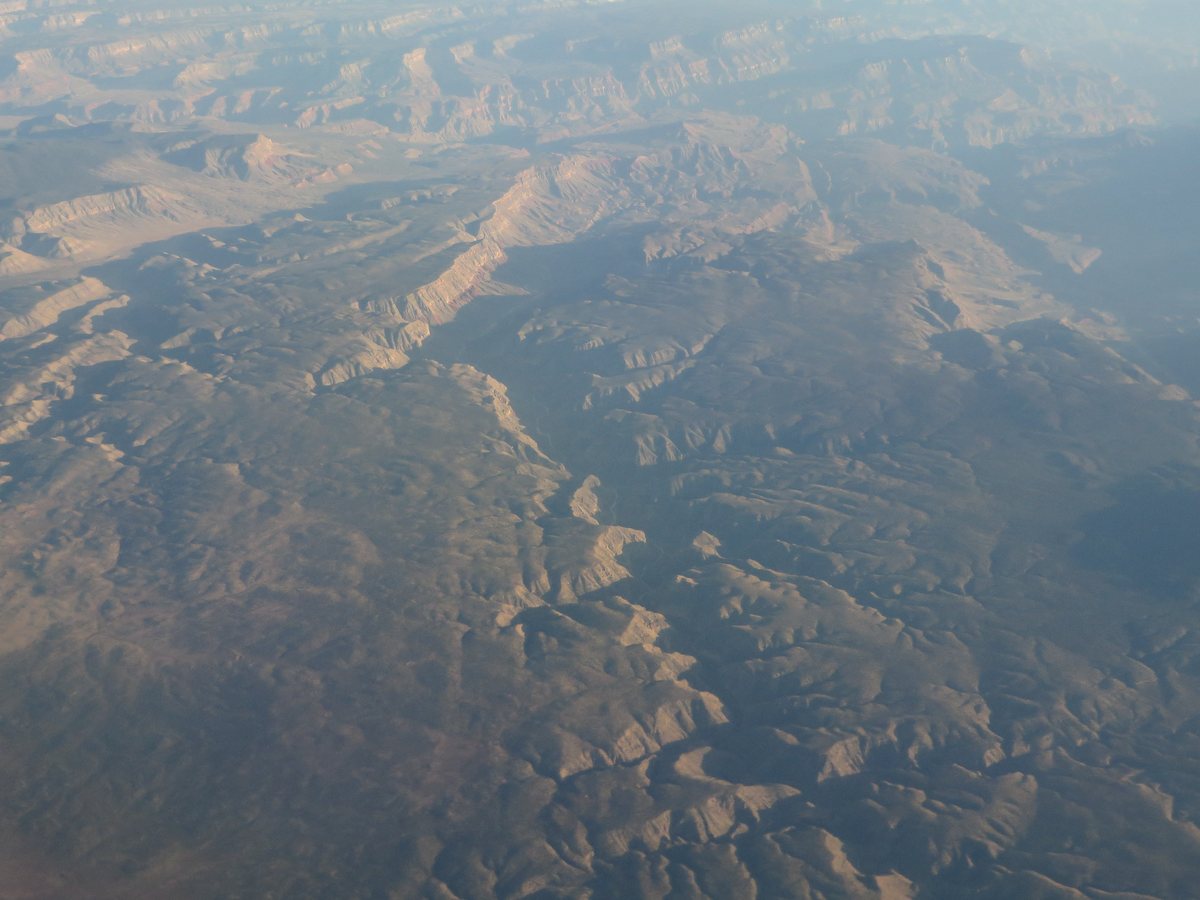
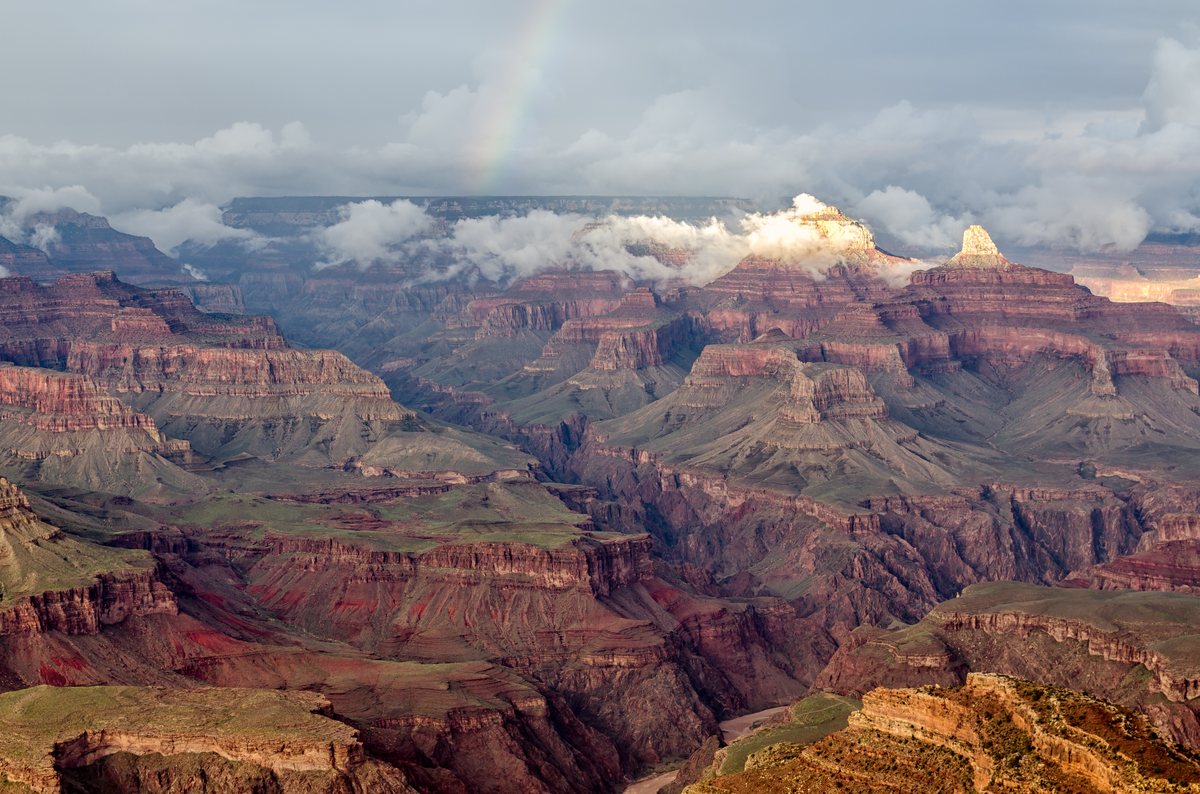
The Shivwits Plateau and Grand Canyon-Parashant National Monument occupy one of the most isolated and environmentally hostile landscapes in the continental United States. Situated in the northwestern Arizona Strip, the plateau is a high-desert tableland composed of black volcanic basalt flows, fractured limestone canyons, and dense juniper scrubland overlooking the western chasm of the Grand Canyon.
There are no paved roads, no developed visitor centers, and no reliable natural water sources across hundreds of square miles. Summer temperatures on the exposed rock surfaces routinely exceed 115°F (46°C), creating extreme thermal stress that accelerates human dehydration to lethal levels within hours. For wilderness backpackers navigating off-trail routes, spatial orientation is severely challenged by repetitive, identical sandstone ridges and blind drainage washes.
The Physiological Collapse of Desert Heat Hyperthermia
Forensic medical experts analyzing the circumstances of Floyd Roberts’ disappearance emphasize the rapid, catastrophic onset of heat hyperthermia and acute dehydration in desert environments. When ambient temperatures exceed 100°F, an adult carrying a heavy multi-day backpack expends more than two liters of water per hour through perspiration and respiration.
Once a hiker loses as little as 3% of their body weight in water, cognitive function deteriorates precipitously, manifesting as confusion, spatial disorientation, impaired judgment, and visual hallucinations. In this state, an individual often makes catastrophic navigational errors—such as descending down an unscalable dry wash away from their planned rendezvous point.
Lost-Person Behavioral Modeling on the Plateau
Search and rescue specialists utilizing lost-person behavioral algorithms established several search priority zones radiating from Kelly Tanks. Behavioral data for lost wilderness backpackers indicates that disoriented subjects frequently seek shade beneath dense pinyon canopies or inside natural limestone overhangs to escape solar radiation during peak afternoon hours.
If an individual collapses inside a shaded rock crevice or under a low-hanging tree canopy, their physical form is effectively masked from aerial helicopter observation and infrared thermal cameras. Despite 400 square miles of aerial and ground search grids conducted by Mohave County SAR and the National Park Service, the rugged basalt terrain of the Shivwits Plateau swallowed all physical evidence.
The Search Legacy & Safety Standards for Canyon Backpacking
The disappearance of Floyd Roberts led to revised wilderness advisory guidelines for the Grand Canyon-Parashant region. The National Park Service now strongly discourages summer off-trail backpacking on the Shivwits Plateau and mandates that all permitted parties carry satellite communication beacons (such as Garmin inReach or SPOT devices) and strict buddy protocols during off-trail bypasses.
The Mohave County Desert Tracking Methodologies & Thermal Imaging Analysis
During the intensive six-day tactical search operation, the Mohave County Sheriff’s Search and Rescue unit deployed specialized desert tracking personnel alongside military UH-60 Blackhawk helicopters equipped with advanced thermal imaging sensors. In desert environments with high ambient ground temperatures, thermal sensors are most effective during the pre-dawn hours between 4:00 AM and 6:00 AM, when the basalt rock cools while organic thermal signatures remain elevated.
Despite hundreds of flight hours across the Kelly Tanks and Shanley Spring drainages, thermal sweeps detected only wild burros, bighorn sheep, and desert coyotes. The absence of human thermal anomalies confirmed that Floyd was either concealed within deep limestone caves or had traveled miles beyond the primary search perimeter.
Information on the Floyd Roberts Disappearance
Please contact the official Grand Canyon investigative branch:
- Grand Canyon National Park Dispatch: (928) 638-7805
- NPS ISB Tip Line: Call/Text 888-653-0009 | Email:
[email protected] - Mohave County Sheriff’s Office: (928) 753-0753
- True Crime Stories Tip Desk: Submit a confidential tip online.
Related National Park Disappearances & Cold Cases
Explore additional comprehensive wilderness missing persons dossiers and historical cold case investigations: