Case File Dossier: James “Jimmy” Hendrick (2020)
- Victim: James “Jimmy” Hendrick (Age 66) — Texas Resident & Hiker
- Date of Disappearance: Friday, June 12, 2020
- Date of Recovery: June 13, 2020 (Deceased — Heat Exhaustion / Dehydration)
- Location: Sand Dune Arch Trail / Devils Garden, Arches National Park, UT
- Ambient Temperature: Exceeded 102°F (39°C) in direct sandstone exposure
- Primary Investigating Agencies: National Park Service ISB, Grand County Sheriff’s Office
- Current Status: Solved Case / Environmental Heat Fatality
- Investigation Desk: National Park Disappearances
In June 2020, 66-year-old Texas native James “Jimmy” Hendrick embarked on a deeply personal pilgrimage across the American Southwest, traveling to national parks to scatter the cremated ashes of his recently deceased father. Accompanied by his loyal pet dog, Jimmy arrived at Arches National Park in eastern Utah during a brutal early-summer heatwave. Setting out on foot near the Sand Dune Arch trailhead in afternoon temperatures soaring past 102°F (39°C), Jimmy became disoriented among the towering sandstone fins. When his unattended vehicle was identified by park rangers, a rapid tactical search located his deceased body off-trail, while his dehydrated dog was found miraculously alive nearby.
The tragic case of Jimmy Hendrick serves as a stark, clinical case study in the rapid, lethal physiology of desert heat exhaustion and dehydration in the canyonlands of Utah. The slickrock sandstone terrain of Arches National Park functions as a natural thermal radiator, absorbing and reflecting solar radiation to create ground-level temperatures exceeding 130°F (54°C). When combined with labyrinthine sandstone fins that obscure visual landmarks, hikers can experience fatal cognitive disorientation within hours of departing marked paths.
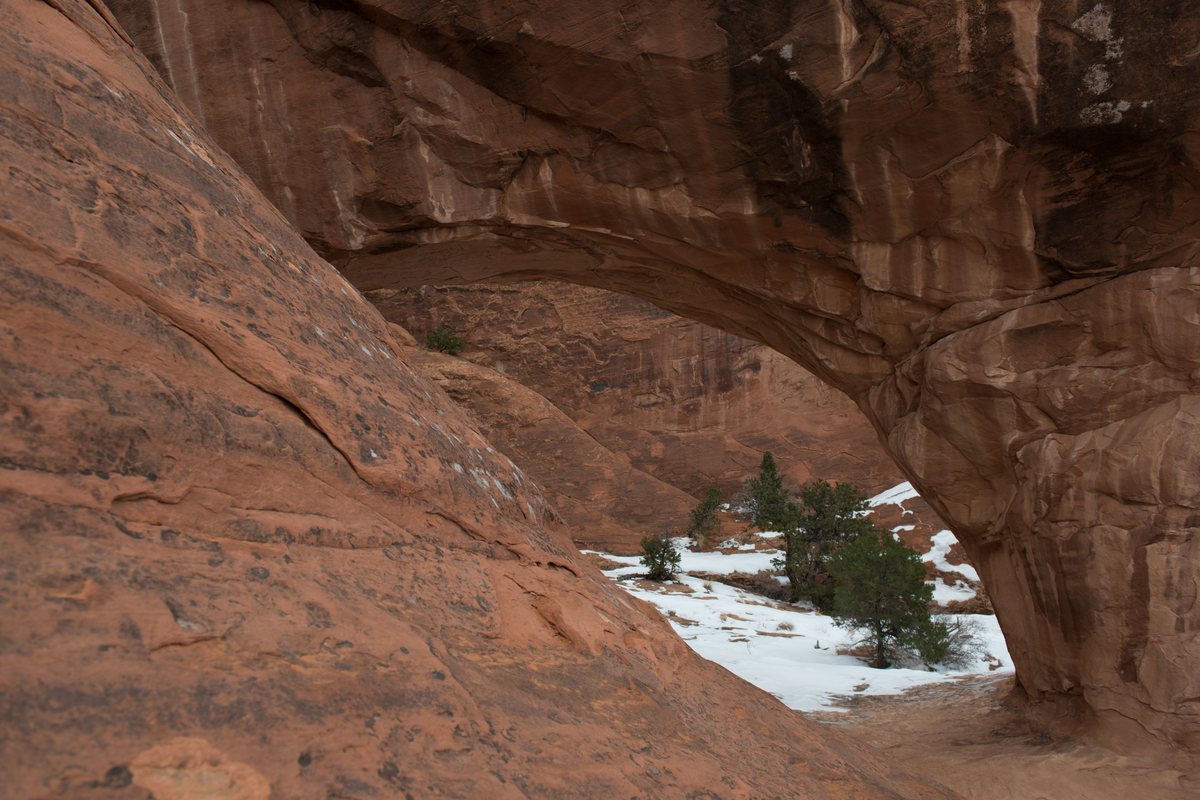
The Memorial Journey across the Southwest
Jimmy Hendrick was a retired Texan known for his adventurous spirit and devotion to his family. Following the passing of his father, Jimmy planned an extensive road trip across Utah, Nevada, and California to fulfill his father’s final wish: scattering his ashes at iconic desert monuments and natural sanctuaries.
On June 11, Jimmy entered Arches National Park, camping nearby and exploring several popular viewpoints. On the afternoon of Friday, June 12, Jimmy parked his vehicle at the Sand Dune Arch parking pull-out. Intending to take a brief walk among the shaded sandstone slots with his dog, he carried only minimal water containers, underestimating the catastrophic thermal load of the desert sun.
The Tactical Search & Discovery off Sand Dune Arch Trail
Late Friday evening, park law enforcement rangers noticed Hendrick’s vehicle remained parked in the day-use lot long after sunset. Checking the registration, rangers discovered Jimmy had not checked into local lodgings and was overdue.
At dawn on Saturday, June 13, National Park Service rangers and Grand County Search and Rescue initiated a ground and air search:
- Ground Tracking: Search teams identified faint canine and boot impressions leading away from the established trail, navigating into a narrow sandstone canyon maze.
- Discovery: Searchers located Jimmy Hendrick’s body lying in a shaded rock alcove approximately one mile off-trail. His small dog was huddled beside him, severely dehydrated but alive.
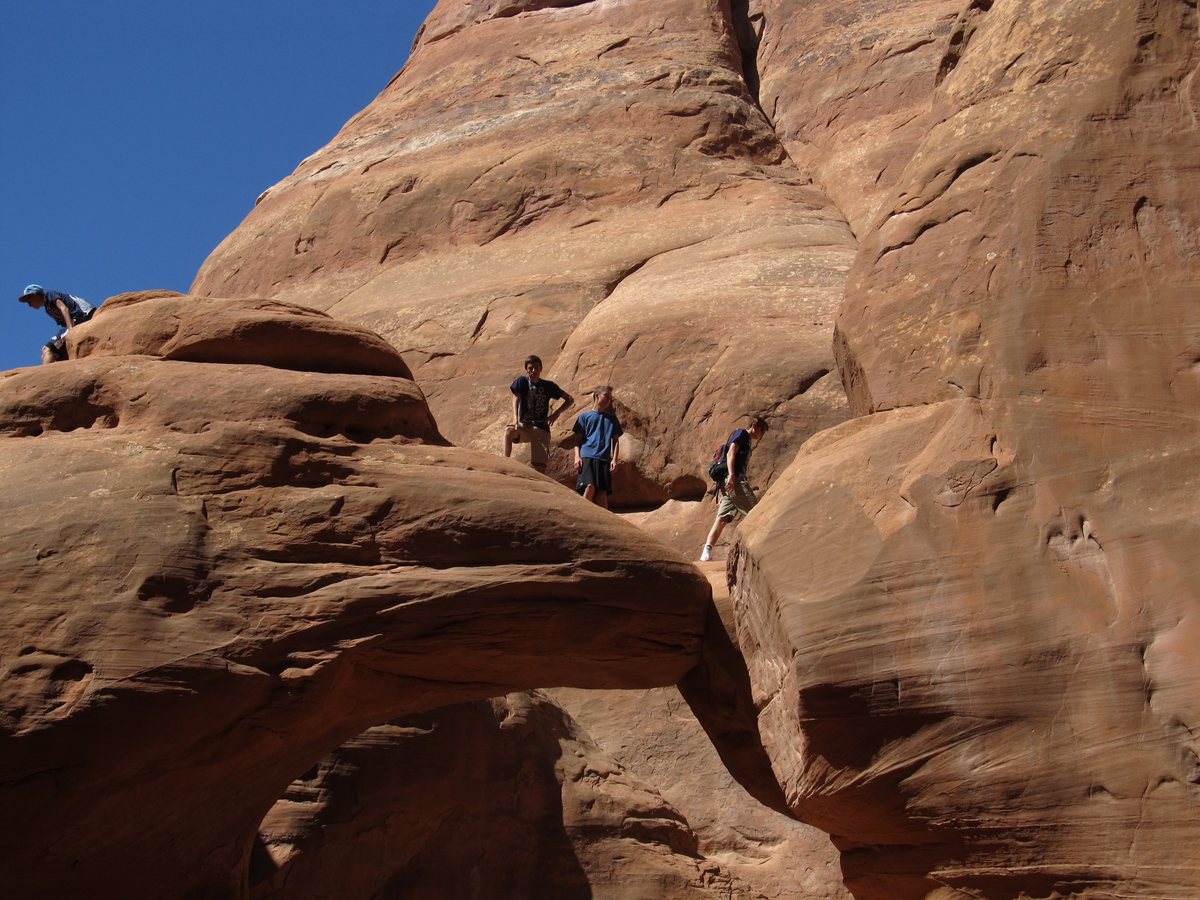
Forensic Analysis: The Physiology of Desert Heat Stroke
The official medical examiner’s autopsy concluded that Jimmy Hendrick died from acute environmental hyperthermia and dehydration.
Forensic analysis highlighted several critical factors:
- Thermal Reflection: Exposed sandstone surfaces multiply ambient heat, accelerating water loss through perspiration to more than 1.5 liters per hour.
- Cognitive Collapse: Once mild dehydration sets in (as little as a 3% drop in body water), spatial orientation and decision-making degrade rapidly, causing hikers to mistake blind fins for exit paths.
- Survival of Pet: The dog’s survival highlighted how animals naturally conserve energy during peak heat hours by resting in shaded overhangs, whereas disoriented human hikers often continue pushing through extreme sun.
Lessons for Desert Safety in National Parks
The National Park Service utilizes the Hendrick case in heat awareness campaigns across the canyon country, emphasizing the “1 Liter per Hour” rule, mandatory salty snacks, and avoiding desert hiking between 10:00 AM and 4:00 PM during summer months.
The Microclimate & Thermal Physics of Arches Slickrock
To understand the rapid demise of Jimmy Hendrick in Arches National Park, one must examine the extreme thermal physics of the Colorado Plateau slickrock environment. Unlike forested national parks where tree canopies provide thermal shade, Arches is dominated by exposed Entrada Sandstone and Navajo Sandstone fins.
These bare sandstone rock formations absorb solar radiation throughout the day, acting as massive thermal heat sinks. While air temperatures in June 2020 reached 102°F (39°C), ground-level radiant temperatures measured on the sandstone surfaces exceeded 135°F (57°C). At these extreme temperatures, the human body absorbs thermal energy from the ambient air, direct sunlight, and reflected ground radiation simultaneously.
The Clinical Progression of Fatal Hyperthermia
Forensic medical examiners analyzing the physiological autopsy of heat stroke fatalities highlight the rapid clinical progression of environmental hyperthermia. When an individual is exposed to extreme radiant heat without adequate water and electrolyte replacement, core body temperature can spike past 105°F (40.5°C) within two to three hours.
As core temperature climbs, the body’s internal thermoregulatory mechanism fails, leading to the cessation of sweating, profound cognitive disorientation, visual hallucinations, and acute motor ataxia (inability to walk in a straight line). In this state of delirium, hikers frequently drop their water containers, shed clothing in a phenomenon known as “paradoxical undressing,” or walk deeper into blind sandstone slots seeking shade.
The Maze of Sand Dune Arch & Devils Garden Fins
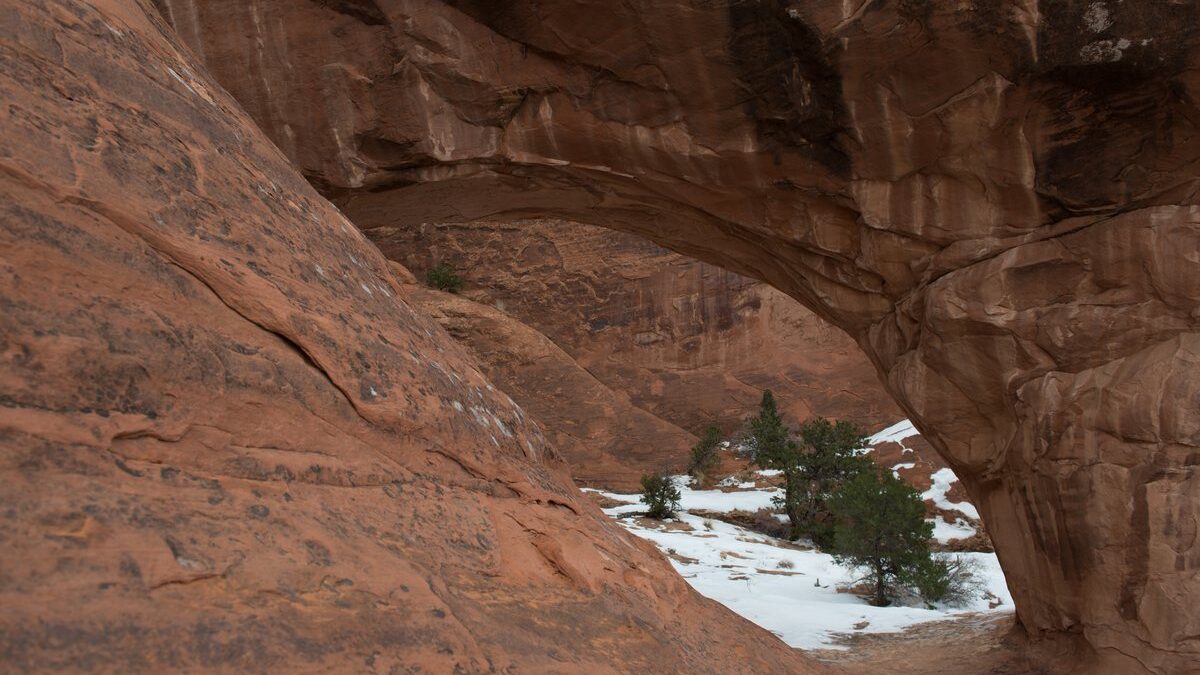
The area surrounding Sand Dune Arch is characterized by towering, parallel fins of red sandstone separated by narrow sandy corridors. From ground level, every sandstone corridor appears identical, creating a natural optical labyrinth where visual landmarks such as roads, vehicles, and trail markers are completely hidden from view.
When Jimmy became disoriented, he navigated into an isolated sandstone corridor roughly one mile from his vehicle. Collapsing in a shaded alcove, his body succumbed to acute heat exhaustion. His loyal dog survived by instinctually remaining motionless in the coolest pocket of shade beneath the overhanging rock, highlighting the critical role of behavioral adaptation in desert survival.
National Park Service Heat Safety Campaigns
Following the recovery of Jimmy Hendrick, the National Park Service in Utah expanded its “Beat the Heat” educational outreach. Park rangers emphasize that desert hikers must carry a minimum of one gallon (4 liters) of water per person per day, consume electrolyte-rich foods, and avoid strenuous physical activity during peak solar hours between 10:00 AM and 5:00 PM.
The Geological Evolution of Arches Sandstone Fins & Labyrinths
The dramatic sandstone fins of Arches National Park were sculpted over millions of years through deep geological processes. Beneath the sandstone lies a thick layer of subterranean salt deposited by an ancient inland sea. Under the weight of overlying sediment, the salt layer shifted and buckled, cracking the brittle sandstone into parallel vertical fractures.
Water, ice, and wind eroded these fractures over eons, leaving narrow, hundred-foot-tall sandstone walls standing like books on a library shelf. Navigating between these fins without GPS or topographic compass creates an optical illusion where every turn appears identical, turning a short quarter-mile scenic walk into a disorienting, fatal maze for unprepared travelers.
The Structural Geology of Arches National Park Fins
The distinctive sandstone fins that define Arches National Park were formed through millions of years of complex geological movements. Deep beneath the desert surface lies the Paradox Formation—a massive layer of subterranean evaporite salt deposited by ancient seas over 300 million years ago.
Under the immense weight of overlying sandstone strata, the plastic salt layer flowed and buckled, cracking the brittle sandstone into thousands of parallel vertical joints. Over eons, rainwater dissolved the sandstone along these fractures, widening the gaps and leaving parallel, hundred-foot-tall sandstone walls standing like giant books on a shelf.
The Optical Illusion of Sandstone Labyrinths & Desert Navigation
Navigating between the towering fins of Devils Garden and Sand Dune Arch creates a dangerous optical illusion for disoriented hikers. Because each fin consists of identical red Entrada Sandstone and walls rise vertically on all sides, standard visual landmarks like roads, mountain peaks, and visitor centers are entirely obscured.
When a hiker enters these narrow slots during extreme summer temperatures exceeding 100°F, cognitive confusion from dehydration quickly makes retracing steps impossible. The tragedy of Jimmy Hendrick serves as a stark reminder of the lethal speed with which desert slickrock can disorient and overwhelm even experienced travelers.
Desert Safety Inquiries & National Park Service Guidelines
For backcountry permits and desert survival guidelines in the Utah canyonlands, contact:
- Arches National Park Visitor Information: (435) 719-2299
- Grand County Sheriff’s Search & Rescue: (435) 259-8115
- True Crime Stories Case Files: Submit an inquiry.