Case File Dossier: Joseph Halpern (1933)
- Victim: Joseph Halpern (Age 28) — Department of Commerce Meteorologist
- Date of Disappearance: Tuesday, August 15, 1933
- Location: Taylor Peak / Flattop Mountain, Rocky Mountain National Park, CO
- Physical Profile: 5’8″, 145 lbs, dark hair, athletic build
- Destination: Solo high-altitude day hike across the Continental Divide
- Primary Investigating Agencies: National Park Service, Larimer County Sheriff, Civilian Conservation Corps (CCC)
- Current Status: Unsolved Historical Cold Case Enigma
- Investigation Desk: National Park Disappearances
On the morning of August 15, 1933, 28-year-old U.S. Department of Commerce meteorologist Joseph Halpern departed from Sprague’s Lodge in the heart of Rocky Mountain National Park for an ambitious solo day hike across the alpine crest of the Continental Divide. A brilliant young scientist and experienced mountain hiker, Halpern planned to ascend Flattop Mountain, cross the high-altitude tundra to the summit of 13,153-foot Taylor Peak, and return to his lodge before nightfall. He was seen conversing with fellow hikers near Bear Lake in early morning light—and was never seen again.
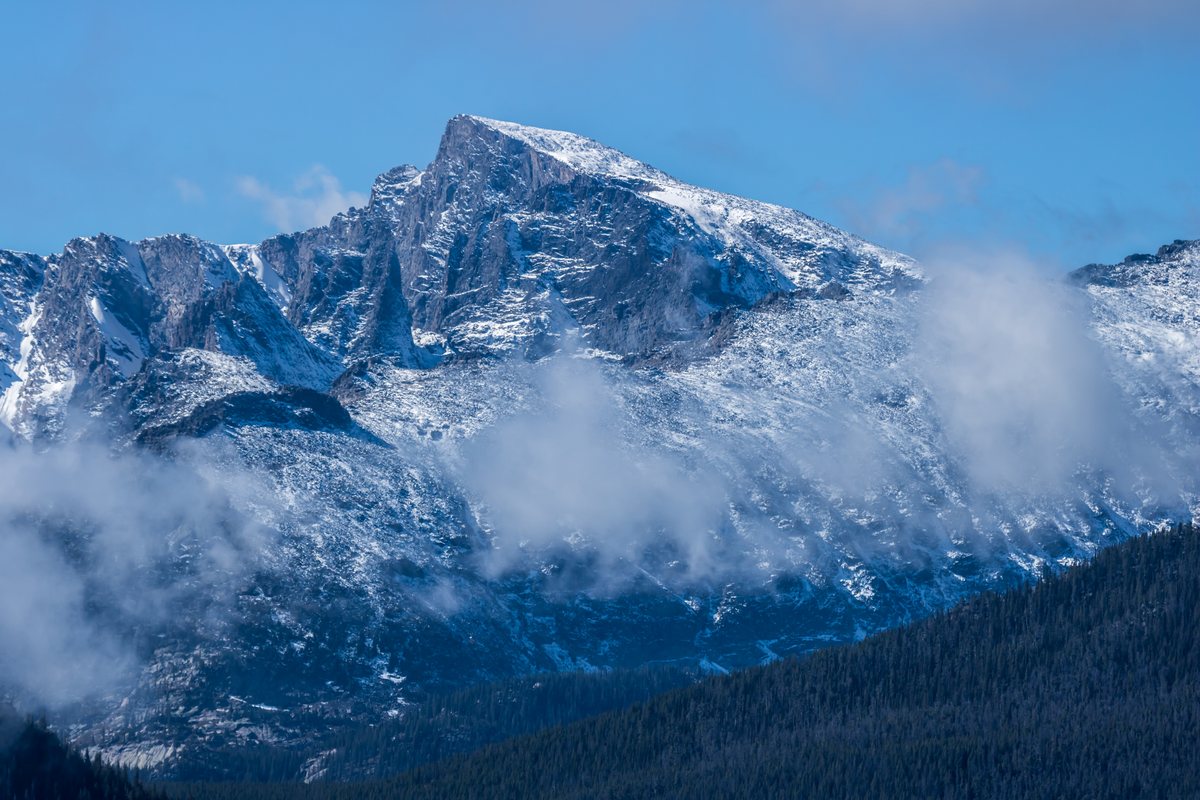
The high alpine tundra of Rocky Mountain National Park encompasses some of the most exposed, storm-swept terrain in North America. Sitting above 12,000 feet, the Continental Divide features sheer 1,000-foot granite precipices, extensive glacial boulder fields, perpetual snowfields, and sudden catastrophic electrical storms. Despite an unprecedented multi-week search involving hundreds of National Park Service rangers, local mountaineers, bloodhound tracking units, and Civilian Conservation Corps (CCC) personnel, Joseph Halpern vanished without leaving a single piece of clothing, footprint, or gear.
The Solo Alpine Hike across the Continental Divide
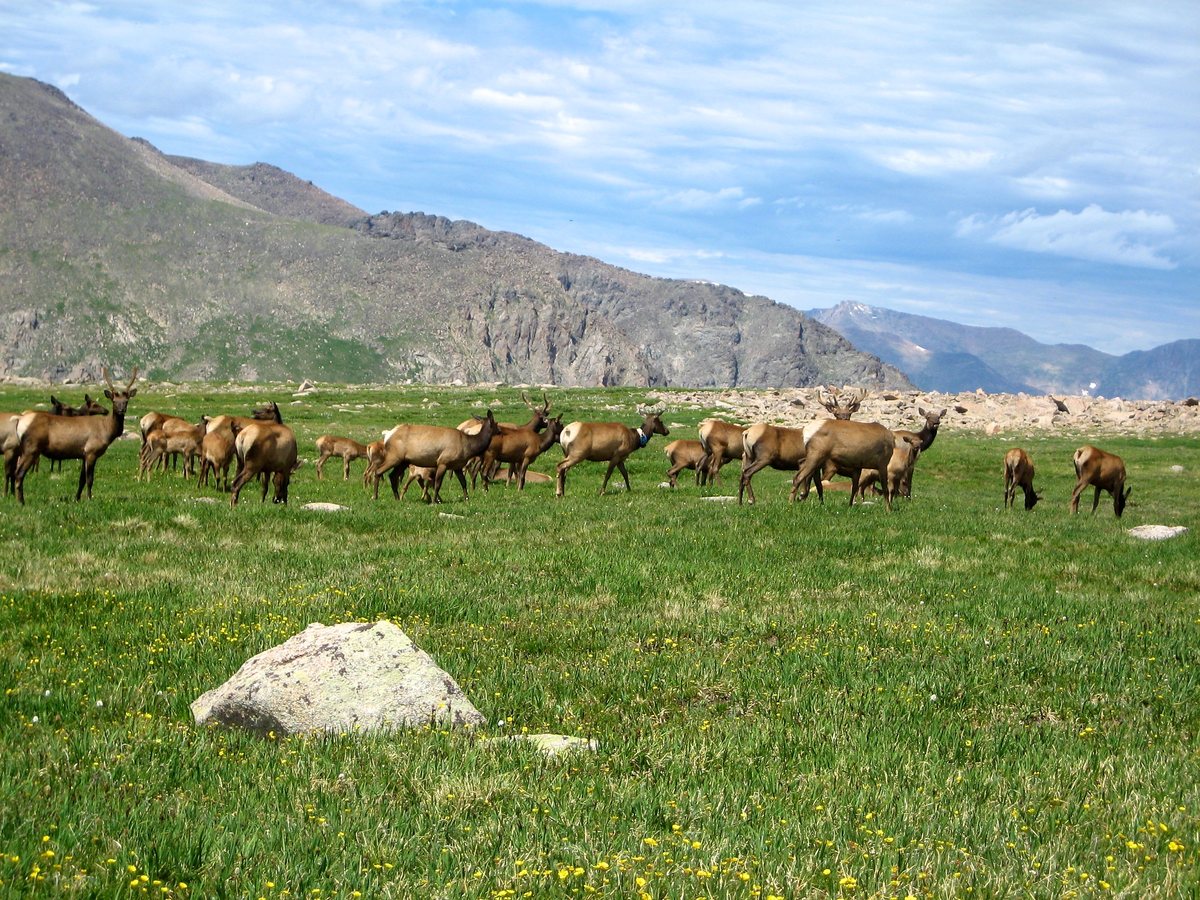
Joseph Halpern was stationed in Denver with the Department of Commerce weather bureau and spent his weekends exploring the Colorado Rockies. He was in prime physical conditioning, understood high-altitude weather patterns, and carried a light pack containing trail rations, an altimeter, and a camera.
On August 15, Halpern left Sprague’s Lodge around 6:30 AM. He reached the Bear Lake trailhead and began ascending the Flattop Mountain Trail. Multiple hikers confirmed speaking with Halpern as he approached the Continental Divide plateau, reporting that he was cheerful, well-paced, and heading south toward Taylor Glacier and Taylor Peak.
When Halpern failed to return to Sprague’s Lodge by late evening, lodge staff immediately contacted Rocky Mountain National Park headquarters.
The 1933 Search: CCC Units & Bloodhound Sweeps
Park Superintendent Edmund Rogers mobilized an unprecedented search force:
- Civilian Conservation Corps (CCC) Skirmish Lines: Over 150 young CCC workers and experienced mountain guides formed tight human search lines across the Flattop tundra, checking every crevice and talus boulder.
- Glacier & Bergschrund Inspections: Technical climbers descended into the deep crevasses of Taylor Glacier and Tyndall Glacier.
- Canine Units: Tracking dogs were brought in from Denver, but high-altitude winds and barren granite bedrock prevented tracking.
The search continued for three intensive weeks, but no physical trace of Halpern was ever discovered.
Forensic Hypotheses & Alpine Hazards
Forensic experts evaluated several high-altitude scenarios:
1. Fall into Taylor Glacier Crevasse or Bergschrund
The northeast face of Taylor Peak drops sheer into Taylor Glacier, featuring deep, snow-bridged bergschrunds. If Halpern lost his footing on steep ice or snow, he could have plunged into a subterranean crevasse where tons of shifting ice permanently encased his body.
2. Sudden High-Altitude Lightning Strike
Summer afternoons on the Continental Divide are infamous for lethal lightning strikes. A direct strike on the exposed 13,000-foot summit could have incapacitated Halpern, causing a tumble down the sheer western precipices into the remote Loch Vale basin.
Historical Parallels & Legacy
The disappearance of Joseph Halpern is the oldest unsolved missing person cold case in Rocky Mountain National Park history, highlighting the severe environmental hazards of high-altitude alpine terrain.
Current Status & Historical Inquiries
The disappearance remains an open historical cold case:
The Alpine Meteorology & Lightning Hazards of the Continental Divide
As a professional meteorologist for the U.S. Department of Commerce weather bureau, Joseph Halpern was intimately familiar with atmospheric dynamics. However, the high alpine tundra of Rocky Mountain National Park along the Continental Divide represents one of the most electrically volatile and storm-prone regions in North America.
During mid-August, moist air masses colliding with the 13,000-foot peaks of Taylor Peak, Flattop Mountain, and Longs Peak generate sudden, violent orographic thunderstorms known as “monsoonal pulses.” These storms develop with astonishing speed, transforming clear blue skies into freezing rain, sleet, blinding fog, and continuous cloud-to-ground lightning within thirty minutes. On the exposed, tree-less tundra above 12,000 feet, a lone hiker becomes the highest electrical conduit on the mountain.
Glacial Moraines, Scree Chutes & Bergschrund Hazards
The eastern face of Taylor Peak drops precipitously over 1,500 vertical feet into the Taylor Glacier cirque and the deep gorge of Loch Vale. The terrain consists of loose granite scree, towering vertical headwalls, and permanent glacial ice.
At the upper edge of Taylor Glacier lies a prominent bergschrund—a deep crevasse where the moving glacier separates from the stagnant ice and bedrock of the mountain headwall. If Halpern lost his footing on the slick tundra during a sudden summer sleet storm and slid over the headwall, he would have plummeted directly into the subterranean bergschrund. Over the subsequent winter, dozens of feet of alpine snow and ice would permanently seal the crevasse, concealing his remains beneath the glacier.
The 1933 Civilian Conservation Corps (CCC) Mobilization
The search for Joseph Halpern in August 1933 mobilized the largest civilian rescue operation in Colorado history up to that time. The Civilian Conservation Corps (CCC)—established by President Franklin D. Roosevelt earlier that year—had several operational camps stationed within Rocky Mountain National Park.
Under the direction of Park Superintendent Edmund Rogers, over 150 CCC enrollees formed human skirmish lines across the tundra, spacing themselves ten feet apart and sweeping the entire ridgeline from Flattop Mountain to Andrews Glacier. Despite thousands of man-hours spent checking every granite crevice, boulder cave, and alpine tarn, the mountain retained its secret, establishing the Joseph Halpern case as Rocky Mountain National Park’s most enduring historical enigma.
Historical Significance & Modern Alpine Safety
The Joseph Halpern investigation established early operational protocols for high-altitude mountain searches in the National Park system. Today, Rocky Mountain National Park rescue rangers cite the Halpern case when instructing hikers on the importance of early-morning starts to avoid afternoon lightning and the extreme dangers of solo traverses across the Continental Divide.
The Geomorphology of Taylor Glacier and Andrews Tarn
The glacial cirques beneath Taylor Peak and Flattop Mountain contain massive lateral and terminal moraines composed of razor-sharp granite boulders the size of automobiles. In these high-elevation cirques, melting snowfields create subterranean meltwater channels that flow beneath the boulder piles before emerging into subalpine lakes such as Andrews Tarn and The Loch.
A body deposited in a glacial bergschrund or falling down the Taylor headwall would be gradually transported by moving ice into these subterranean boulder fields, permanently entombing skeletal remains beneath thousands of tons of glacial debris.
The High-Altitude Physiology of Continental Divide Traverses
Traversing the Continental Divide in Rocky Mountain National Park between Flattop Mountain and Taylor Peak involves sustained hiking above 12,000 feet elevation. At this altitude, atmospheric pressure is roughly 35% lower than at sea level, reducing available oxygen and placing extreme metabolic demands on the human cardiovascular system.
Even physically fit mountain travelers can experience acute mountain sickness, characterized by headaches, spatial disorientation, and reduced cognitive reaction time. When combined with sudden alpine temperature drops—where a sunny 65°F morning can plummet to 25°F with blinding sleet and freezing fog in minutes—hypothermia can incapacitate an exposed hiker within two hours.
The Glacial Topography of Taylor Peak & Loch Vale
The eastern escarpment of Taylor Peak plunges over 1,500 vertical feet into the rugged glacial cirque of Taylor Glacier and Loch Vale. The terrain consists of loose granite talus, vertical rock headwalls, and deep subterranean bergschrund crevasses.
A hiker who lost footing on the slippery tundra during a sudden summer snow squall would slide uncontrollably over the precipice into the glacier below. The moving ice mass and annual snow accumulations of the Continental Divide would permanently conceal human remains, establishing the Joseph Halpern disappearance as Rocky Mountain National Park’s most enduring high-altitude enigma.
Subsequent geological surveys of the Loch Vale cirque note that the perpetual freeze-thaw cycles and massive rock glaciers in the basin slowly grind and transport surface materials downward, permanently burying organic artifacts beneath decades of alpine scree and permanent ice.
Rocky Mountain National Park Cold Case Research
For historical research inquiries regarding Rocky Mountain National Park cold cases:
- Rocky Mountain National Park Information Office: (970) 586-1206
- NPS ISB Tip Line: Call/Text 888-653-0009 | Email:
[email protected] - True Crime Stories Case Files: Submit an investigative inquiry.