Case File Dossier: Matthew Greene (2013)
- Victim: Matthew Greene (Age 39) — High School Mathematics Teacher & Experienced Alpinist
- Date of Disappearance: Tuesday, July 16, 2013
- Location: Minarets / Ansel Adams Wilderness, Inyo & Sierra National Forests, CA
- Physical Profile: 5’11”, 155 lbs, brown hair, hazel eyes, lean athletic build
- Vehicle Found: Subaru Outback parked at Mammoth Lakes repair shop; day climbing gear missing
- Primary Investigating Agencies: Mono County Sheriff’s Search and Rescue, Inyo County Sheriff, USFS
- Current Status: Active Unsolved Missing Person Cold Case
- Investigation Desk: National Park Disappearances
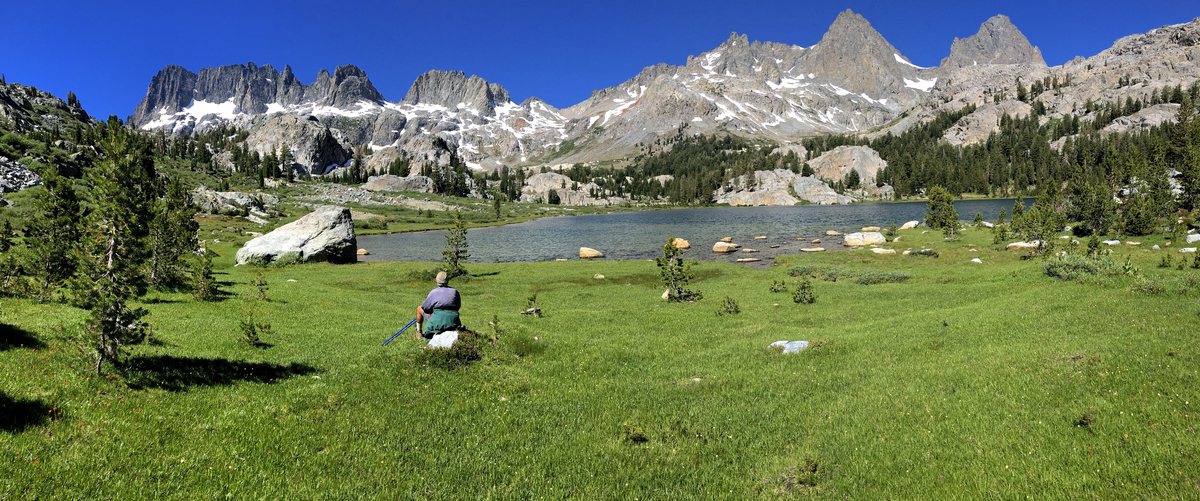
On the morning of July 16, 2013, 39-year-old Pennsylvania high school mathematics teacher and accomplished mountaineer Matthew Greene set out on a solo alpine climb into the jagged volcanic spires of the Minarets in the Ansel Adams Wilderness near Mammoth Lakes, California. Matthew had traveled west for an extended mountaineering vacation with close friends, but when his vehicle broke down in Mammoth Lakes awaiting replacement parts, he decided to take a public shuttle bus to the Devils Postpile trailhead for a day climb. He never returned.
Matthew Greene was an exceptionally disciplined, safety-conscious climber who possessed years of technical rock and alpine climbing experience across North America. He was not an amateur taking reckless risks; his campsite was meticulously organized, and he had researched route topographies for Mount Ritter, Banner Peak, and the Minaret traverse. Despite an intense multi-week search deploying California Highway Patrol helicopters, elite alpine search teams, and specialized search dog units across hundreds of square miles of glaciated granite terrain, no trace of Matthew or his climbing equipment has ever been recovered.
The Summer Mountaineering Expedition to Mammoth Lakes
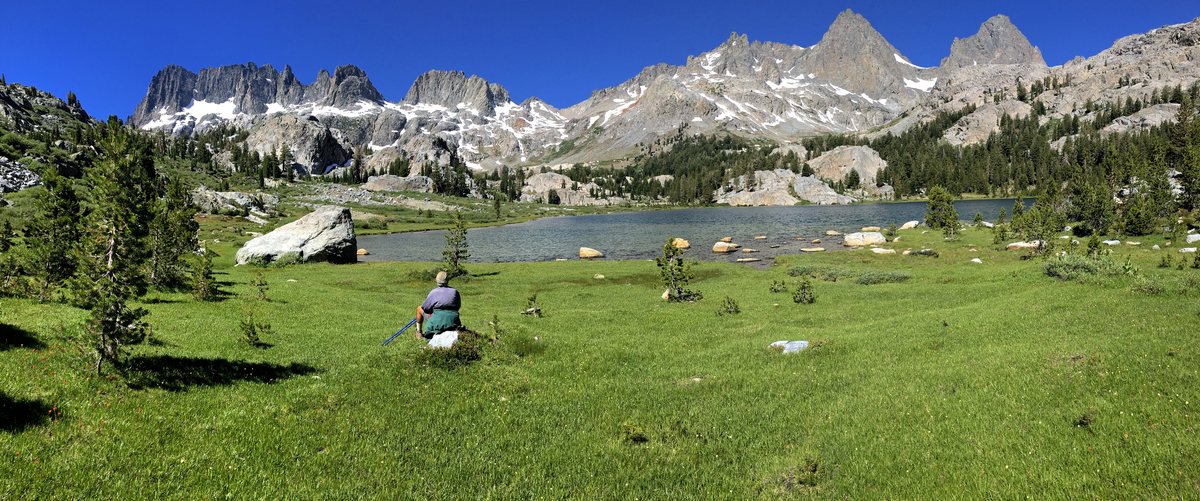
Matthew Greene traveled from Pennsylvania to California in late June 2013 to spend his summer break climbing prominent peaks in the High Sierra alongside two climbing companions. The group established their base camp at the Shady Rest Campground in Mammoth Lakes.
In mid-July, Greene’s Subaru Outback suffered mechanical issues and was towed to a local repair shop in Mammoth Lakes. While his companions departed for scheduled commitments elsewhere, Matthew elected to stay in Mammoth Lakes to await the car repairs and continue climbing solo. On July 15, he made multiple phone calls and text messages to family members, cheerfully describing his plans for a day ascent into the Minarets or Mount Ritter before taking a shuttle bus into the wilderness on the morning of July 16.
When Matthew failed to check out of his campsite on July 22 and missed scheduled phone calls with family, campground staff and relatives alerted the Mono County Sheriff’s Department. Investigators found his campground intact, with his passport, laptop, and heavy camping gear neatly stored, while his lightweight day climbing pack, helmet, harness, and climbing shoes were missing.
The Alpine Search Operation across the Ritter Range
Mono County Sheriff’s Search and Rescue (MOSAR) initiated a massive tactical search operation in collaboration with Inyo County SAR, Yosemite National Park SAR, and the California Highway Patrol:
- Aviation High-Angle Reconnaissance: CHP helicopters flew hundreds of hours over the sheer couloirs, knife-edge aretes, and glacial bergschrunds of Mount Ritter, Banner Peak, Clyde Minaret, and Michael Minaret.
- Technical Mountaineering Grids: Elite alpine climbing teams scaled technical Class 4 and 5 rock routes and searched the unstable volcanic scree slopes of Iceberg Lake, Cecile Lake, and Shadow Lake.
- Canine Scent Tracking: Search dogs detected scent interest near the talus fields flanking Iceberg Lake, but unstable rockfall conditions prevented definitive confirmation.
Despite exhaustive efforts across hundreds of square miles of glaciated terrain, searchers found no discarded gear, no climbing anchors, and no trace of Matthew Greene.
Forensic Hypotheses & Mountaineering Analysis
Mountaineering experts and forensic searchers evaluated several primary hypotheses:
1. Catastrophic Rockfall or Bergschrund Fall
The Minarets and Ritter Range are composed of fractured metavolcanic rock known for severe instability and spontaneous rockfall. A climber ascending a steep couloir near Iceberg Lake could have triggered a rock avalanche or fallen into a deep, concealed bergschrund (a gap between glacier ice and bedrock), where tons of snow and rock would instantly entomb the victim.
2. Off-Trail Route Disorientation into Remote Canyons
If Matthew suffered an injury and attempted to descend off-route into the remote North Fork of the San Joaquin River or Iron Mountain ridge, he may have become trapped in dense wilderness brush far from standard search corridors.
Historical Parallels in Sierra Nevada Cold Cases
Matthew Greene’s disappearance shares profound similarities with other High Sierra mysteries, notably the 1996 vanishing of Ranger Randy Morgenson in Kings Canyon and the 2005 case of Michael Ficery in Yosemite.
Current Status & Official Cold Case Tip Reporting
The disappearance of Matthew Greene remains an active cold case. Anyone with information or mountaineering sightings from the Ansel Adams Wilderness in July 2013 is encouraged to contact authorities:
The Geological Hazards of the Minarets & Ritter Range
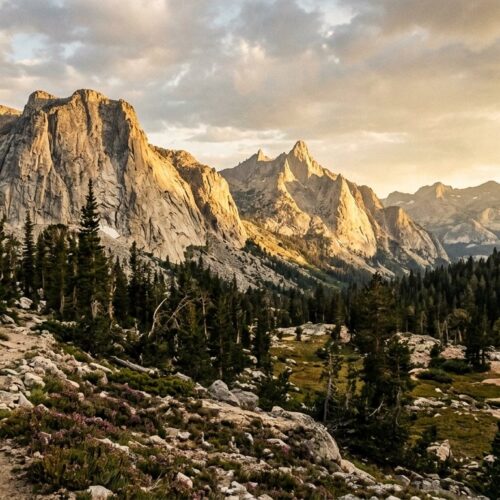
The Minarets and Ritter Range within the Ansel Adams Wilderness represent some of the most geologically severe and visually dramatic alpine crests in North America. Unlike the smooth, cohesive granite monoliths of Yosemite Valley, the Minarets are composed of heavily fractured metavolcanic rock that is notoriously brittle, loose, and prone to spontaneous rockfall.
Technical climbing routes on summits such as Clyde Minaret, Michael Minaret, and Mount Ritter feature steep Class 4 and Class 5 terrain with exposed knife-edge aretes, vertical chimneys, and unstable scree chutes. A climber ascending solo without a rope is vulnerable to rock holds breaking away without warning, triggering catastrophic falls down thousands of feet of near-vertical cliffs.
Bergschrunds & Sub-Glacial Confinement Hazards
At the base of the Minarets and Mount Ritter lie permanent snowfields and small alpine glaciers, including the Ritter Glacier and Iceberg Glacier. The interface between permanent glacial ice and vertical rock faces creates massive, deep chasms known as bergschrunds.
During the midsummer thaw in July, these bergschrunds can drop dozens of feet into freezing, pitch-black subterranean ice caverns. A climber crossing a high snowfield who slips or triggers a localized snow slide can easily plunge into a concealed bergschrund, where tons of shifting snow and falling rocks can permanently bury the victim beneath feet of ice. Such alpine traps explain why high-altitude search dogs detected brief scent interest near the talus of Iceberg Lake before shifting snow and rockfall halted search efforts.
Digital Forensics & Campground Investigations
Mono County Sheriff’s investigators conducted comprehensive examinations of Matthew Greene’s campground and digital footprint. Matthew was exceptionally organized: his hotel reservation, vehicle repair paperwork, passport, and climbing guidebooks were neatly arranged at his Shady Rest campsite. His text messages and phone conversations on July 15 revealed an enthusiastic, highly focused climber looking forward to exploring the High Sierra peaks. The total absence of personal conflict or depression confirms that his disappearance was the tragic result of an unavoidable alpine climbing misadventure.
Ongoing Investigations & Alpinist Community Searches
In the years following Matthew’s disappearance, volunteer climbing groups and private search parties have continued to inspect the couloirs and moraines of the Minarets during low-snow summer seasons. The Mono County Sheriff’s Search and Rescue team maintains the file as an active cold case, urging all alpine climbers who discover gear or artifacts in the Ritter Range to photograph the coordinates and contact law enforcement immediately.
Alpine Climbing Safety Protocols & The Role of Redundant Locators
The vanishing of Matthew Greene prompted widespread discussion throughout the American alpine climbing community regarding solo mountaineering safety. Veteran climbers emphasize that even experienced alpinists should carry satellite-linked SOS transceivers (such as Personal Locator Beacons or two-way satellite messengers) securely fastened to their climbing harnesses.
In jagged volcanic terrain like the Minarets, where rockfall can instantly incapacitate a climber or pin them inside an inaccessible couloir, an automated or manual distress beacon provides the only reliable means of initiating an immediate aerial rescue before hypothermia or injury proves fatal.
Technical Rope Work & Rescue Grid Logistics in the Ritter Range
The high-altitude cirque containing Iceberg Lake, Cecile Lake, and the Minarets represents some of the most logistically demanding alpine search terrain in California. Operating at elevations exceeding 10,000 feet, search personnel face severe physiological fatigue, reduced oxygen levels, and unpredictable weather fronts that sweep over the Sierra crest from the Pacific.
During the multi-week search for Matthew Greene, Mono County SAR teams established high-angle rope systems across dozens of technical climbing pitches on the Minaret spires. Rescue climbers methodically checked steep couloirs, frozen bergschrund gaps, and talus aprons where falling rocks regularly accumulate. The severe avalanche and rockfall hazard in the Minarets forced search leaders to implement strict safety protocols, including spotters posted with air horns to warn searchers of descending boulders.
Historical Lessons for High Sierra Solo Mountaineers
The unresolved disappearance of Matthew Greene continues to serve as an important case study in alpine search and rescue literature. Wilderness survival experts stress that solo climbers in remote wilderness areas must establish redundant check-in protocols, leave detailed topographic route cards with local ranger stations, and utilize satellite emergency communication beacons equipped with automatic impact-detection sensors.
Information on the Matthew Greene Disappearance
Please contact the official investigative agency:
- Mono County Sheriff’s Office: (760) 932-7549
- Inyo County Sheriff’s Office: (760) 878-0383
- NPS ISB Tip Line: Call/Text 888-653-0009 | Email:
[email protected] - True Crime Stories Tip Desk: Submit a confidential lead online.
Related National Park Disappearances & Cold Cases
Explore additional comprehensive wilderness missing persons dossiers and historical cold case investigations: