Case File Dossier: Kirk Thomas Meyer (2015)
- Victim: Kirk Thomas Meyer (Age 53) — Experienced Backcountry Horseman
- Date of Disappearance: Wednesday, June 10, 2015
- Location: Medano Pass / Sand Ramp Trail, Great Sand Dunes National Park & Preserve, CO
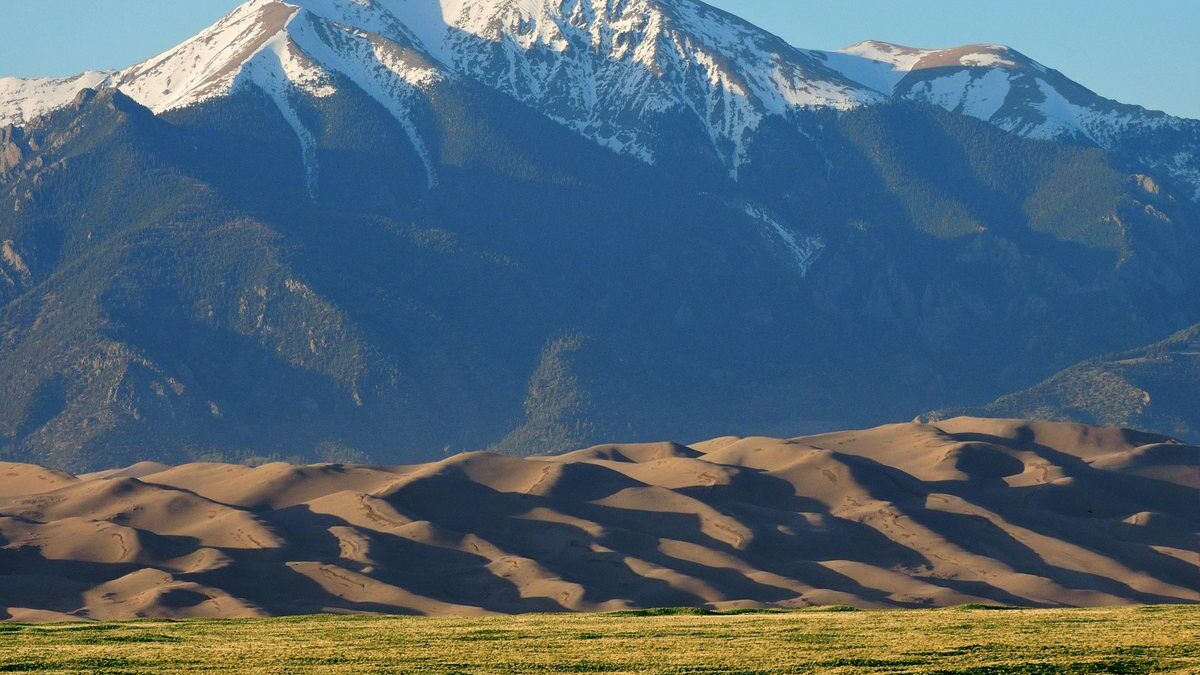
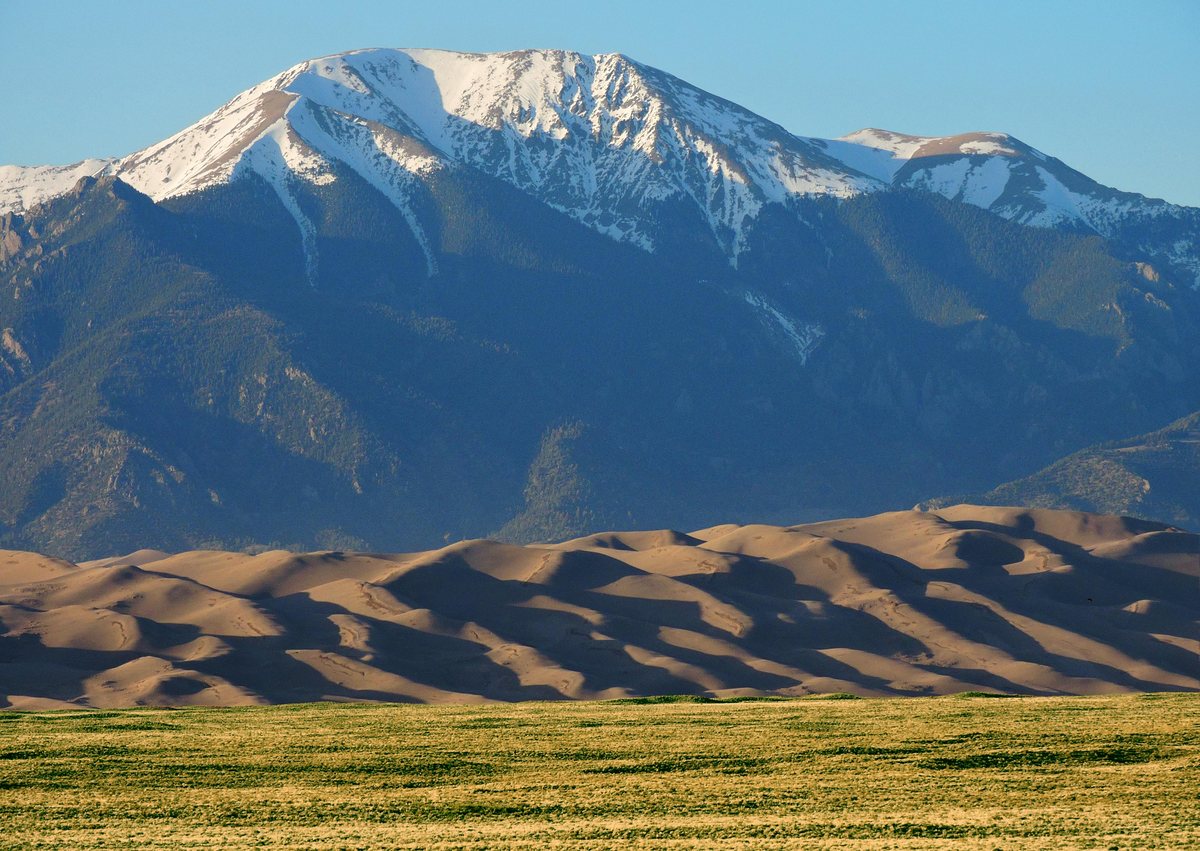
- Terrain Type: Massive aeolian sand dunes (750-ft peaks), alpine pine forests, swift sand creeks
- Animals Recovered: Mule and saddle horse located wandering days later with saddles intact
- Primary Investigating Agencies: National Park Service ISB, Saguache County Sheriff’s Office
- Current Status: Active Unsolved Missing Person Cold Case
- Investigation Desk: National Park Disappearances
In June 2015, 53-year-old experienced Colorado horseman and wilderness outfitter Kirk Thomas Meyer embarked on a multi-day solo pack trip into the shifting sand peaks and rugged Sangre de Cristo foothills of Great Sand Dunes National Park and Preserve. Traveling with two pack animals—a horse and a mule—Kirk planned to traverse the primitive Medano Pass corridor and Sand Ramp Trail. Several days later, park visitors were startled to encounter his horse and mule wandering alone along Medano Creek with their pack saddles and gear still attached. Kirk Meyer had completely vanished from the dunes.
Great Sand Dunes National Park features North America’s tallest dunes, towering over 750 vertical feet amidst high desert winds and alpine mountain peaks. The landscape is extraordinarily dynamic: shifting sands can erase tracks within minutes, surface sand temperatures routinely reach 140°F (60°C) during midday, and flash floods through Medano Creek can reshape the terrain overnight. Despite an exhaustive multi-agency search deploying mounted search posses, thermal imaging helicopters, and ground tracking teams across the 30-square-mile dune field, not a single trace of Kirk Meyer has ever been recovered.
The Solo Pack Trip into Medano Pass
Kirk Meyer was an experienced outdoorsman from Saguache County who had ridden horses and packed mules through the Colorado mountains for decades. He was intimately familiar with equine behavior, desert hydration requirements, and mountain navigation.
On June 9, Kirk loaded his pack horse and mule and rode into the park along the Medano Pass primitive road. The weather was characterized by high summer temperatures and strong afternoon wind gusts that whipped sand across the dunes.
On June 11, campers at the Castle Creek picnic area discovered Kirk’s horse and mule grazing near the creek bed. The animals’ pack saddles, lead ropes, and basic camp gear were intact, but their rider was nowhere to be seen. Recognizing an immediate emergency, the campers alerted National Park Service law enforcement rangers.
The Multi-Agency Search: Mounted Posses & Aerial FLIR
The National Park Service, in conjunction with the Saguache County and Alamosa County Sheriff’s Offices, mounted a massive search and rescue operation:
- Mounted Search Posses: Over 40 expert horsemen traversed the rugged transition zone between the dunes and the Sangre de Cristo Mountains, checking every aspen grove, gully, and scree slope.
- Aviation Thermal Sweeps: Colorado Army National Guard Blackhawk helicopters equipped with Forward Looking Infrared (FLIR) cameras flew day and night grid sweeps over the dune field.
- Canine SAR Units: Tracking and human remains detection dogs swept the Medano Creek corridor and Sand Ramp Trail.
Despite a seven-day operation covering over 50 square miles, shifting sands and high winds erased all footprints, leaving searchers without a single clue.
Forensic Hypotheses & Environmental Dynamics
Search specialists evaluated several potential scenarios:
1. Equine Accident & Burial by Shifting Sands
The primary working hypothesis is that Kirk was thrown from his horse or bucked on a steep dune face, suffering an incapacitating head or spine injury. On dynamic sand dunes, shifting winds can deposit feet of sand over a stationary object within 24 to 48 hours, effectively burying remains beneath North America’s tallest dunes.
2. Sudden Medical Incapacitation in Extreme Heat
With sand temperatures soaring past 140°F, an unmounted hiker on foot without shade can experience fatal heat exhaustion within hours.
Historical Parallels & Legacy
Kirk Meyer’s case is one of the most puzzling disappearances in the Colorado national parks, sharing characteristics with extreme desert vanishings across the Southwest.
Current Status & Official Cold Case Tip Reporting
The disappearance of Kirk Thomas Meyer remains an active cold case. Anyone with information is urged to contact authorities:
Aeolian Geomorphology & The Dynamic Sands of Medano Pass
To comprehend the total disappearance of Kirk Meyer in Great Sand Dunes National Park, one must analyze the unique aeolian geomorphology of the San Luis Valley. Great Sand Dunes contains over thirty square miles of massive sand dunes containing billions of cubic yards of sand pushed against the base of the Sangre de Cristo Mountains by prevailing southwesterly winds.
The Star Dune and High Dune rise over 750 vertical feet from the valley floor. The sand is in perpetual motion: during high-wind events, wind gusts funneling through Medano Pass can exceed 50 miles per hour, generating intense sandstorms that completely reshape dune crests, fill in depressions, and displace tons of sand within hours.
Thermal Stress & Track Obliteration
The thermal environment of the dunes in June is brutal. While morning air temperatures may be mild, direct solar radiation heats the dark volcanic grains of sand to surface temperatures exceeding 145°F (63°C). Walking barefoot or without proper insulated footwear on midday sand causes second-degree thermal burns within minutes.
Furthermore, the loose, shifting nature of dune sand creates an acoustic and physical void. Footprints left in the sand are smoothed over by shifting grains in less than two hours under moderate breeze. If Kirk Meyer suffered an incapacitating fall from his horse, rolling into the bottom of a sand slip-face, shifting sand dunes would naturally bury his body beneath several feet of sand within 24 to 48 hours, rendering visual and canine detection impossible.
The Behavior of the Recovered Pack Animals
The discovery of Kirk’s horse and mule grazing peacefully near Medano Creek with their pack saddles still cinched provided crucial forensic clues. Equine behavioral experts noted that pack mules and saddle horses will remain together and instinctively wander downhill toward water sources such as Medano Creek or Castle Creek when separated from their rider.
The fact that the animals were not injured and showed no signs of predator attacks (such as mountain lions or black bears) confirms that Kirk was unseated due to a sudden fall, medical emergency, or terrain slip rather than an animal encounter. The Saguache County Sheriff’s Office and National Park Service continue to maintain Kirk Meyer as an active cold case missing person.
Current Cold Case Review in the San Luis Valley
The National Park Service and Saguache County authorities periodically review the Kirk Meyer case file, checking high-resolution aerial surveys of the dune field following major windstorms and seasonal flash floods in Medano Creek. The case remains a poignant reminder of the dynamic, ever-changing nature of sand dune environments.
The Lost Horseman Protocol: Tracking Equine Behavior in Shifting Sands
Equine search and rescue specialists utilize specialized tracking protocols when analyzing riderless horse discoveries. In mountain and desert environments, domesticated horses follow established game trails or creek beds when their rider is separated, frequently retracing their steps back toward known feed stations or trailheads.
Search teams back-tracked the hoof impressions of Kirk’s pack animals for several miles along Medano Creek, but the tracks dissolved upon entering the open sand ramp where wind-blown sand erased all physical traces. The case remains one of the most unique environmental mysteries in the Rocky Mountain national parks.
Aeolian Sand Transport & The Geology of Star Dunes
The sand dunes of Great Sand Dunes National Park and Preserve represent an extraordinary geological system shaped by opposing wind currents. Prevailing southwesterly winds push sand from the San Luis Valley toward the Sangre de Cristo Mountains, while reversing storm winds from the northeast blow sand back toward the valley floor.
This complex wind pattern creates towering “star dunes”—pyramidal sand mountains with radiating arms that rise over 750 feet into the air. In high winds, thousands of tons of sand are displaced along the slip-faces of the dunes, creating localized sand avalanches that can bury stationary objects beneath feet of shifting sediment within hours.
Search Challenges in High Desert Sand Dunes
Conducting tactical search operations across 30 square miles of dynamic sand dunes presents unprecedented physical obstacles. Ground searchers sink ankle-deep with every step, expending triple the energy required for standard trail hiking. During midday hours, surface sand temperatures soaring past 140°F create intense thermal mirages that distort distance perception and obscure objects from ground observers.
The case of Kirk Meyer illustrates the unique and unforgiving nature of North America’s tallest sand dunes, where the perpetual movement of wind and sand erases all human tracks.
Equine Search and Rescue Protocols in Shifting Sands
The discovery of Kirk’s horse and mule grazing near Medano Creek provided vital insights into the timeline. Pack animals separated from their rider will naturally seek riparian corridors. The complete absence of physical tracks on the dunes underscores the extraordinary ability of aeolian wind forces to completely swallow physical evidence within hours.
Information on the Kirk Meyer Disappearance
Please contact the official investigative agencies:
- Great Sand Dunes National Park Headquarters: (719) 378-6395
- Saguache County Sheriff’s Office: (719) 655-2544
- NPS ISB Tip Line: Call/Text 888-653-0009 | Email:
[email protected] - True Crime Stories Tip Desk: Submit a confidential lead online.
Related National Park Disappearances & Cold Cases
Explore additional comprehensive wilderness missing persons dossiers and historical cold case investigations: