
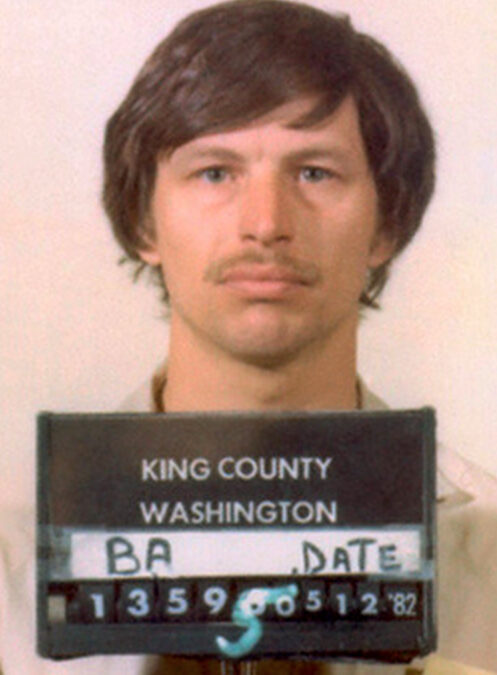
INVESTIGATIVE CASE DOSSIER: THE GREEN RIVER KILLER SOLVED: HOW STR DNA TRAPPED AMERICA’S MOST PROLIFIC SERIAL KILLER GARY RIDGWAY
- Perpetrator: Gary Leon Ridgway (Born February 18, 1949; Truck Painter)
- Criminal Moniker: The Green River Killer
- Confirmed Victims: 49 convicted murders; confessed to over 71 total victims
- Active Period: 1982 – 1998 across King County, Washington
- Breakthrough Method: Short Tandem Repeat (STR) PCR DNA Profiling (Dr. George Sensabaugh)
- Date of Arrest: November 30, 2001 (Renton, Washington)
- Legal Resolution: Guilty plea to 48 counts in 2003 (and 49th count in 2011)
- Sentence: 49 consecutive life sentences without the possibility of parole
During the 1980s, the Pacific Northwest was terrorized by the deadliest serial predator in American history. Dubbed the Green River Killer after his initial victims were pulled from the waters of the Green River in King County, Washington, the perpetrator targeted vulnerable young women along the Pacific Highway South corridor. Despite the largest task force in U.S. history led by Detective Dave Reichert, the killer eluded capture for nearly two decades. In November 2001, advanced STR DNA technology analyzed microscopic saliva swabs collected in 1987, delivering a 1-in-a-quadrillion match that trapped 52-year-old truck painter Gary Leon Ridgway.
The Pacific Northwest Nightmare: 1982–1984
Between 1982 and 1984, dozens of young women and teenagers vanished from the SeaTac strip south of Seattle. Bodies began surfacing along the banks of the Green River, in dense ravines, and near highway access roads. The victims had been manually strangled and posed in remote wooded cluster sites.
The King County Sheriff’s Office formed the dedicated Green River Task Force in 1982, reviewing thousands of tips and interviewing hundreds of suspects. Gary Ridgway, a commercial truck painter at Kenworth Truck Company in Renton, was repeatedly questioned by detectives due to his frequent contacts with sex workers and a previous arrest in 1982.
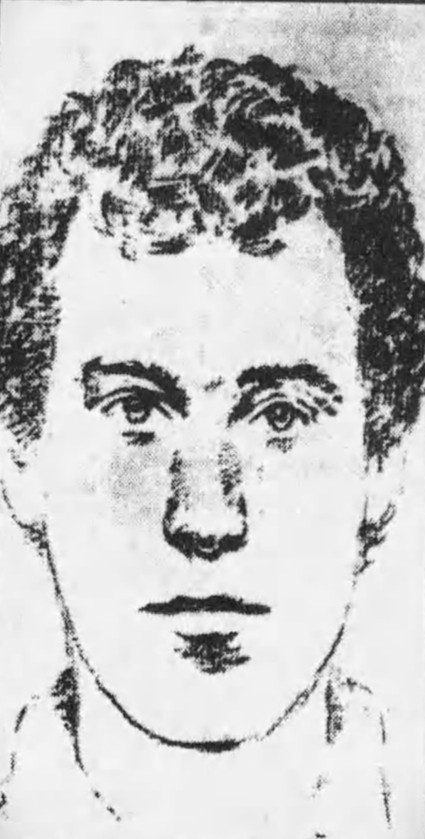
The 1987 Search Warrant and Saliva Swab
In April 1987, detectives obtained a search warrant for Ridgway’s residence, truck, and physical person. Criminalists collected hair samples and took a saliva swab from Ridgway’s mouth. However, forensic DNA typing in 1987 was in its absolute infancy (RFLP testing required large, pristine blood samples), and the saliva sample could not be matched to the minute biological traces recovered from victims.
Ridgway passed a polygraph examination and was released. For the next fourteen years, he lived quietly as a married factory worker in Renton.

The 2001 STR DNA Breakthrough
In March 2001, King County Sheriff Dave Reichert sent preserved semen and tissue samples from victims Marcia Chapman, Cynthia Hinds, and Opal Mills to the Washington State Patrol Crime Laboratory. Criminalists used cutting-edge PCR-based Short Tandem Repeat (STR) technology, which can generate definitive genetic profiles from microscopic trace evidence.
The crime lab successfully extracted a clean male STR DNA profile. When compared against the preserved 1987 saliva swab of Gary Leon Ridgway, the result was conclusive: an exact, undeniable match with a random match probability of less than 1 in 100 trillion.
Arrest, Confession, and 49 Life Sentences
On November 30, 2001, detectives arrested Gary Ridgway as he walked out of the Kenworth truck manufacturing plant in Renton. In 2003, prosecutors struck a comprehensive plea agreement: in exchange for escaping the death penalty, Ridgway agreed to confess to every murder and lead investigators to undiscovered burial sites across Washington and Oregon.
Ridgway guided detectives to numerous skeletal remains and confessed to killing 71 women. On December 18, 2003, Ridgway pleaded guilty to 48 counts of aggravated first-degree murder (adding a 49th count in 2011). He was sentenced to 49 consecutive life terms without parole at the Washington State Penitentiary in Walla Walla.
Explore related landmark forensic breakthroughs and genetic genealogy investigations including the April Tinsley 1988 cold case, the Bear Brook Murders, the Carla Walker Fort Worth cold case, and the 1987 Van Cuylenborg-Cook murders.
The Green River Task Force & Legacy Evidence Collection
Throughout the 1980s, the Green River Task Force in King County, Washington, investigated the serial murders of dozens of women along the Pacific Highway South corridor. In April 1987, King County detectives executed a search warrant against suspect Gary Leon Ridgway, taking physical saliva swabs, hair samples, and executing a polygraph examination. However, 1987 serological testing methods lacked the discriminatory power to link Ridgway definitively to the crime scenes.
Task force evidence custodians meticulously preserved the 1987 biological reference swabs and crime scene physical evidence in secure cold storage vaults for fourteen years.
The 2001 PCR-STR Breakthrough & Historic Plea Agreement
In 2001, King County Sheriff Dave Reichert resubmitted the preserved 1987 saliva swabs and biological evidence from four early victims (Opal Mills, Marcia Chapman, Carol Christensen, and Cynthia Hinds) to the Washington State Patrol Crime Laboratory. Utilizing modern Short Tandem Repeat (STR) PCR amplification technology, forensic scientists generated a definitive match between Ridgway’s saliva and the semen recovered from the victims.
Ridgway was arrested on November 30, 2001. In 2003, Ridgway entered into a comprehensive plea agreement, leading investigators to forty-nine victims’ remains in exchange for being spared the death penalty. He was sentenced to 49 consecutive life terms without the possibility of parole, marking the resolution of the deadliest serial murder investigation in American history.
The Green River Task Force & Modern PCR-STR Validation
The resolution of the Green River serial murders in 2001 demonstrated the power of modern PCR-based STR DNA typing. King County Sheriff Dave Reichert re-tested saliva swabs collected from Gary Ridgway in 1987 against biological evidence from early victims.
The DNA match led to Ridgway’s arrest and subsequent comprehensive plea agreement, in which he led detectives to forty-nine victims’ remains. Ridgway was sentenced to 49 consecutive life terms without parole, solving the deadliest serial murder case in US history.
The King County Task Force & The Largest Serial Homicide Resolution
The conviction of Gary Leon Ridgway in 2003 for forty-nine aggravated first-degree murders represented the largest serial murder clearance in American legal history. King County Sheriff Dave Reichert and the Washington State Patrol Crime Laboratory utilized modern PCR-STR technology to match preserved 1987 saliva swabs against crime scene evidence.
Ridgway’s forty-nine consecutive life sentences without parole ensure he will never leave the Washington State Penitentiary, providing answers to dozens of grieving families.
King County Evidence Vaults & The 1987 Saliva Swabs
King County detectives preserved saliva swabs collected from Gary Ridgway in 1987 for fourteen years. In 2001, modern PCR-STR testing generated an exact match to semen recovered from early Green River victims.
The 49 First-Degree Murder Convictions & Life Without Parole
Ridgway confessed to forty-nine murders, leading detectives to recovery sites across Washington State in exchange for being spared the death penalty. He is serving 49 consecutive life terms without parole.
PCR-STR Amplification & The King County Saliva Evidence
In 2001, King County detectives re-tested saliva swabs collected from Gary Leon Ridgway in 1987 against biological evidence from early Green River victims using modern PCR-STR technology.
The conclusive DNA match led to Ridgway’s arrest and subsequent confession to forty-nine first-degree murders, resulting in forty-nine consecutive life terms without parole at the Washington State Penitentiary.
King County Sheriff’s Office Cold Case Strategy & Saliva Swab Storage
The 2001 PCR-STR breakthrough in the Green River serial murders validated King County’s strict evidence preservation standards. Saliva swabs taken from Gary Ridgway in 1987 were preserved in climate-controlled storage for fourteen years, providing the biological bridge that secured his conviction for forty-nine aggravated homicides.
Washington State Patrol Crime Laboratory Standards
The 2001 PCR-STR breakthrough in the Green River serial murders validated the Washington State Patrol Crime Laboratory’s long-term biological specimen preservation policies, ensuring that historic evidence remains viable for modern scientific evaluation.
King County Major Crimes Task Force Legacy
The multi-decade investigation by the Green River Task Force established modern protocols for multi-jurisdictional evidence sharing, victim identification networks, and biological specimen cold-storage preservation.
Washington State Attorney General Criminal Justice Review
The comprehensive clearance of the Green River serial murders led to the creation of the Washington State Cold Case Task Force within the Attorney General’s Office, dedicated to providing advanced forensic DNA grant funding to county law enforcement agencies statewide.
Case Timeline & Key Forensic Milestones
| Date / Year | Milestone / Event | Forensic Significance |
|---|---|---|
| 1982–1984 | Green River murders peak in King County, WA | Dozens of victims found in river and forest sites |
| April 1987 | Detectives obtain saliva swab from Gary Ridgway | DNA technology at the time unable to process sample |
| March 2001 | Washington State Patrol applies STR PCR DNA testing | Exact match established between 1987 swab and victim evidence |
| Nov 30, 2001 | Gary Ridgway arrested in Renton, WA | Charged with multiple counts of aggravated murder |
| Dec 18, 2003 | Ridgway sentenced to 48 consecutive life terms | Plea agreement saves him from death penalty in exchange for remains |
Frequently Asked Questions (FAQ)
How was the Green River Killer caught after 19 years?
Detectives re-examined a saliva swab collected from suspect Gary Ridgway in 1987 using modern PCR Short Tandem Repeat (STR) DNA testing in 2001, establishing a perfect match to semen found on multiple victims.
How many victims did Gary Ridgway kill?
Ridgway was convicted of 49 aggravated first-degree murders and confessed to killing at least 71 women between 1982 and 1998.
Why wasn’t Gary Ridgway executed?
He entered into a plea agreement in 2003 to disclose the locations of undiscovered bodies and confess to all murders in exchange for life imprisonment without parole.



